




Commentary: A Whirlwind of Last-Minute ELD Preparations
The ELD mandate requiring electronic logging devices to track driver hours goes into effect Dec. 18. Yet a surprising number of fleets have not yet adopted them.


Deborah Lockridge

Deborah Lockridge
The trucking industry has had nearly two years to prepare for the mandate requiring electronic logging devices to track driver hours, which goes into effect Dec. 18. Yet a surprising number of fleets have not yet adopted them.
Morgan Stanley, which has been conducting quarterly ELD surveys of fleets since May 2015, in August reported that nearly 30% of carriers were not yet in full compliance. And 15% of the carriers surveyed did not expect to be fully compliant when Dec. 18 rolls around.
It’s likely some smaller carriers have been waiting in hopes that the Owner-Operator Independent Drivers Association’s quest to derail the mandate (see the latest on page 14) will bear fruit. But not taking action on the electronic logging device mandate because you’re hoping for a last-minute reprieve from the government is a bit like refusing to prepare for a hurricane because you’re hoping for a last-minute change in the storm track.
In fact, given our recent experience with Hurricane Irma, I’d say your chances are better for missing the hurricane.
After the Supreme Court declined to hear OOIDA’s appeal in its case to block ELDs this summer, the association turned to lobbying tactics to try to get Congress to step in. So far, legislation has been proposed but is going nowhere fast.
OOIDA also filed a petition with the Federal Motor Carrier Safety Administration claiming that it wasn’t even legal for many states to enforce the mandate because they needed to incorporate it into state law. But it appears that most of those states have in place laws that make adoption of federal rules for interstate haulers automatic.
When I talked to FMCSA’s chief enforcement guru last month, Joe DeLorenzo, he emphasized that the government is ready and able to start enforcing the new rule.
The Commercial Vehicle Safety Alliance and FMCSA together decided to use a phased-in approach in the first few months, where drivers will not be put out of service if they don’t have an ELD. However, that doesn’t mean there won’t be enforcement of the rule; they can still be cited and fined. Each jurisdiction will decide on its own how strict that initial enforcement will be.
So you’d better be ready.
Still, there are plenty of things about the mandate that could have been done better. There are problematic issues with interoperability affecting rental trucks and drivers who work for more than one carrier. Provisions put in place to address concerns about driver harassment and coercion (the result of an OOIDA lawsuit) are going to cause headaches as drivers and back-office personnel adjust to new procedures. There’s the question of how many devices on the FMCSA’s “self-certification” list actually will be compliant; former FMCSA Administrator Annette Sandberg, now a safety and compliance consultant, contends that the self-certification process has allowed non-compliant devices into the marketplace.
And there’s the concern about whether roadside officials will have in place the eRODS (electronic records of duty status) software that is needed to interpret the data file transfer from ELDs. While FMCSA believes it will have the eRODS program in place before the deadline, even if it’s not, officers can still enforce the rules, because ELDs must be able to print out a paper copy of the log or display it to an enforcement officer on a screen.
“It’s important to remember that the ELD rule is about hours of service compliance,” DeLorenzo told me. And those rules aren’t changing.
No doubt, there will be some storm damage in the ELD transition. But the more prepared you are, the more likely you’ll be to weather the storm.
More Safety & Compliance
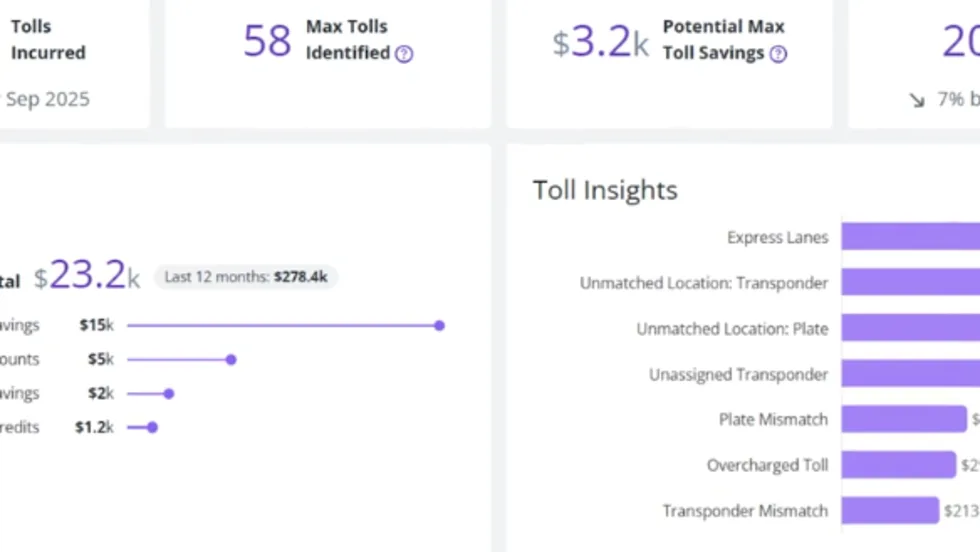
PrePass Intelligence Mines Fleet Bypass, Toll and Safety Data
PrePass Intelligence helps fleets measure bypass savings, flag potential toll overcharges, and spot suspicious transactions by combining data from separate systems.
Read More →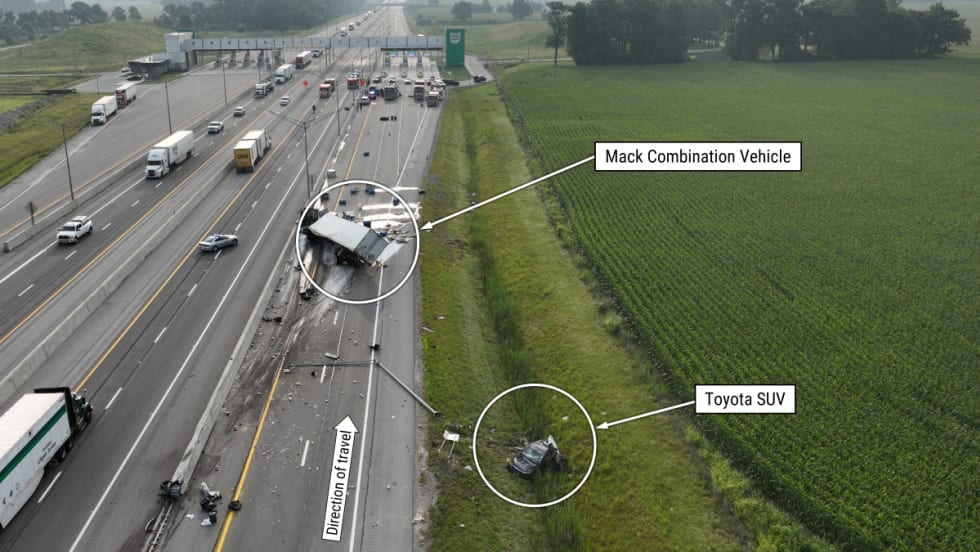
Fatal Crash Exposes Toll Plaza Risks
An NTSB investigation found that last-minute lane changes and large speed differences at an Ohio toll plaza created a hazard the truck driver couldn't avoid in time.
Read More →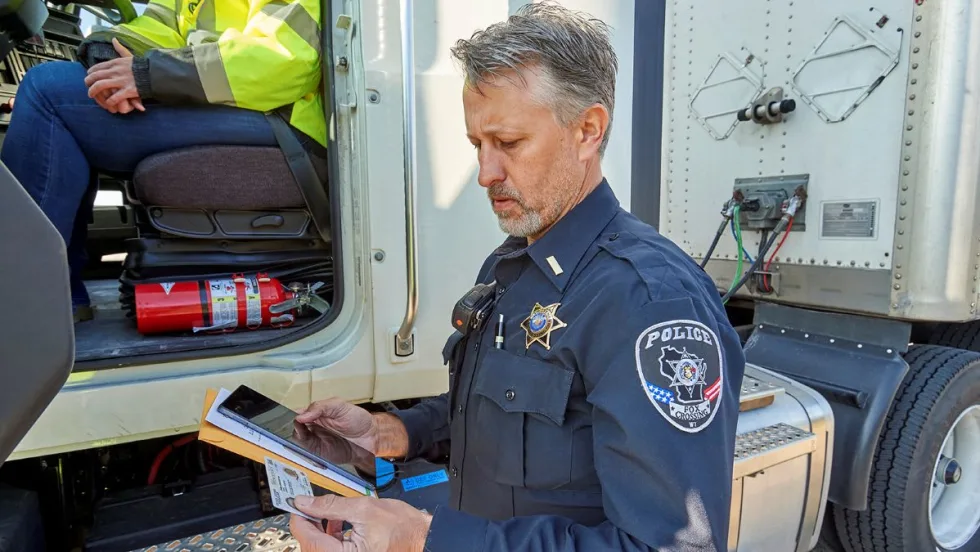
When Language Stops the Truck: The Return of ELP Out-of-Service Orders
English language proficiency rules for commercial drivers aren’t new, but renewed out-of-service enforcement has raised the stakes. Here’s what carriers need to know before a driver reaches a roadside inspection.
Read More →
A Camera Isn't a Safety Program. Here's What Brokers Are Screening for Now
Footage alone may not be enough to pass broker vetting processes. Here's what counts as a defensible safety program now.
Read More →
Marijuana and Trucking’s Drug-Testing Dilemma
Marijuana is getting stronger, laws are changing, and drug tests still can’t reliably establish impairment. What does that mean for truck drivers and the fleets that employ them?
Read More →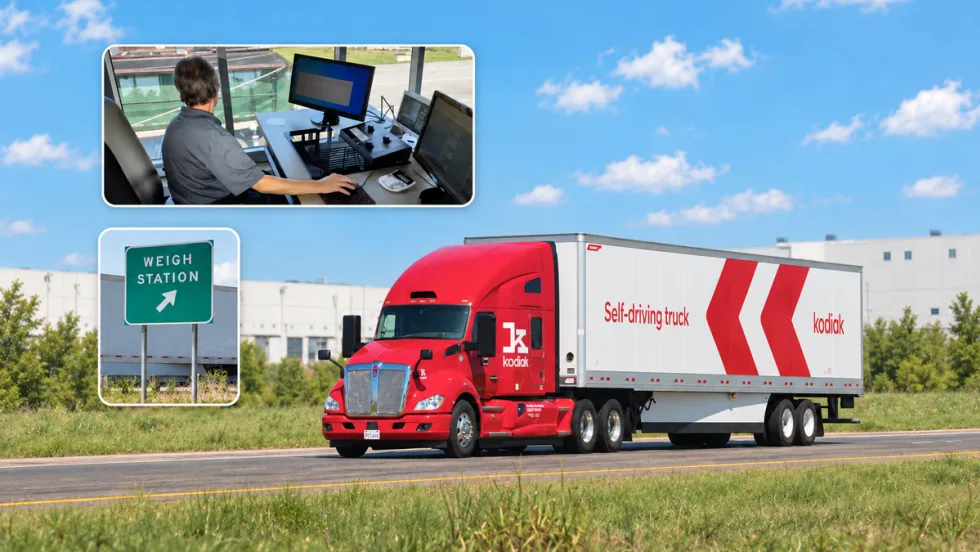
PrePass, Kodiak Connect Driverless Trucks to Roadside Enforcement
The system will allow enforcement agencies to verify Enhanced Inspection information and decide whether Kodiak’s autonomous trucks can bypass roadside screening sites.
Read More →
From One Generation to the Next: How Mentorship Builds Safer Truck Drivers
After three decades in trucking, Harold Perry shares what he's learned about driver safety, mentorship, and helping the next generation build confidence behind the wheel.
Read More →
FMCSA Pauses Biennial-Update Enforcement Amid Motus Transition
Carriers whose updates were due on or after June 1 have more time, while FMCSA works to stabilize its new registration system and warns of phishing sites impersonating its new carrier registration system, Motus.
Read More →
ZF Expands Commercial Vehicle Push in North America
ZF is expanding its North American commercial-vehicle presence with new transmission applications, electrification, trailer technology and autonomous-driving systems.
Read More →
Truck Drivers Need More Than Another Alert
Fleets have more visibility into truck health, safety events, and driver activity than ever. The next challenge is turning all that information into useful guidance for the person who has to decide what to do next.
Read More →