




Commentary: No Free Lunch When It Comes to Parts
If you can’t determine that the part is of good quality, bypassing the low-price product is your only option. Commentary by Executive Contributing Editor Rolf Lockwood.

Rolf Lockwood

Rolf Lockwood
Counterfeit, will-fit, or knockoff truck parts remain a serious issue, and you should be concerned. There’s a difference between those three, but in the end, one old rule applies: You get what you pay for. And when you see a brake drum or a trailer light or even a wheel fastener that’s cheaper than normal, cheaper than it ought to be, your too-good-to-be-true antennae should be picking up a signal.
Some cheaper parts, usually made offshore in places like India and China, might well be worth your money, but this is definitely buyer-beware territory. And an out-and-out counterfeit is potentially a source of real woe, not to mention the illegal side of it that robs the legitimate manufacturer of rightful profit and can mar its good name.
If you’re doubting me here, just think about this: Hundreds of people have been killed over the years in air crashes blamed not on storms or terrorists but on “unapproved parts.” The Federal Aviation Administration keeps track of such things, of course, and as of a few years back it blamed nearly 200 airplane accidents on poor-quality counterfeit or knockoff parts that just weren’t up to the manufacturer’s design criteria.
The problem was big enough that the FAA established the “Suspected Unapproved Parts Program Office” to deal with the issue.
I know of one truck maker caught in this way, having bought wheel fasteners from a cheaper-than-normal source for use on its assembly line. The wheel nuts in question had been correctly marked, but metallurgically they were not what they pretended to be. They’d been bought offshore, in good faith of course, but the quality was sufficiently low that they caused a wreck and killed a four-wheeler in the process.
I happened to be in the plant manager’s office when he took the call, informing him of the crash investigator’s conclusions blaming the fasteners. He was devastated, nearly brought to tears. Innocent, but oh so guilty.
If it can happen to a major truck maker with a big purchasing department, the individual truck owner is even more easily caught out this way.
To define things a little better, a “counterfeit” part is exactly what the word implies — it’s a part made and packaged to look exactly like the real thing. Sometimes they’re very hard to tell from the actual OEM component because the box has been printed as an exact replica and the part number is correct. The piece itself may be hard to distinguish as a copy even if you look at it side by side with the real thing. In some cases only a metallurgical test would divulge the counterfeit’s real nature.
Your only defense is to deal with reputable suppliers who, we hope, have done their own homework. And, again, to distrust anything that sounds too good to be true. There simply ain’t no free lunch.
A will-fit, perhaps better called a knockoff, will not pretend to be anything but a cheaper version of the original, but it may claim to be just as good. Almost inevitably, it isn’t. Nowhere is this more troublesome than with brake system components, precisely where you can’t afford mistakes with poorly manufactured parts.
Obviously, you owe it to yourself — and everyone around your trucks on the road — to buy carefully.
More Safety & Compliance

133 ELDs Revoked as ATA Pushes Certification Reform
FMCSA just removed a record number of electronic logging devices from its registry. ATA says it's time to rethink how ELDs get approved in the first place.
Read More →
CVSA Sets 2027 International Roadcheck Dates
The annual 72-hour truck inspection blitz will take place May 11–13 across North America. Here's what fleets can expect and what inspectors found during the 2026 event.
Read More →
FMCSA’s New Complaint Platform Makes It Easier to Report Trucking Safety Concerns
The FMCSA Complaint Center features expanded complaint categories and a name change away from the word "consumer."
Read More →
FDA Eases Path for Oral-Fluid Testing
Federal actions could advance oral-fluid drug testing for truck drivers, but lab certification delays and marijuana rescheduling questions remain.
Read More →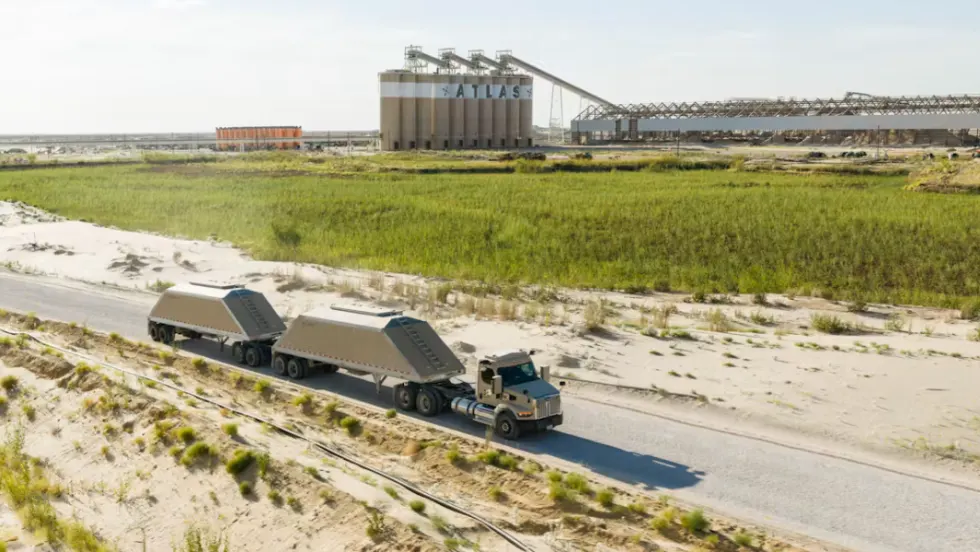
Kodiak Lines Up Fleets for Driverless Trucking
An agreement for 75 trucks, a new Texas freight lane, and progress on safety validation move Kodiak closer to its planned driverless highway launch.
Read More →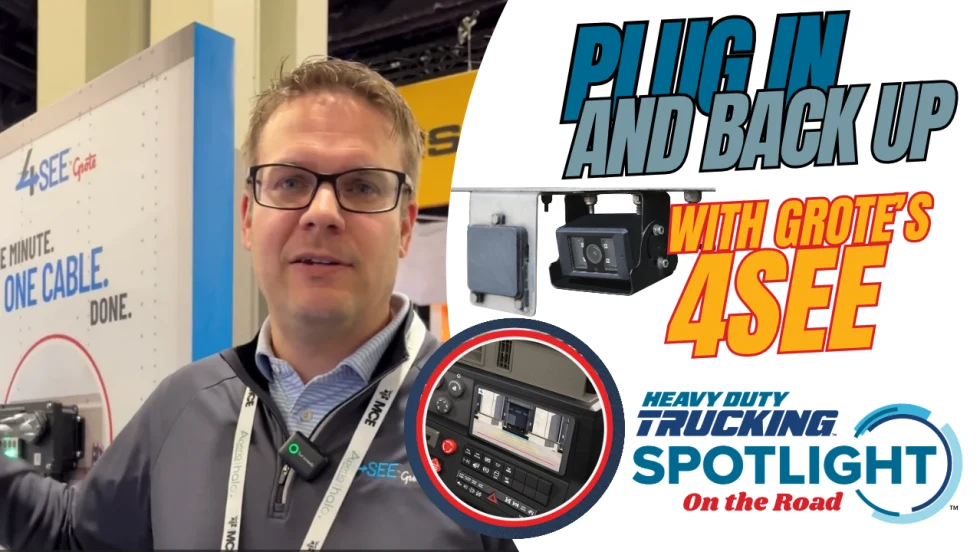
More Trailer Data Through the Same Seven-Way [Video]
Can trucking’s standard seven-way connector handle more cameras and trailer data? Grote’s Adam Slade shows HDT how the company is using new technology with its 4See trailer system, not only to add a new backup camera but also to expand other capabilities — without adding another connection.
Read More →
PrePass Intelligence Mines Fleet Bypass, Toll and Safety Data
PrePass Intelligence helps fleets measure bypass savings, flag potential toll overcharges, and spot suspicious transactions by combining data from separate systems.
Read More →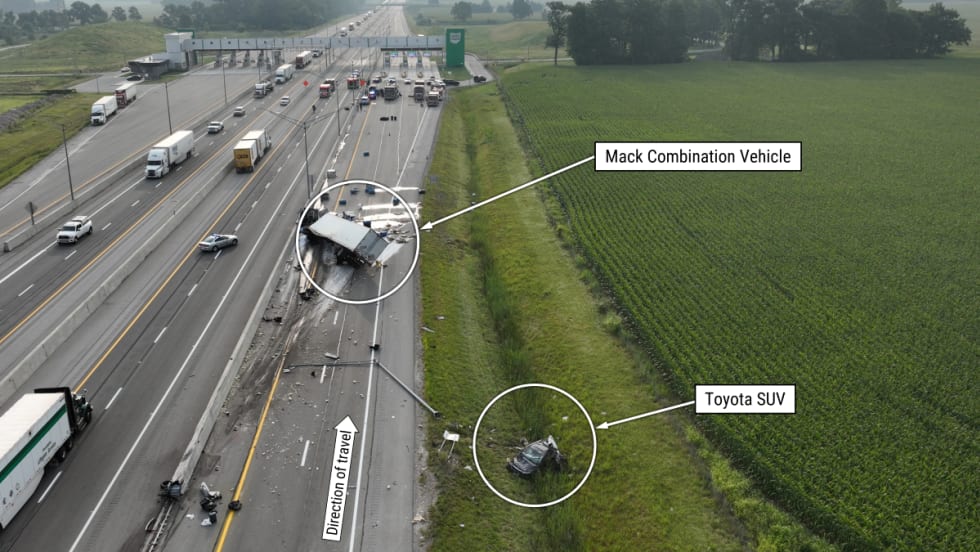
Fatal Crash Exposes Toll Plaza Risks
An NTSB investigation found that last-minute lane changes and large speed differences at an Ohio toll plaza created a hazard the truck driver couldn't avoid in time.
Read More →
When Language Stops the Truck: The Return of ELP Out-of-Service Orders
English language proficiency rules for commercial drivers aren’t new, but renewed out-of-service enforcement has raised the stakes. Here’s what carriers need to know before a driver reaches a roadside inspection.
Read More →
Marijuana and Trucking’s Drug-Testing Dilemma
Marijuana is getting stronger, laws are changing, and drug tests still can’t reliably establish impairment. What does that mean for truck drivers and the fleets that employ them?
Read More →