





Related: MiX Telematics Offers ELD Platform for Hazmat Fleets
Video-Based Safety Systems: Worth A Closer Look?
Fleets may be wise to check out the latest technological advances in video-based driver safety systems.
January 20, 2017
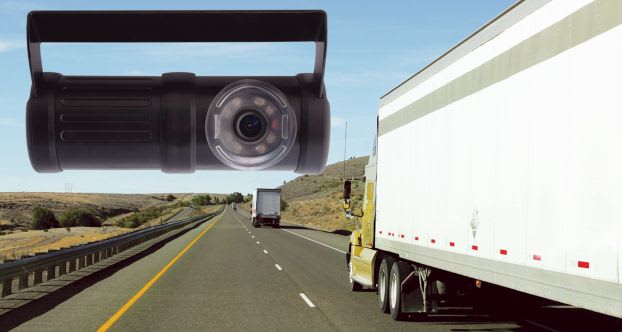
Camera-based safety systems offer monitoring, analytical and training benefits, say providers. Photo: MiX Telematics
5 min to read
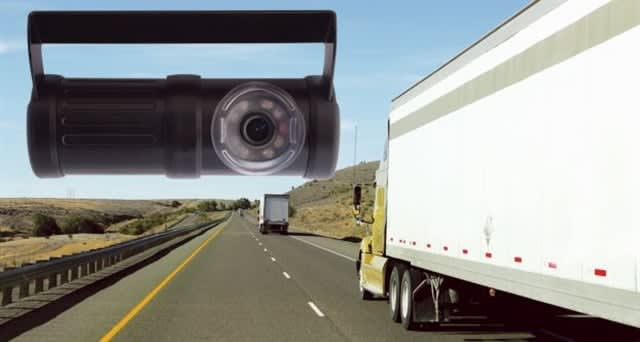
Camera-based safety systems offer monitoring, analytical and training benefits, say providers. Photo: MiX Telematics
Fleets are still not making much use of video recorder-based systems that aim both to monitor and improve at-the-wheel safety performance of truck drivers. The current penetration of such technology is “superficial at best,” according to Mike Nalepka, CEO of VideoProtects.com, a consultancy that focuses on such technologies, in a speech at October’s Bobit Business Media Fleet Technology Expo.
“Our estimates suggest only about 6% of fleets have fully integrated video cameras and recording systems into their safety infrastructure management systems,” he said. “That means 94% of fleets are not there at all or are just starting to investigate the possibilities. They are kicking the tires, doing their due diligence, talking to other carriers and trying to determine where the value lies.”
Providers of camera-based systems point to how the monitoring and analytical capabilities of their systems can be leveraged to address issues of concern raised about specific driver behaviors and to more effectively provide remedial training and “coaching” very soon after a recorded safety event. The aim is to address and correct bad habits to help drivers operate more safely over the long term through real-world lessons starring themselves.
Many providers recently announced improvements, including new technological advances they say further enhance the business case for adopting video recorder-based systems. New providers have entered the marketplace as well.
The latest release of SmartDrive’s video-based analytics platform and safety program includes new capabilities for capturing and delivering videos, improving the video-coaching process and driver-performance analytics as well as custom policy configurations.
According to the company, the enhancements “target high-priority areas for fleets and deliver on top requests from existing customers, providing new levels of productivity and protection with an even faster ROI.” The system improvements include a range of features that provide for extended recording, enhanced workflow for driver coaching, and mobile video on-demand access.
SmartDrive says accessing its system’s new capabilities does not require a costly “rip and replace” of existing hardware and back-end systems. Instead, the platform’s open, extensible architecture makes all the enhancements available to customers “within their existing solution footprint.”
MiX Telematics offers its MiX Vision in-cab video monitoring system as an integrated solution with its onboard computer and web-based fleet management platform. It maintains a rolling 72 hours of footage for a vehicle and automatically adds links to video clips within driver-safety scoring reports. The company says the system helps fleets assess incidents with drivers as well as identify drivers who may need additional coaching and training. MiX Vision includes front-facing and cab-facing video with sound that allows for “visual clarity” at the time of an event.
Video segments related to any in-cab event are automatically added to “Red, Amber and Green” reports, which highlight driving events that affect safety and efficiency. The data is also used to implement more targeted driver training programs.
The new Critical Event Video is an integrated in-cab video solution that ties into Omnitracs’ Critical Event Reporting as well as its electronic logging feature to help protect driver privacy. Omnitracs says CEV can improve driver training and mitigate liability risks associated with accidents and other critical events, such as hard braking, hard stops, loss of stability control and improper following distances.
The system integration matches front-facing and optional driver-facing video with data on hard braking, speeding, stability control, following time and collision warning/mitigation, as well as information about the time and location of the event and the truck’s actual speed.
Omnitracs says the CEV solution easily captures high-quality video that can be reviewed within minutes of the triggered event. With DVR functionality, customers can also request video for specific dates and times to provide insights into driver behavior and assist during investigations into incidents that may have occurred without triggering a critical event. Additionally, prequel and sequel features add clips before and after to build a complete timeline of a critical event, “creating a comprehensive view of cause and liability.”
Lytx has introduced the Unisyn, a video telematics platform that features always-on access to up to seven days of cloud-connected video. Users can access, review and manage video either in real time or at a later date.
The video telematics platform works with Lytx’s existing DriveCam video-based safety system. DriveCam and Unisyn are designed to complement each other, using DriveCam’s exception-based video to help prevent collisions through programmatic coaching and Unisyn’s always-on video to track, monitor and act on fleet and field operations.
The captured video and corresponding telematics data can be accessed from the cloud in real time or on demand from most cloud-connected devices, including iOS and Android mobile devices. A combination of hardware and wireless network technology allows the Unisyn platform to integrate and synchronize high-definition video from one or more camera angles and options.
Startup Netradyne has entered the market with what it calls Driver-i, a system company officials say uses artificial intelligence to analyze the data coming in through its patent-pending four-camera system to provide near-real-time information on what drivers are doing wrong – and what they’re doing right.
The company says the platform was developed to capture every moment and aspect of the driving experience, rather than a small sample of time. Driver-i’s artificial intelligence uses “deep learning,” the approach to AI that most closely mimics the way the human brain processes visual imagery, according to Netradyne.
The platform’s safety management center is intuitive, full featured and provides near-real time crowd sourcing of driver and vehicle safety event data, says the company, enabling trend analysis and business intelligence with triggers for organization-wide work flow.
Driver-i’s proprietary GreenZone Driver Score gives fleets the ability to see how drivers are tracking against team safety programs and goals. Netradyne says this view offers visibility into positive driving activity, events that were caused by third parties, and notification of at-risk conditions, allowing the fleet manager to step in before those events become severe.
Subscribe to Our Newsletter
More Safety & Compliance

FMCSA Pauses Biennial-Update Enforcement Amid Motus Transition
Carriers whose updates were due on or after June 1 have more time, while FMCSA works to stabilize its new registration system and warns of phishing sites impersonating its new carrier registration system, Motus.
Read More →
ZF Expands Commercial Vehicle Push in North America
ZF is expanding its North American commercial-vehicle presence with new transmission applications, electrification, trailer technology and autonomous-driving systems.
Read More →
Truck Drivers Need More Than Another Alert
Fleets have more visibility into truck health, safety events, and driver activity than ever. The next challenge is turning all that information into useful guidance for the person who has to decide what to do next.
Read More →
Tesla Wants a Self-Driving Semi. Are Cameras Enough?
Could Tesla’s camera-only autonomous driving technology work on an 80,000-pound Semi? In this commentary, HDT's Deborah Lockridge takes a look at Tesla, Cybercab, and how autonomous trucks see the road.
Read More →
What DOT’s Automated Vehicle Strategy Means for Trucking
The U.S. Department of Transportation issued a new automated-vehicle strategy that outlines plans for driverless-truck regulations, cross-state freight corridors, and federal safety standards.
Read More →
NYC Expands Speed, Pedestrian Safety Tech Across Fleet
New York City is expanding intelligent speed assistance and pedestrian-alert systems across its municipal fleet, moving the technologies from pilot programs into vehicle procurement and retrofit requirements.
Read More →
FMCSA Removes 110 Truck Driver Training Schools from Certified ELDT List
Federal regulators also are targeting more than 160 additional training providers and launching a nationwide audit of third-party CDL skills testers as part of a broader crackdown on trucking fraud.
Read More →
Beyond DOT Compliance: What Makes a Trucking Fleet Truly Safe?
A trucking fleet can follow every rule and still make unsafe decisions. The real test comes when safety conflicts with freight, productivity, or cost.
Read More →
Hours of Service Pilot Programs: FMCSA Readies for 2027 Rollout
Two pilot programs could eventually reshape hours-of-service rules, giving truck drivers options to pause their 14-hour clock or use longer split sleeper rest periods.
Read More →
New Guide Offers Pet Safety Tips for Truck Drivers
Hundreds of thousands of pets travel in truck cabs. A new safety guide from Volvo Trucks and the Center for Pet Safety offers practical advice for truck drivers who bring dogs and cats along for the ride.
Read More →