




The Pounding of All the Rules
The compounding effect of several new safety regulations in the next few years could have more of a negative impact on industry capacity than the individual regulations themselves.


Annette Sandberg Photo: TransSafe Consulting
It won’t so much be a single new safety regulation headed trucking’s way over the next two years that will negatively impact industry capacity, according to Annette Sandberg, CEO of TransSafe Consulting LLC and a former administrator of the Federal Motor Carrier Safety Administration.
What will dent capacity is the “compounding effect” of having so many rules to carry out “pounding the smaller carrier’s ability to comply,” she said Tuesday during a live-feed online conference hosted by research and forecasting firm FTR.
“This year into early next year, FMCSA will be working to complete several key regulations,” Sandberg pointed out, with “the Obama administration having nothing to lose by pushing regulations to the end of the line as the president’s term concludes.”
Sandberg said that among the most critical actions in the works are:
The rulemaking on minimum insurance levels for motor carriers and a separate one that could prevent carriers from self-insuring.
The rule on speed limiters, which she expects will be out this summer.
The electronic logging device (ELD) mandate as well as a rule against coercing drivers regarding electronic logs, which she said will both come out in September. Sandberg noted that the anti-coercion measure will also apply to shippers and brokers; however for them the rule will be enforced by OSHA.
As Sandberg sees it, despite the ELD rule being a “game-changer” in terms of increasing safety compliance, what remains is “the open question as to whether any litigation [initiated after the rule is released] will be resolved or dismissed by the agency before the two-year period ends before implementation begins.”
In her estimation, once they are implemented the ELD and minimum-insurance rules will have the most impact on smaller motor carriers.
“Carriers that have implemented electronic logs [by then] won’t be the problem,” Sandberg said. “But any carrier [stands to] lose 10 percent or more of their drivers when they convert.
"I would suspect some of those drivers will completely exit the business, especially older ones, and that will only exacerbate the shortage [for the industry]," she continued. "And some smaller carriers may exit, too, or be purchased by larger carriers that can make the conversion [easily].”
As for increasing the insurance minimum, Sandberg said that’s being watched closely as “it will take out a lot of the smaller carriers that cannot afford the higher rates. The larger carriers already have that coverage.”
Sandberg also observed that as surface-transportation reauthorization proceeds on Capitol Hill, “Members of Congress are signaling to FMCSA that they are concerned about the CSA program and its data.”
She explained that their concern is focused on the Safety Fitness Determination in terms of “how a rating can be created if the underlying system has problems [with its data].”
More Safety & Compliance

PrePass Intelligence Mines Fleet Bypass, Toll and Safety Data
PrePass Intelligence helps fleets measure bypass savings, flag potential toll overcharges, and spot suspicious transactions by combining data from separate systems.
Read More →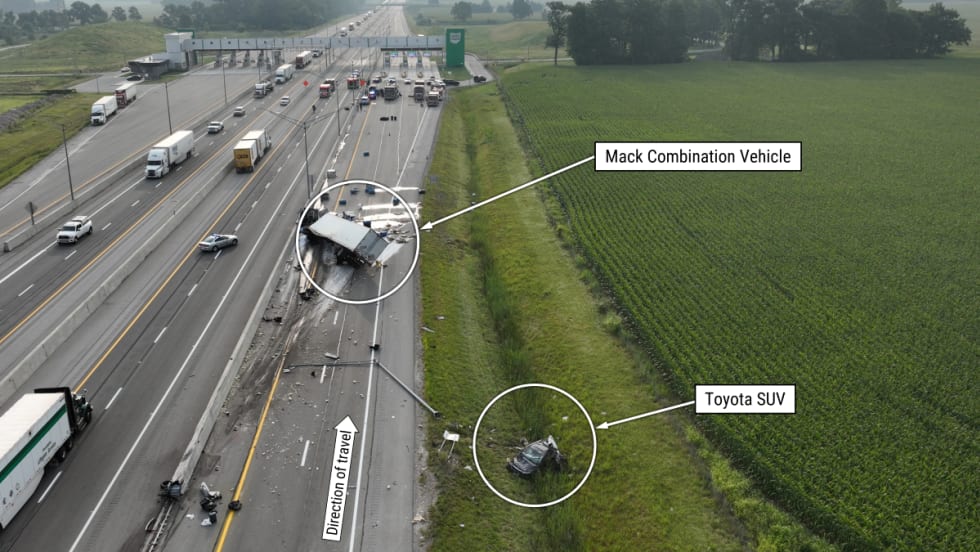
Fatal Crash Exposes Toll Plaza Risks
An NTSB investigation found that last-minute lane changes and large speed differences at an Ohio toll plaza created a hazard the truck driver couldn't avoid in time.
Read More →
When Language Stops the Truck: The Return of ELP Out-of-Service Orders
English language proficiency rules for commercial drivers aren’t new, but renewed out-of-service enforcement has raised the stakes. Here’s what carriers need to know before a driver reaches a roadside inspection.
Read More →

A Camera Isn't a Safety Program. Here's What Brokers Are Screening for Now
Footage alone may not be enough to pass broker vetting processes. Here's what counts as a defensible safety program now.
Read More →
Marijuana and Trucking’s Drug-Testing Dilemma
Marijuana is getting stronger, laws are changing, and drug tests still can’t reliably establish impairment. What does that mean for truck drivers and the fleets that employ them?
Read More →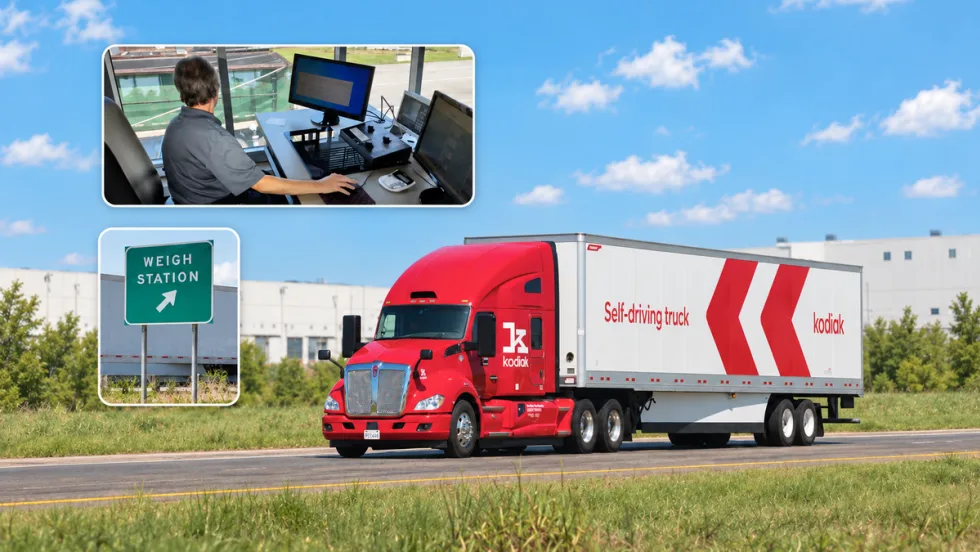
PrePass, Kodiak Connect Driverless Trucks to Roadside Enforcement
The system will allow enforcement agencies to verify Enhanced Inspection information and decide whether Kodiak’s autonomous trucks can bypass roadside screening sites.
Read More →
From One Generation to the Next: How Mentorship Builds Safer Truck Drivers
After three decades in trucking, Harold Perry shares what he's learned about driver safety, mentorship, and helping the next generation build confidence behind the wheel.
Read More →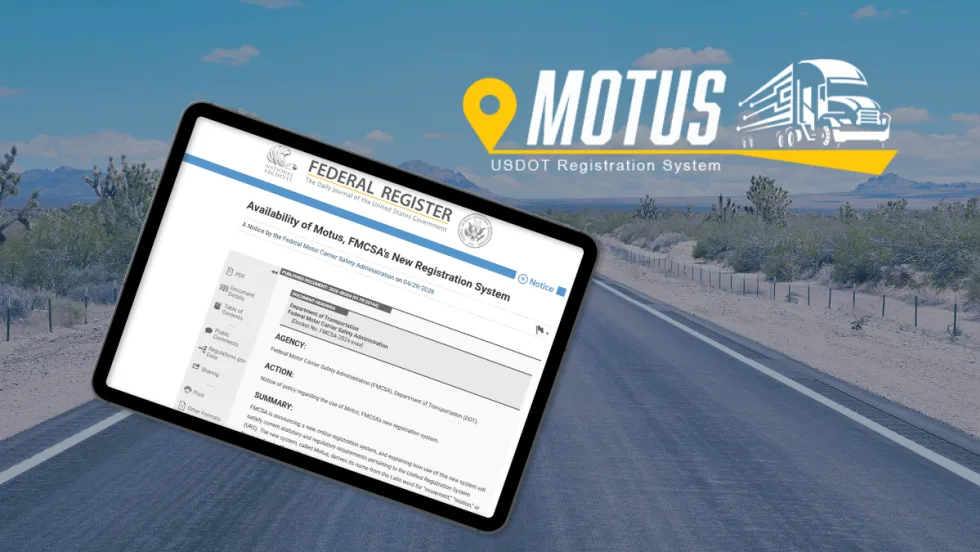
FMCSA Pauses Biennial-Update Enforcement Amid Motus Transition
Carriers whose updates were due on or after June 1 have more time, while FMCSA works to stabilize its new registration system and warns of phishing sites impersonating its new carrier registration system, Motus.
Read More →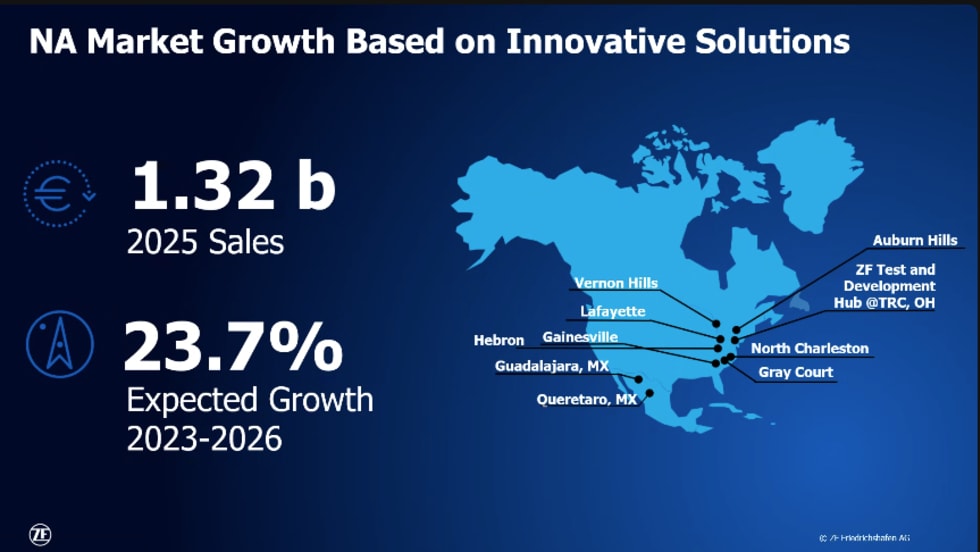
ZF Expands Commercial Vehicle Push in North America
ZF is expanding its North American commercial-vehicle presence with new transmission applications, electrification, trailer technology and autonomous-driving systems.
Read More →
Truck Drivers Need More Than Another Alert
Fleets have more visibility into truck health, safety events, and driver activity than ever. The next challenge is turning all that information into useful guidance for the person who has to decide what to do next.
Read More →