




Cargo Theft Trends and How to Keep Cargo Safe
Cargo theft has impacted nearly every industry, from paper products to televisions
Cargo theft has impacted nearly every industry, from paper products to televisions.
Experts estimate that worldwide cargo and equipment theft costs $30 billion to $50 billion annually. Security is a necessity today; with the nation on heightened alert, the transportation and air cargo industries must be prepared.
By its very nature, the transportation and air cargo industries place goods in a more vulnerable environment than when they are at a shipper's or receiver's facility. It's not like having your goods in a warehouse; you cannot post a security guard, install lights or a closed circuit TV or build a fence around your freight. Today many security conscious companies have taken steps to combat theft of their equipment and products.
The Targets
Although there are some trends in what type of commodities are stolen, theft has affected nearly every type of product from toilet paper to pharmaceuticals.
Here are the cargo categories of note:
* Food and food products
* Consumer electronics
* Metals
* Apparel (including footwear and accessories)
* Pharmaceuticals and over-the-counter medications
* Computers and related equipment
* Wine, spirits and beer
* Building materials
* Appliances
* Tires
* Cellular phones
* Auto parts
Theft Trends
Some of the traditional days and times of losses occur during the traditional weekend, Friday through Sunday. Holiday weekends tend to have a higher rate of theft due to facilities sometimes being "dark" for a longer period with limited personnel.
Geographic area also has a lot to do with theft and the likelihood of an event occurring. The 13 most prominent areas, accounting for 80% of the losses, are:
* California
* Florida
* Canada
* Texas
* Georgia
* Tennessee
* New Jersey
* Pennsylvania
* Ohio
* Maryland
* Arkansas
* Illinois
* New York
Most cargo thefts occur when the truck and cargo are stopped in an unsecured location. A good rule is, "freight at rest is freight at risk."
Typical areas for these types of theft include truckstops, unsecured drop yards and restaurant/shopping center parking lots. Terminals and distribution center yards are now becoming popular places as well, illustrating a need for security within these areas.
All stakeholders that bear the burden of cargo should be involved in the security process as much as they can, as they all share in the monetary loss should a load go missing. At minimum, remember that high-security trailer locks prevent theft.
Shippers need to take care in selecting their transportation partners. Shippers should also consider the implications of supply chain/logistics decisions. Requesting specific delivery times narrows down the options available to the trucking company and driver. If you want a relatively local shipment to arrive at a specific destination early in
the morning, this will cause a driver to pick up the load the previous day in order to make the narrow appointment window.
Law Enforcement
It is important for companies to familiarize themselves with local and national law enforcement agencies. Taking the time to meet these agencies, specifically the personnel involved with investigating cargo theft, is important for recovery of your products and assets.
There are several task forces in Illinois, Georgia, Florida, California, Memphis and Texas that focus on cargo theft crimes. Networking with these groups is important, as they receive intelligence every day on stolen loads, and can assist in finding them if they are reported in a timely fashion.
Security of products is every company's responsibility. There are many measures they can take to secure their freight whether they are shipping by land, sea or air. Knowing that cargo theft is a real problem in the supply chain is the first step. Combating the problem with security solutions, intel, law enforcement involvement and analytics is the next step.
Nick Erdmann is business development manager for Transport Security, which has been providing high-security cargo solutions for the supply chain for over 30 years.
More Safety & Compliance
How Waste Connections is Using Data, Telematics, and AI
How do you manage and maintain more than 18,000 connected trucks? Data. Lots of it.
Read More →
Fleet Advantage: Top Logistics Fleets Outperform National Safety Benchmarks
Fleet Advantage's latest TRUST Safety Index found leading logistics fleets maintained significantly lower out-of-service rates and stronger safety scores than national averages, while highlighting persistent challenges related to tires, brakes, and unsafe driving behaviors.
Read More →
Why Fleet Data Matters More Than Ever at Waste Connections [Watch]
Waste Connections' Chuck Palmer explains how telematics, predictive maintenance, safety analytics, and AI help keep vehicles on the road and drivers safe in this episode of HDT Talks Trucking.
Read More →
Short Takes: How K&B is Using AI
Fleets need to "get on board the train" with AI, says Lance Evans of K&B Transportation in this HDT Talks Trucking Short Takes episode.
Read More →
Short Takes: Inside K&B’s Truck Safety Tech
Listen to learn how K&B Transportation uses cellphone-blocking technology, speed management systems, weather geofencing, bridge avoidance tools, and more to improve driver safety.
Read More →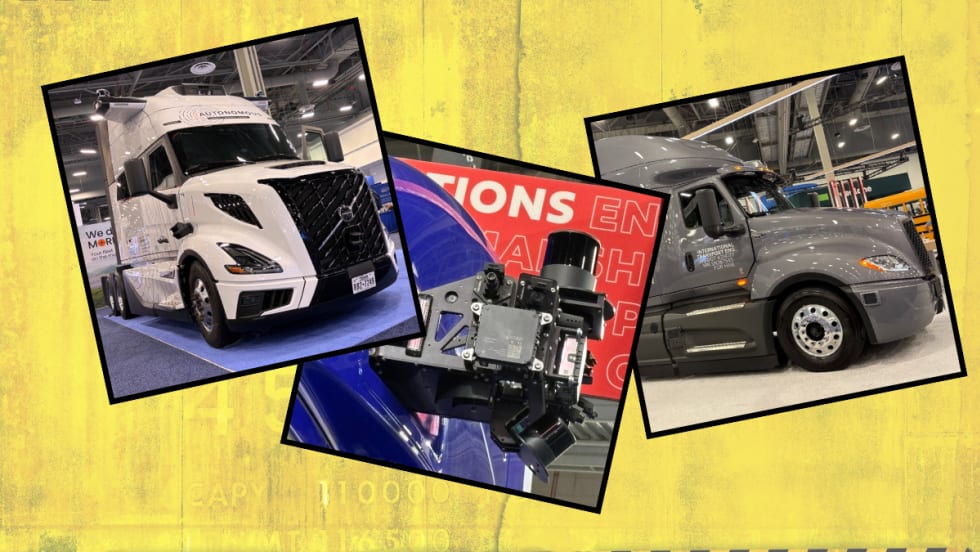
The Biggest Gap in Driverless Trucking Isn’t Tech. It’s Safety Validation
Nauto’s Stefan Heck says autonomous trucks are advancing quickly but proving they’re safe enough for large-scale deployment may be the industry’s hardest challenge.
Read More →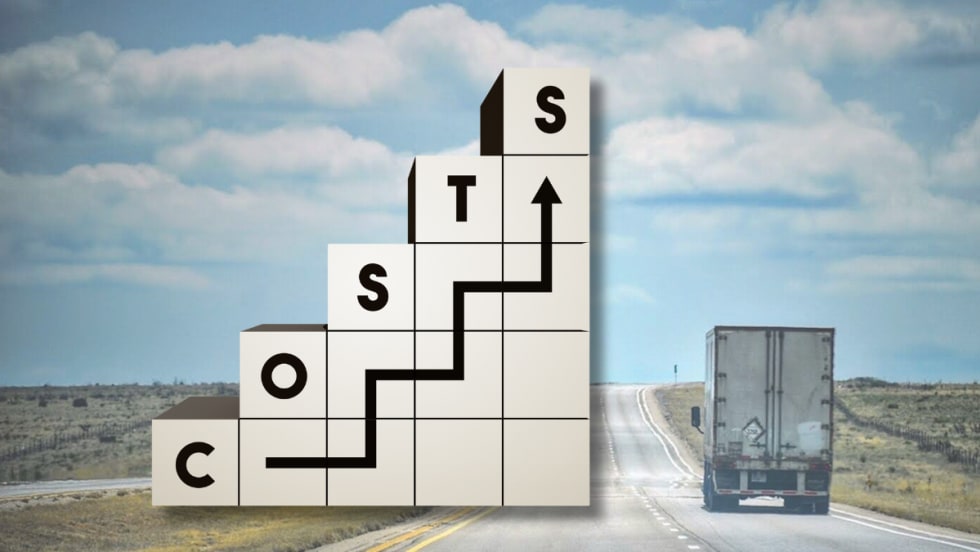
Truck Crash Rates Are Down. So Why Do Insurance Costs Keep Rising?
ATRI’s latest research points to litigation, social inflation, and soaring claims costs as key drivers behind record-high liability premiums for trucking fleets. But there are things motor carriers can do.
Read More →
FMCSA Removes More Than a Dozen ELDs from Registered List
The FMCSA continues its efforts to fight electronic logging devices that don't meet federal requirements, removing more than a dozen from the registered ELD list in May.
Read More →
How the Supreme Court Broker Liability Ruling Could Reshape Trucking’s Safety Landscape
The Supreme Court’s May 11 broker-liability ruling may not radically rewrite transportation law overnight. But industry experts say it will intensify pressure on brokers, carriers, and shippers to prove they are prioritizing safety.
Read More →
Recall of Fontaine Fusion Flatbeds Warns Owners Not to Use the Trailers
Some Fontaine Fusion flatbed trailer manufactured between February 2025, and March 2026 could have mainbeams weakened by hydrogen embrittlement because of a problem in the galvanizing process.
Read More →