




Natural Gas Expected To Grow Despite Diesel Price Drop
Looking at the most likely adoption curve, ACT believes Class 8 penetration is expected to total 23% of the units sold in 2025.
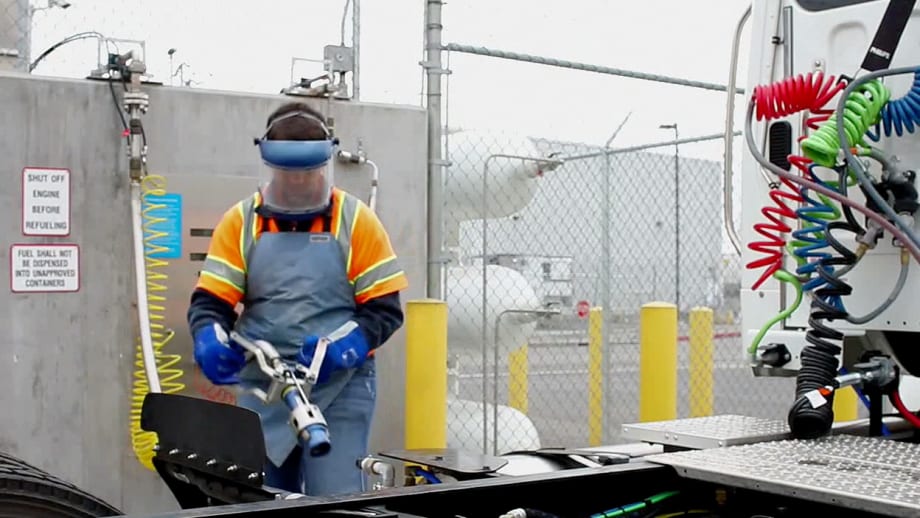
Fueling a natural gas powered heavy truck.
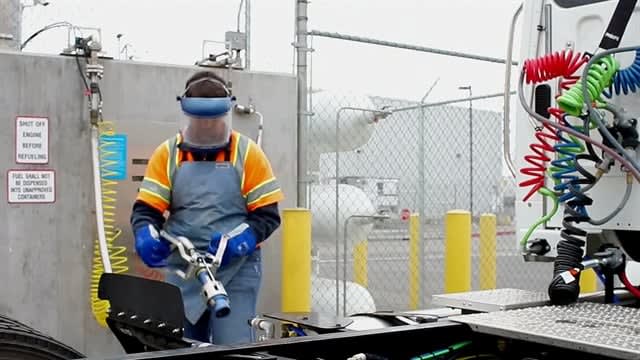
Fueling a natural gas powered heavy truck.
With the natural gas powered vehicle market seemingly stalled as diesel fuel prices have fallen much of the year the trucking industry research firm ACT Research has released the results of its updated findings on U.S. natural gas transportation fuel trends in the heavy duty truck market.
The report entitled, “NG Reality Check: Moving from Infancy to Adolescence,” is a comprehensive, forward-looking long-term analysis on the use of natural gas as fuel in the U.S. heavy Class 8 truck transportation sector, according to the firm.
ACT published its first comprehensive natural gas study in 2012. It was more bullish than this latest report, said ACT, reflecting the enthusiasm of the moment that included planned market and product development that has been slow to materialize with a narrowing fuel price spread and improving diesel engine fuel economy gains.
“The previous long-term penetration over-statement does not mean natural gas has not grown. It has and will continue to grow, but at a slower rate the next few years.” said Ken Vieth, ACT Research senior partner and general manager. “Natural gas Class 8 truck/transit bus penetration was 3% in 2013 and should reach 4% in 2014, or about 11,000 units.”
Looking at the most likely adoption curve, ACT believes Class 8 penetration is expected to total 23% of the units sold in 2025. If the total new U.S. Class 8 truck/transit bus market is 200,000 units that year, then the natural gas market would be 46,000 units.
“That’s a large quantity that will be shared by those with an understanding of tomorrow’s truck transportation needs and plans to get there,” said Veith, “Depending upon the emissions and greenhouse gas needs of the nation and the regulations put in place in coming years to achieve those needs, Natural gas penetration could even be higher since natural gas is equally available and is a cleaner, cheaper fuel than diesel.”
The report provides forecasts, insights and supporting analysis on major trends already taking place such as:
Natural gas engine technologies,
Natural gas fuel preference,
Infrastructure design, from fuel only to full service and fuels,
Emerging infrastructure investors and early natural gas adopters,
Return-on-investment adjustments as fuel cost spreads and up-charges change,
Miles per gallon versus cost per mile and
Shipper-trucker relationships from contracts to diesel fuel surcharges to going green and more.
More information about the report, including details on obtaining a copy, is on the ACT Research website.
More Fuel Smarts

Record Diesel Prices Squeeze Trucking Fleets
Average U.S. diesel prices have climbed to nearly $6 a gallon, surpassing the 2022 record as tight refinery capacity and Middle East disruptions keep fuel costs elevated.
Read More →
How Fuel Delivery Shapes Engine Performance
Fuel delivery depends on more than what happens at the injector. For fleet, maintenance and technical professionals, looking at the full path from pump to injector can provide useful context for understanding engine performance.
Read More →
East Coast Port Launches $45M Electric Truck Push
The Port Authority of New York and New Jersey announced millions in incentives for zero-emission drayage trucks, yard tractors, and new charging hubs near the port.
Read More →

California Bill Could Shed Light on Electric Truck Prices
Why do battery-electric Class 8 trucks remain so expensive? A California bill headed to Gov. Gavin Newsom would give fleets and state agencies more visibility into what manufacturers charge.
Read More →
Detroit Opens Orders for EPA 2027 Engines
Detroit isn’t starting from scratch to meet EPA 2027 diesel emissions standards. Its Gen 6 DD13 and DD15 engines keep much of today’s platform while updating the fuel and aftertreatment systems.
Read More →
Zero-Emission Truck Corridor Planned for West Coast
California, Oregon, Washington, British Columbia and Baja California are coordinating plans for truck charging and hydrogen fueling from Canada to Mexico.
Read More →
A Closer Look at Kenworth’s Electric T880E Vocational Truck [Video]
Learn more about Kenworth's T880E battery-electric vocational truck at the Paccar Technical Center, including its range, applications, upfitting considerations, and PTO options, in this HDT Spotlight video.
Read More →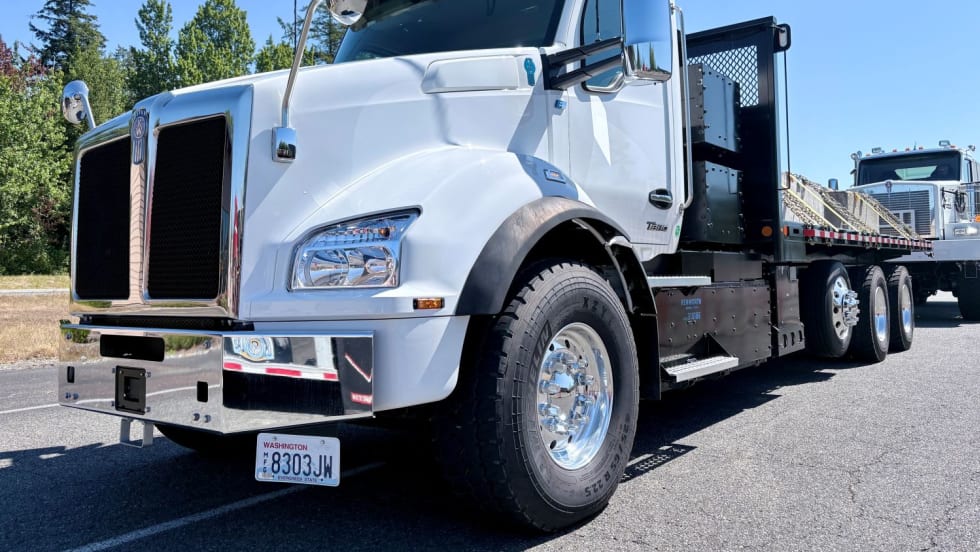
Kenworth T880E Brings EV Power to Vocational Trucks
A closer look at the Kenworth T880E’s range, charging, powertrain and upfit options — and where fleets are showing the most interest.
Read More →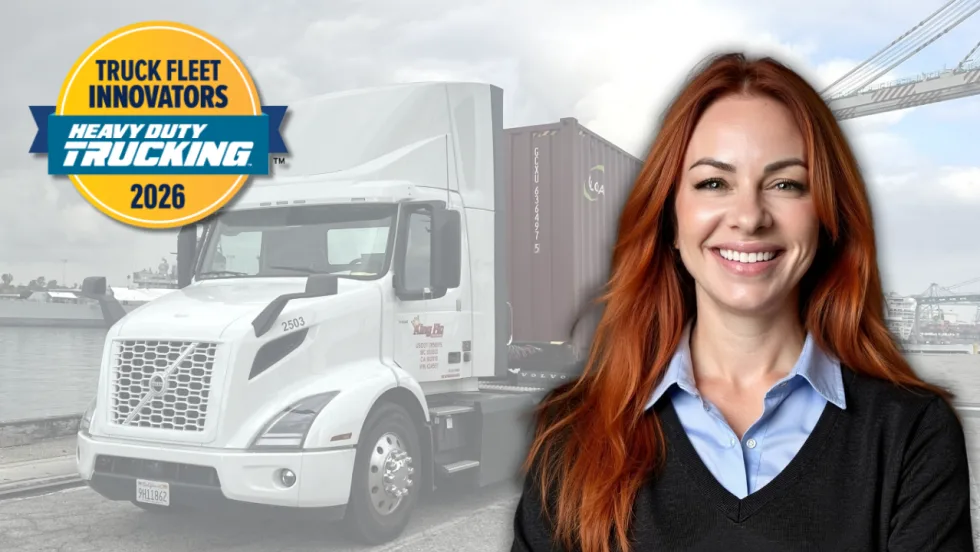
Jennie Abarca Is Proving Electric Trucks Can Do the Job
HDT Truck Fleet Innovator Jennie Abarca is building confidence in fleet electrification one load at a time while openly sharing the challenges she encounters along the way as a small-fleet owner.
Read More →
Cummins Adjusts 2027 Engine Rollout After EPA Proposal
The engine maker will gradually introduce its new Model Year 2027 diesel engines while continuing to offer current models during the transition, citing the EPA's proposed emissions rule changes.
Read More →