




TMC Partners With FleetNet America on Maintenance Benchmarking Service
American Trucking Associations’ Technology & Maintenance Council and FleetNet America are partnering on a new maintenance benchmarking program for fleets to compare operations to their peers.
March 5, 2018

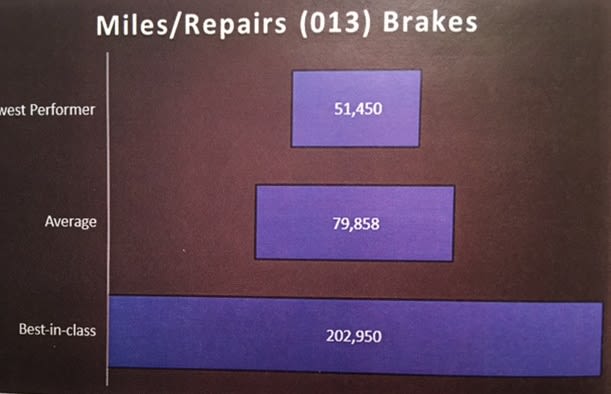
The TMC/FleetNet Vertical Benchmarking Program will allow motor carriers and other types of fleets to compare their unscheduled roadside repairs with those of comparable fleets through an online dashboard. Photo: Jim Park
3 min to read

Maintenance-centric fleets now have a new benchmarking program form which they can compare their operations to other peer-grouped fleets. American Trucking Associations’ Technology & Maintenance Council and FleetNet America are partnering on the new program, announced at the TMC annual meeting and Technology Exhibit in Atlanta.
The TMC/FleetNet Vertical Benchmarking Program will allow motor carriers and other types of fleets to compare their unscheduled roadside repairs with those of comparable fleets through an online dashboard. By tracking what systems are failing and comparing that to similar fleets, the study will help fleets better understand the effectiveness of their overall maintenance operation.
"Roadside breakdowns are a good indicator of what's going wrong in the shop," says Jim Buell, executive vice president of sales and marketing for FleetNet. "This benchmarking exercise is a not only a great way to see how your maintenance program stacks up against your peers, but it provides a clearer view of your own situation."
By participating in peer-to-peer benchmarking, companies can quickly identify areas that are most likely to drive down maintenance costs. Participants will receive access to an analytic tool that compares the miles their fleet runs between breakdowns to similar fleets at other companies. The analytic tool will be updated quarterly so fleets can review their progress against industry peers.
Buell provided some examples of data collected in the October to December 2017 where a select group of truckload fleets shared aggregated data on unscheduled roadside repairs through a common data warehouse using VMRS codes. Data collected was broken down by miles run between breakdowns and miles run between repairs in several categories including tires, lighting, brakes, towing and cold weather.
The data revealed some huge difference in performance between the lowest and the best performing fleets. For example:
Miles between unscheduled tire repairs
Lowest performer: 34,438
Average fleet: 35,166
Best in class: 71,238
Miles between unscheduled lighting repairs
Lowest performer: 49,654
Average fleet: 69,010
Best in class: 198,528
Clearly there's something the best in class fleets are doing that the average fleets could learn from.
“Our analysis indicates that most fleets are experiencing more unscheduled roadside repairs than they should,” said Buell. “Using data from the TMC/FleetNet vertical benchmarking program will help fleets pinpoint opportunities to improve. This will help them reduce costs, improve their customer service and improve efficiency.”
The "lite" version of the report on the previous quarter's performance is available to all TMC members, while the full report is available only to participants on the benchmarking group.
“The TMC/FleetNet Vertical Benchmarking Program is an exciting new benefit for TMC fleet members,” said Robert Braswell, TMC executive director. “All TMC fleet executive level members will receive quarterly benchmarking reports – generated from program data – by virtue of the Council membership. Fleet members whose companies contribute data to the program will also get the added value of access to the program’s online analytic dashboard which features more in-depth reporting tools. The more you put in, the more you get out."
The program will be discussed during TMC’s 2018 Annual Meeting & Transportation Technology Exhibition at the S.5 Fleet Maintenance Management Study Group Session entitled, “The Application of VMRS to Big Data Benchmarking and How It Helps Fleets,” to be held 2:30 p.m. on March 6.
The program is a strategic collaboration between TMC/ATA and FleetNet America and is open to TMC fleet executive level members and FleetNet America customers. The analytics provided via the program will be cumulative and non-fleet specific. For information about the TMC/FleetNet Vertical Benchmarking Program, visit http://benchmarkit.fleetnetamerica.com.
More Maintenance
Will API PC-12 Oil Change Trucking Fleet Maintenance?
The new API PC-12 heavy-duty engine oil category reflects the changing demands of modern diesel engines. But fleets like Foodliner are looking to getting their own data before making decisions on adopting the new oils and questions such as extending oil drain intervals.
Read More →
Brake Safety Week to Focus on Drums and Rotors
Commercial vehicle inspectors will be focusing on brakes during CVSA's Brake Safety Week, August 23-29.
Read More →
Possible Battery-Cable Fires Prompt Recall of 15,000+ International MV and HV Trucks
On the recalled vehicles, manufacturing variations can cause the battery interconnect cable to contact the auxiliary stud and hold down the bracket.
Read More →
Rush, MCT Team Up to Grow Refrigeration Service Network
The joint venture will operate MCT's network of Carrier Transicold dealerships and mobile service locations, with the companies promising greater service capacity and uptime for refrigerated fleets.
Read More →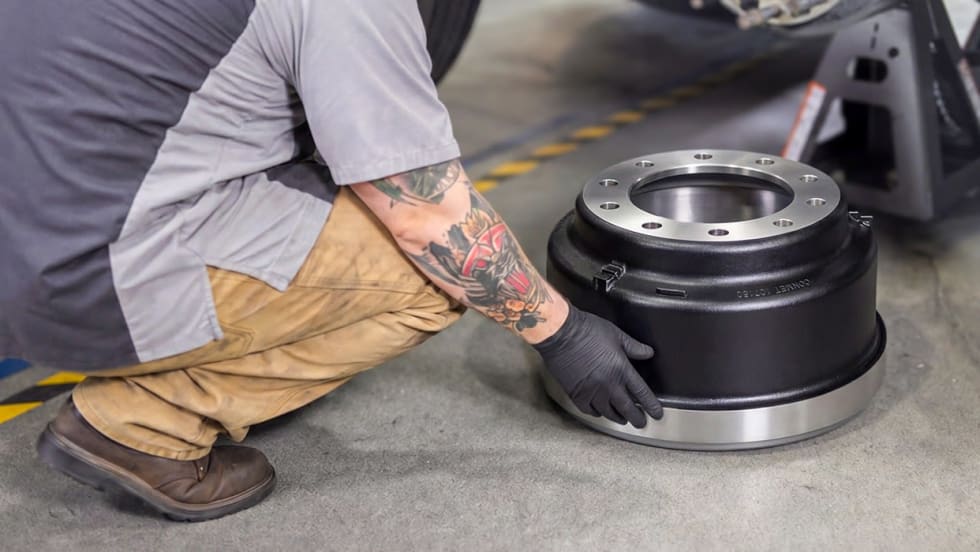
ConMet Expands Aftermarket Brake Drum Lineup With TruCast
A new heavy-duty truck brake drum option in the aftermarket gives customers more flexibility within the ConMet product family.
Read More →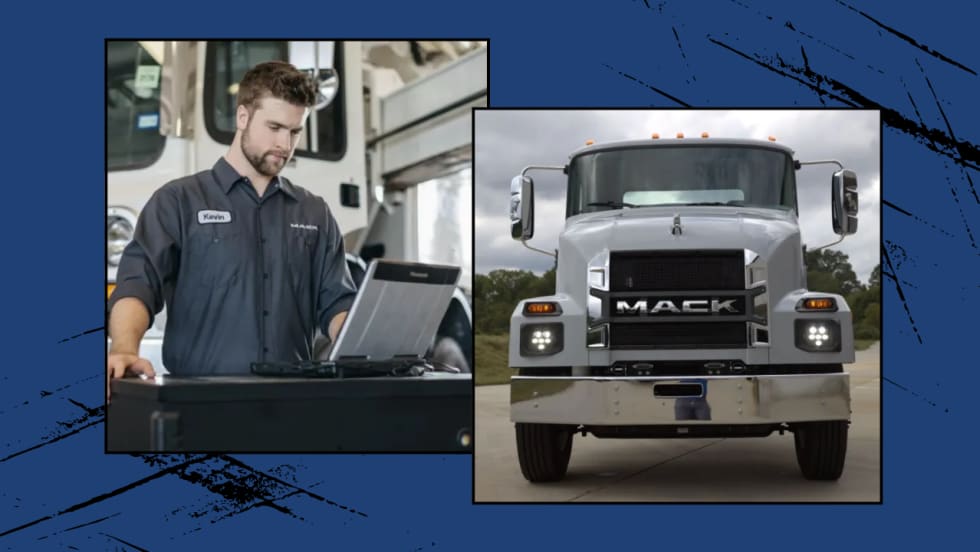
Mack Expands Premium Service Contract Coverage to Medium-Duty MD
With a service contract, inspections, preventive maintenance and repairs can be handled in a single visit instead of multiple ones.
Read More →
Maintenance in the Messy Middle Part 5: Battery-Electric Trucks
No oil changes. No diesel exhaust fluid. No exhaust aftertreatment. But NACFE battery-electric trucks still require specialized maintenance procedures.
Read More →
Trucking Fleets Faced Record Operating Costs During Third Year of Freight Recession
ATRI's annual operational cost report shows carriers trimmed fleets, delayed equipment purchases, and ran older trucks as expenses continued to outpace freight rates.
Read More →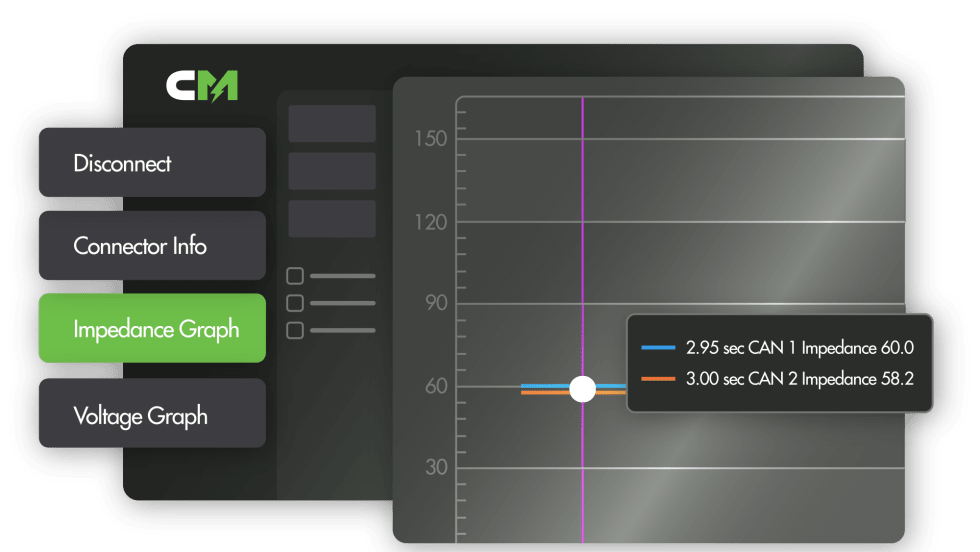
Noregon Launches CAN Mentor to Simplify Vehicle Network Diagnostics
New Noregon software helps technicians identify CAN network issues without requiring advanced diagnostic equipment or specialized training.
Read More →
Maintenance in the Messy Middle Part 4: Renewable Natural Gas
The keys to running renewable natural gas as a fleet fuel depend on specialized technician training, rigorous inspection schedules and an understanding of high-pressure fuel systems.
Read More →