




Related: Freightliner Shows Detroit DD8 Engine in a Heavy Vocational Truck
Freightliner Offers Cascadia Detroit Connect Remote Updates
Detroit Connect Remote Updates is now available exclusively for the new Freightliner Cascadia spec’ed with Detroit engines.
by Staff
February 14, 2018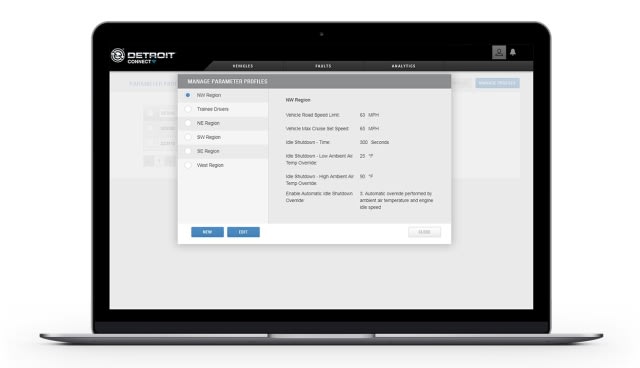
Remote Updates is enabled by the Detroit Connect platform and is part of the Detroit Connect suite of connected vehicle services, which also includes Detroit Connect Virtual Technician and Detroit Connect Analytics. (Image courtesy of Daimler Trucks North America)
2 min to read
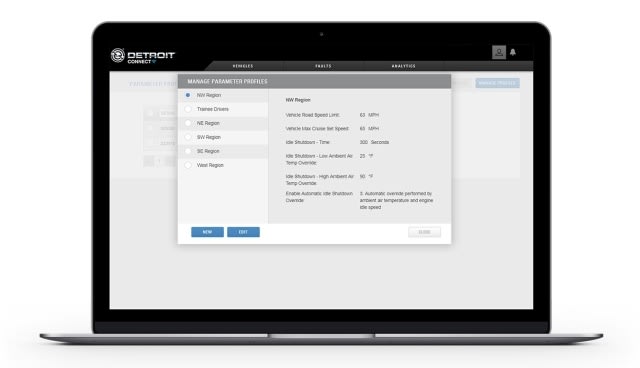
Remote Updates is enabled by the Detroit Connect platform and is part of the Detroit Connect suite of connected vehicle services, which also includes Detroit Connect Virtual Technician and Detroit Connect Analytics. (Image courtesy of Daimler Trucks North America)
Detroit Connect Remote Updates is now available exclusively for the new Freightliner Cascadia spec’ed with Detroit engines.
With Remote Updates, fleets can now make over-the-air engine parameter changes on one or more trucks and download Detroit Diesel Electronic Control (DDEC) reports without having to physically touch the vehicle. Remote Updates can be easily implemented remotely via the Detroit Connect portal, ultimately leading to improved uptime.
“Our goal is to help trucks stay on the road and out of the repair shop. Customers don’t need to call us to make updates; our Remote Updates service is cellular-based, so parameter changes, DDEC downloads, and the forthcoming powertrain firmware updates can be made securely via the Detroit Connect portal, anywhere, at any time so long as there is a cellular connection,” said Jason Krajewski, director of connectivity, Daimler Trucks North America. “We are putting control directly into our customers’ hands so they have the tools they need to be as productive as possible.”
Remote Updates allow customers to make changes to parameters on the new Cascadia, specifically road speed, cruise speed, idle shutdown by time and idle shutdown by temperature. It also provides access to DDEC reports, which offer key metrics on driver behavior and vehicle performance. It provides insights on fuel economy, time spent in top gear, time spent in cruise control and more.
Remote Updates is enabled by the Detroit Connect platform and is part of the Detroit Connect suite of connected vehicle services, which also includes Detroit Connect Virtual Technician and Detroit Connect Analytics.
All Detroit Connect services are accessible via the Detroit Connect portal. Through the portal, fleet managers can access vehicle fault event and performance data to further deepen their knowledge about their overall fleet health.
More Maintenance
Mack Expands Extended Coverage With Four Chassis System Plans
Mack Trucks' new system-specific coverage options allow heavy-duty fleets to select protection for driveline, cab, HVAC, electronics, and advanced safety components.
Read More →
What an Out-of-Service Order Really Costs, and How to Plan for One
The repair invoice is the first number you see — and often one of the smallest. Here’s what else an out-of-service order can cost a fleet, and how planning can reduce the damage.
Read More →
International Launches Online Truck Parts Store
Fleetrite.com lets fleets and repair shops find OEM and all-makes parts, check prices and availability, and order without calling a parts counter.
Read More →
Continental Introduces New Regional Truck Tires
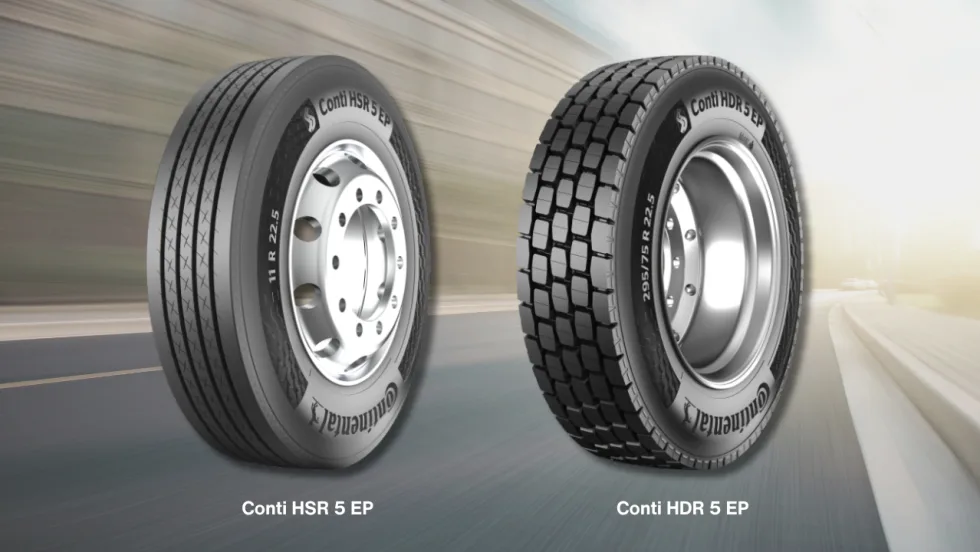
Continental says its new Generation 5 steer and drive tires for regional operations offer longer tread life, with estimated mileage gains of 22% and 19%, respectively.
Read More →
Sponsored•October 1, 2026
How AI Can Help Your Techs’ Efficiency
The technician shortage isn't going away, and no single fix can close the gap on its own. Trent Broberg makes the case that AI's real job in the shop is protecting the billable hours and job satisfaction of the techs you already have, not asking them to work faster.
Read More →
Wrong Repair Prompts Recall of Freightliner, Western Star 4x2 Trucks
DTNA is recalling more than 2,400 trucks that received an incompatible software fix instead of the hardware repair required to address brake valve corrosion.
Read More →
Truck Drivers Need More Than Another Alert
Fleets have more visibility into truck health, safety events, and driver activity than ever. The next challenge is turning all that information into useful guidance for the person who has to decide what to do next.
Read More →
The Maintenance Checks Trucking Fleets Should Prioritize Before Fall Freight Picks Up
Making it through August isn’t the same as being ready for the next several months of operation. Find out what systems may have suffered from summer heat and need to be checked out before fall.
Read More →
What Three Fleets Are Doing Differently When Buying Truck Parts in 2026
With freight improving but costs still climbing, fleet maintenance executives explain how they're balancing price, quality, and supplier relationships.
Read More →
Paccar Recalls 2027 Trucks Built This Summer for Possible Electrical Problem
The nearly 6,000 Kenworth and Peterbilt trucks in the recall could potentially lose engine power, among other things.
Read More →