Related from the HDT archives:
Frustrated Customers Sue Cat Over Acert Failures (2010)
Some Cleaner Diesels Unreliable, Expensive, Say Fleet Execs in TMC 'Report Card’ (2012)
 MENU
MENU SEARCH
Caterpillar has reached a settlement in a class action lawsuit over allegedly defective ACERT EPA 2007-compliant engines, with owners of these engines eligible to receive $500 to $10,000 per engine.
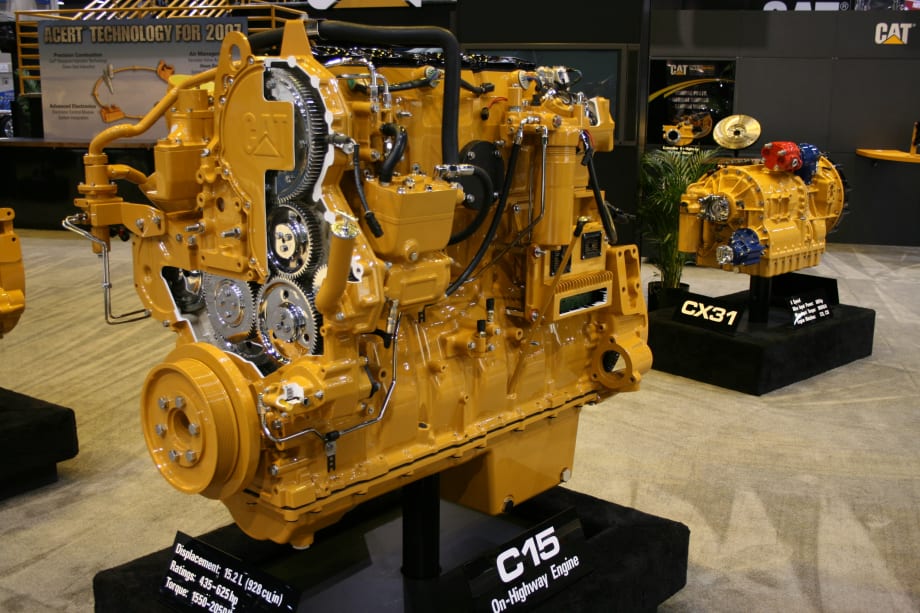
Caterpillar touted its unique ACERT technology as the answer to EPA 2007 emissions regs. HDT file photo by STF
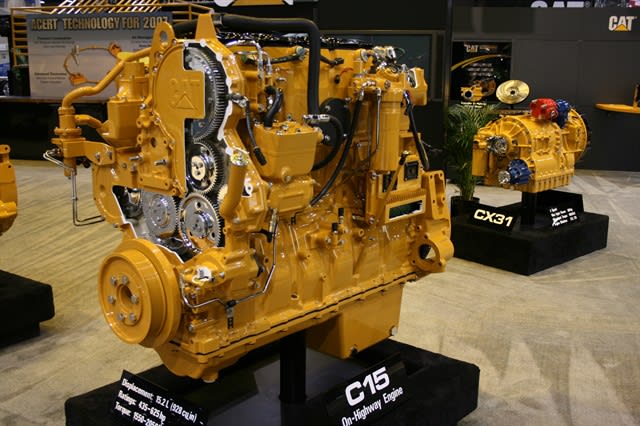
Caterpillar touted its unique ACERT technology as the answer to EPA 2007 emissions regs.HDT file photo by STF
Caterpillar has reached a settlement in a class action lawsuit over allegedly defective ACERT EPA 2007-compliant heavy-duty diesel engines, with owners of affected engines eligible to receive $500 to $10,000 per engine.
The class action suit was a consolidation of a number of other lawsuits against the company, which exited the on-highway engine business in 2009.
Customers alleged in the suit that Cat’s EPA 2007-compliant C13 and C15 engines (manufactured in 2006, 2007, 2008 and 2009) would lose horsepower and shut down.
The engines were branded ACERT, for Advanced Combustion Emissions Reduction Technology. The settlement announcement refers to the problem technology as the CAT Regeneration System (CRS).
The aftertreatment equipment was unique in that its exhaust-gas recirculation (EGR) system piped cleansed gas back to the inlet system to keep intake air clean. EGR cools combustion temperatures to reduce production of nitrogen oxide, a smog causer.
But the system, and its series-turbochargers and other devices, proved troublesome, said fleet managers in this case as well as in numerous sessions at meetings of the American Trucking Associations Technology & Maintenance Council.
Caterpillar denies the allegations but has said that to litigate the case further "would be risky and costly for both sides.”
"Caterpillar … endorses the settlement class as a realistic resolution of this class action," the company said in its motion for court approval of the settlement.
"Given the uncertainties and costs of continuing litigation, the proposed settlement is the best way to end the uncertainty and delay, and most importantly, will ensure fair compensation to Caterpillar customers who may not have received expected value from their product."
The settlement includes U.S. original purchasers or original lessees, subsequent purchasers or subsequent lessees of a vehicle powered by one of the affected engines. It establishes a $60 million settlement fund. All class members who submit a valid claim will be eligible to receive a pro rata share of the fund according to the following guidelines:
A. Class members who experienced no CRS related repairs are eligible to receive (but not guaranteed) $500 for each engine.
B. Class members who experienced one to five qualified CRS related repairs are eligible to receive (but not guaranteed) $5,000 per engine.
C. Class members who experienced six or more qualified CRS related repairs are eligible to receive (but not guaranteed) $10,000 per engine.
Instead of seeking a payment as set forth in B. or C. above, each eligible class member that experienced at least one CRS related repair has the option to seek to claim losses up to a maximum of $15,000, experienced as a consequence of qualified CRS related repairs. These losses can include, but aren't limited to, towing charges, rental charges, and hotel charges. Those pursuing this option are not eligible to seek payment under A, B, or C.
Payments to eligible claimants may be adjusted pro rata (up or down) depending on the number of eligible claims filed and the total amount of the settlement fund available to pay claims.
Mack Trucks' new system-specific coverage options allow heavy-duty fleets to select protection for driveline, cab, HVAC, electronics, and advanced safety components.
Read More →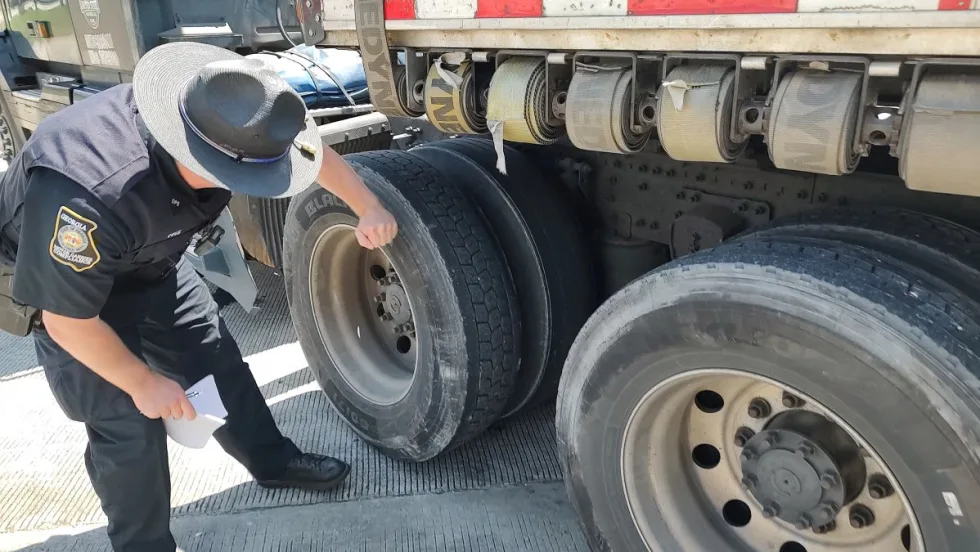
The repair invoice is the first number you see — and often one of the smallest. Here’s what else an out-of-service order can cost a fleet, and how planning can reduce the damage.
Read More →
Fleetrite.com lets fleets and repair shops find OEM and all-makes parts, check prices and availability, and order without calling a parts counter.
Read More →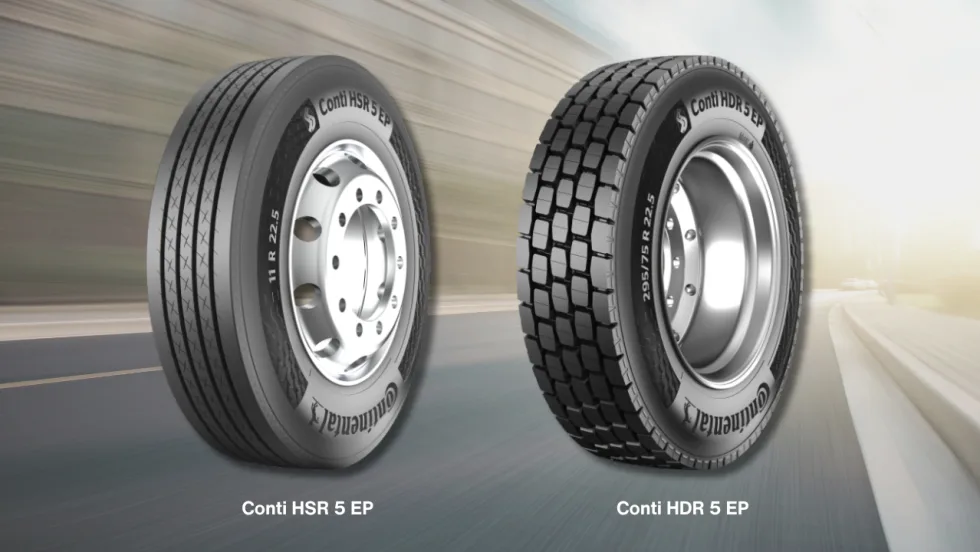
Continental says its new Generation 5 steer and drive tires for regional operations offer longer tread life, with estimated mileage gains of 22% and 19%, respectively.
Read More →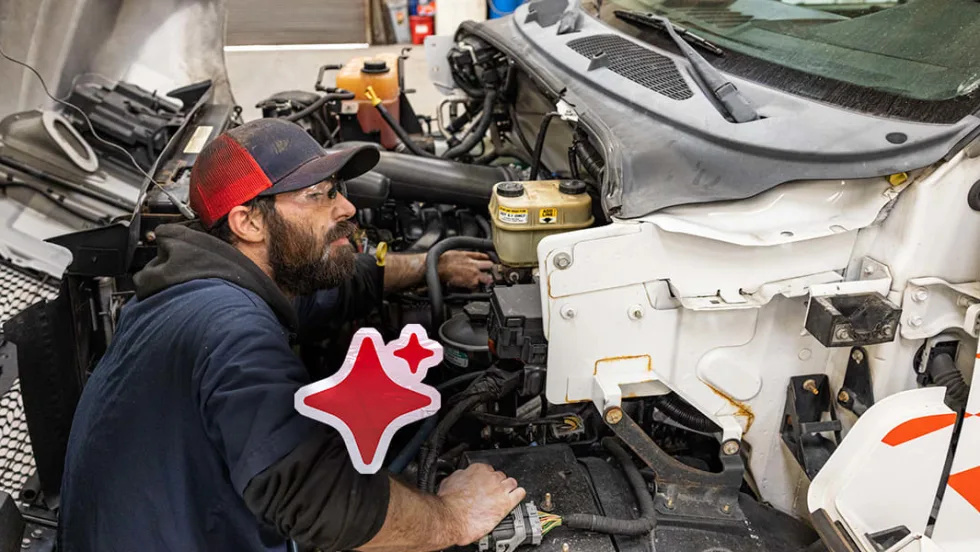
The technician shortage isn't going away, and no single fix can close the gap on its own. Trent Broberg makes the case that AI's real job in the shop is protecting the billable hours and job satisfaction of the techs you already have, not asking them to work faster.
Read More →
DTNA is recalling more than 2,400 trucks that received an incompatible software fix instead of the hardware repair required to address brake valve corrosion.
Read More →
Fleets have more visibility into truck health, safety events, and driver activity than ever. The next challenge is turning all that information into useful guidance for the person who has to decide what to do next.
Read More →
Making it through August isn’t the same as being ready for the next several months of operation. Find out what systems may have suffered from summer heat and need to be checked out before fall.
Read More →
With freight improving but costs still climbing, fleet maintenance executives explain how they're balancing price, quality, and supplier relationships.
Read More →
The nearly 6,000 Kenworth and Peterbilt trucks in the recall could potentially lose engine power, among other things.
Read More →