




Study Explores Maintenance and Equipment Buying at Fleets
When it comes to maintenance practices and equipment replacement cycles, there are some fairly significant differences between large fleets and small fleets, according to a recent study undertaken by FTR and CK Commercial Vehicle Research.

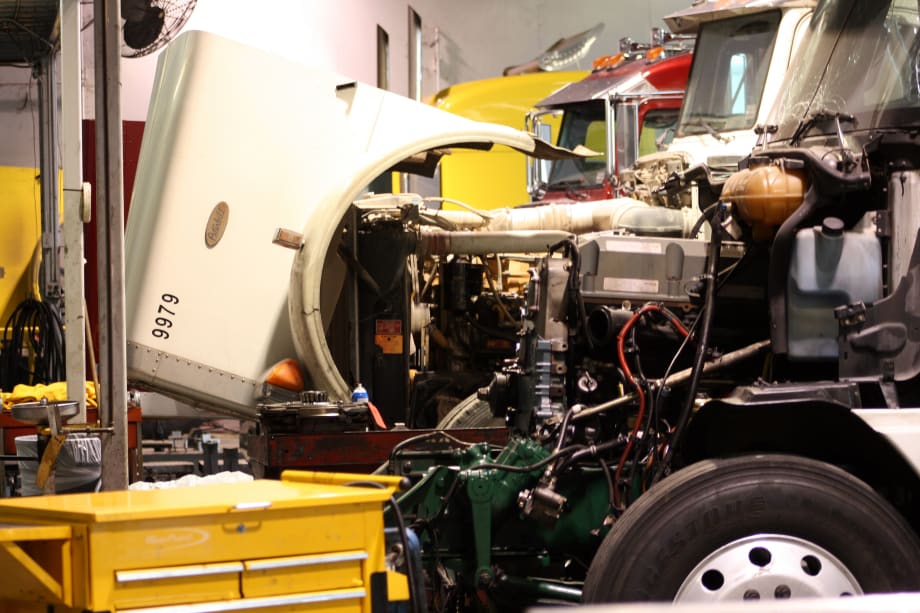

When it comes to maintenance practices and equipment replacement cycles, there are some fairly significant differences between large fleets and small fleets, according to a recent study undertaken by FTR and CK Commercial Vehicle Research.
The study took survey information gathered from fleets canvassed by CKCVR, and overlaid it with FTR data and analysis. That combination makes this report unique, according to the authors.
“Most of the information you see in this area doesn’t get down to the fleet level, to asking the fleets exactly what they’re doing,” explained Don Ake with FTR.
The 30-page report gives a close look at the activity that drives equipment replacement and parts purchases, such as vehicle age, typical trade cycles, miles driven per year, and preventive maintenance intervals.
One of the significant findings, although not necessarily surprising, was that the average Class 8 vehicle age differs significantly between small, medium and large fleets. For small fleets (fewer than 100 trucks), the average age of Class 8 vehicles was 5 years, while large fleets (1,000 trucks or more) reported an average of 2.7 years.
“The one thing I saw was how long some of the small fleets run their equipment,” Ake said in response to a question about anything in the survey that was a surprise. “They run it for a long time, and that’s consistent with some of the trends we’ve seen lately. In this economic recovery, because it hasn’t been robust, small fleets [aren’t] making a lot of money. They’re profitable but not making the amount of money they want, so they will tend to put off new expenditures, or even replacing their equipment with used equipment. They will run their equipment a very long time and use the money they have to repair it rather than replace it, and over time that leads to more maintenance expense in total.”
The survey found that for most fleets, when Class 8 trucks pass the 6-year old mark, average annual part cost can increase by as much as 50%.
However, a lot of small fleets can’t really afford to avoid those increased costs through shorter trade cycles, “the price of new equipment is prohibitive to a fleet who’s making money but not making a lot of money,” Ake explained.
Chris Kemmer with CKCVR explained that a lot the really large fleets heavily invested in new equipment over the last couple of years, “because there was plenty of freight to haul and a lot of nice new equipment offering them more productivity. Plus they were trying to attract new drivers. All those issues created an environment where large fleets were really accelerating their replacement cycle. They really have found some good productivity in these new vehicles. The price has gone up but there have been a lot of benefits to those new vehicles as well.”

Fleet size also was a factor in different maintenance practices. Typical PM schedules for all fleets reporting is 2.3 months for trucks and 2.7 months for trailers.
“A larger fleet, their maintenance capabilities are bigger and better, they have more resources,” Ake said. “They tend to standardize things more, they tend to have more rigid or more structured scheduling and better procedures, they can track stuff better so they’re a little more consistent and careful in their maintenance.”
When asked what fleets might take away from this report, Ake called it “an excellent benchmarking tool.”
Kemmer explained, “knowing what an average PM schedule is, knowing average part costs per year based on the age of vehicle, would be very helpful, both for truck and trailer, because that’s broken down by parts on the truck, parts on the trailer, types of trailers, age of vehicle, and we do the same thing with tire costs. Especially if I’m a small fleet and I don’t have a lot of sources to know where I fit and I look at my average cost is X, and I look at this and see the average is much less than, then I know that I’ve got a problem.”
For more information about the report and how to order a copy, go to ftrintel.com/2016study or contact dake@ftrintel.com or chris@ckcvr.com
More Maintenance
What Trucking Events are Happening in 2027?
Looking for trucking-related conventions, expos, and other events? Heavy Duty Trucking has developed this list of national and larger regional trucking shows and events.
Read More →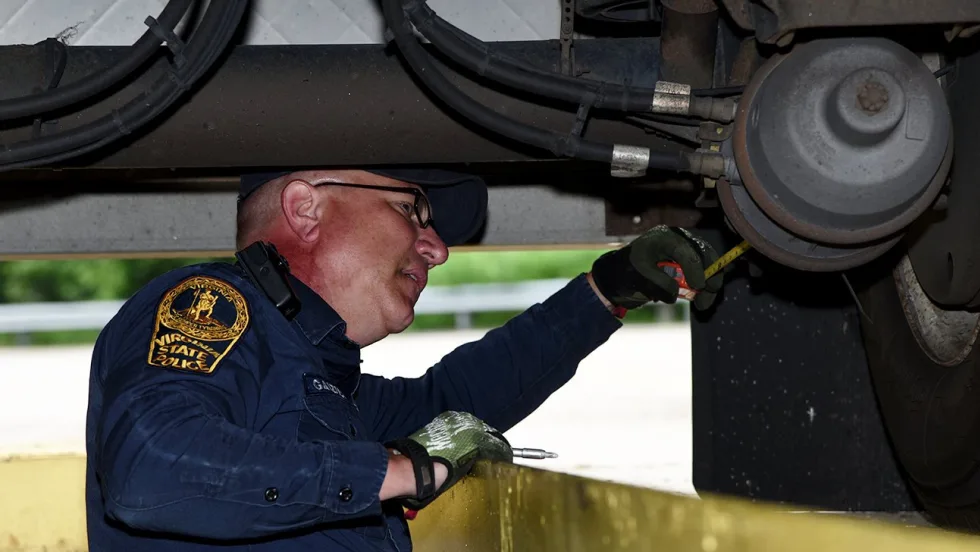
Brake Problems Sideline 15% of Inspected Trucks
During CVSA's 2026 Brake Safety Week, inspectors placed nearly 2,400 commercial vehicles out of service for brake violations, including problems with defective brakes, hoses, drums and rotors.
Read More →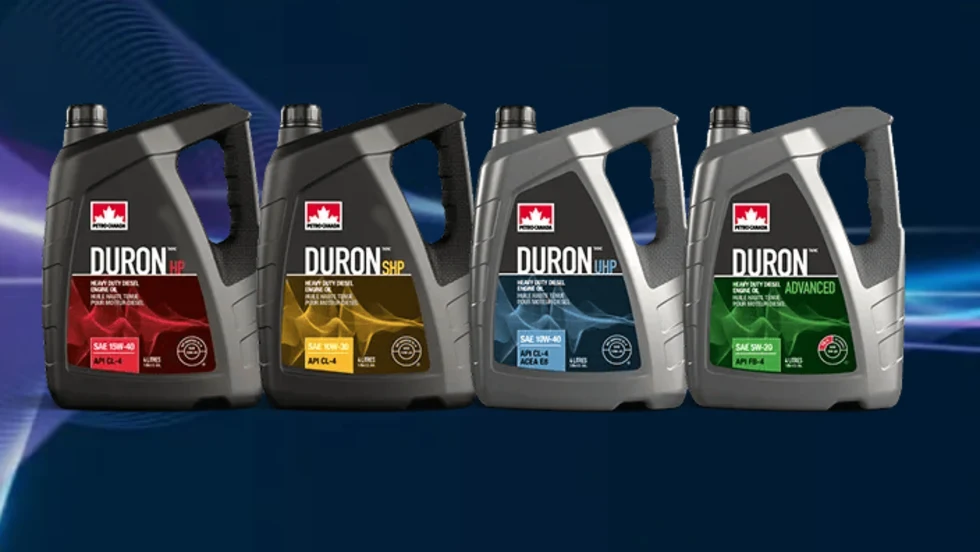
Unlocking the performance advantages of PC-12
2027 will mark the arrival of a new generation of heavy-duty engine oils. PC-12 reflects how far engine design has advanced and the demands that progress places on heavy-duty lubricants. Here’s what the transition means to your fleet.
Read More →


6 Tips for Troubleshooting Cold-Weather Truck Problem: Don't Guess, Diagnose it
Cold weather can expose hidden truck problems. Discover six practical troubleshooting tips to pinpoint the cause, avoid unnecessary repairs and keep trucks on the road.
Read More →
How GP Transco Builds Fuel Savings a Fraction at a Time
Aerodynamic specs, solar panels, and driver incentives help GP Transco turn small efficiency gains into savings it can reinvest in its people.
Read More →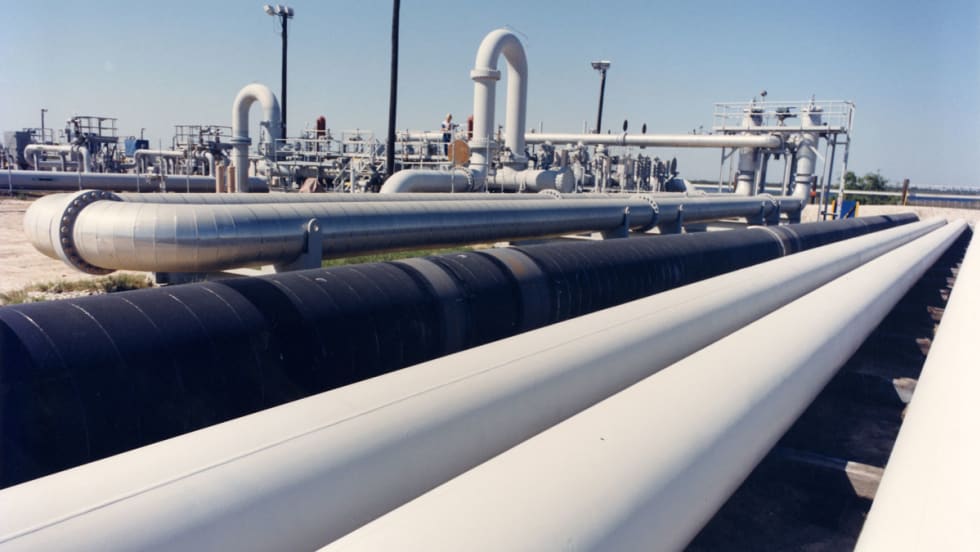
Oil Crisis Squeezes Trucking Lubricant Supplies
Fleets report higher lubricant costs as Middle East disruptions tighten supplies of ingredients used in synthetic engine oils and some driveline lubricants.
Read More →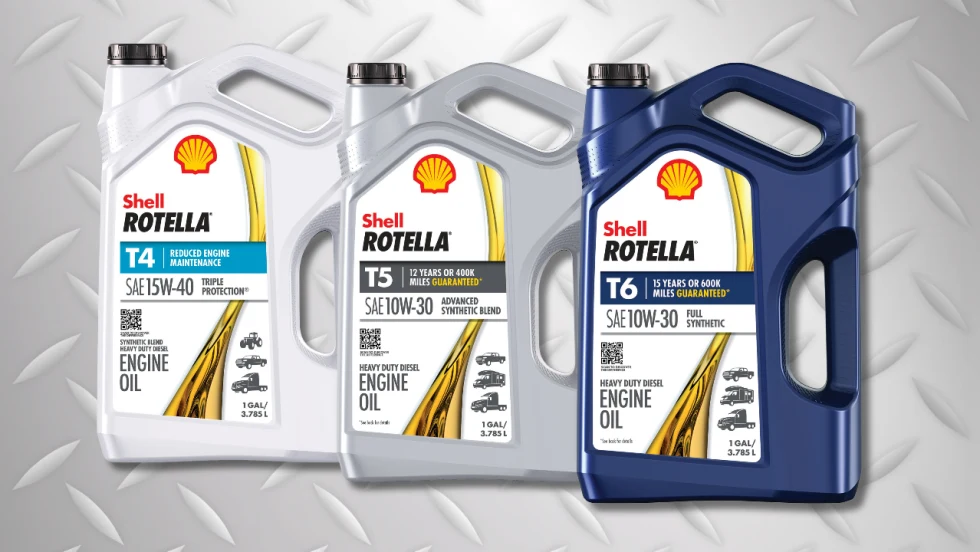
Shell Prepares Rotella Oils for 2027
New CL-4 and FB-4 formulations will begin arriving in early 2027, with improved protection against oil breakdown, wear and deposits, according to Shell.
Read More →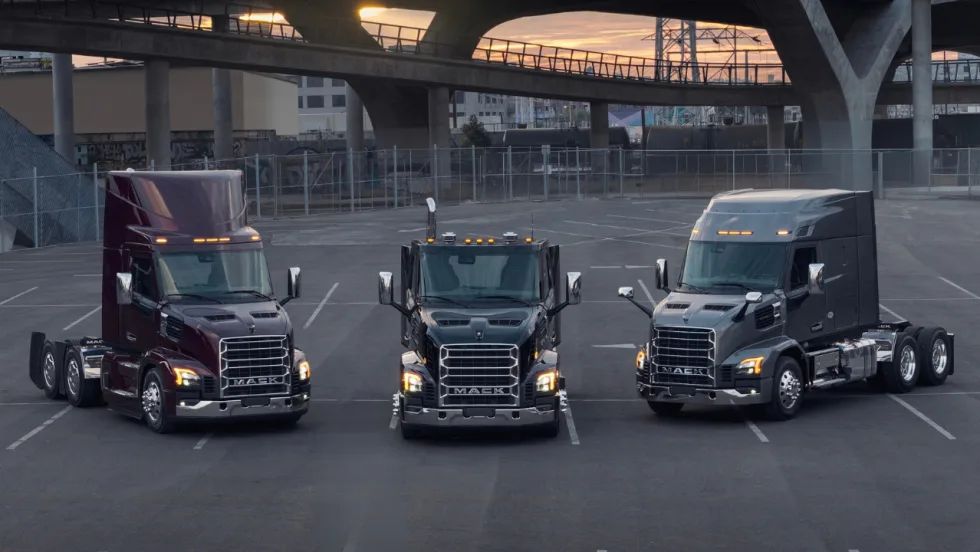
Mack Expands Extended Coverage With Four Chassis System Plans
Mack Trucks' new system-specific coverage options allow heavy-duty fleets to select protection for driveline, cab, HVAC, electronics, and advanced safety components.
Read More →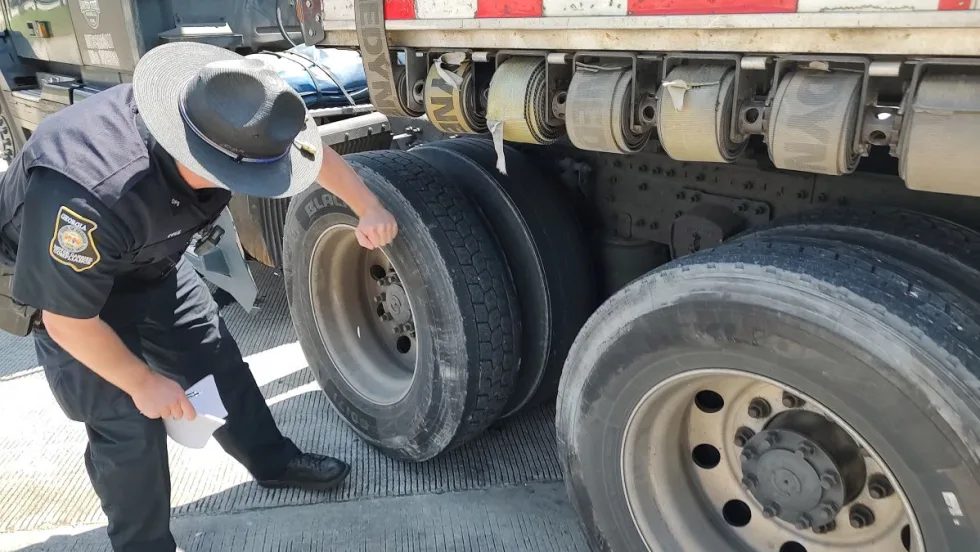
What an Out-of-Service Order Really Costs, and How to Plan for One
The repair invoice is the first number you see — and often one of the smallest. Here’s what else an out-of-service order can cost a fleet, and how planning can reduce the damage.
Read More →
International Launches Online Truck Parts Store
Fleetrite.com lets fleets and repair shops find OEM and all-makes parts, check prices and availability, and order without calling a parts counter.
Read More →