




Tips on Using and Caring for Your Torque Wrench
A torque wrench is a precision instrument designed to apply a specific amount of force to a fastener
A torque wrench is a precision instrument designed to apply a specific amount of force to a fastener.
Whether tightening head bolts on an automobile engine, lugs for tire and rim installation or inspecting fastener tolerances on high-performance equipment, it is extremely important that proper care is used.
Guidelines are typically provided noting acceptable torque ranges, the order in which specific fasteners are tightened and the number of times a fastener must be tightened and loosened to ensure uniform torque application.
Failure to properly torque fasteners can lead to equipment damage, personal injury or worse. With proper care, a high-quality torque wrench should provide accurate measurements for many years.
It is important to follow acceptable maintenance and use practices, such as:
- Safety glasses or goggles should be worn at all times when using any hand tool.
- Always follow the manufacturer's directions regarding torque direction, proper force, torque pattern/sequence, use or non-use of lubrication on fasteners and torque "tighten/release" cycles.
- Do not exceed the recommended working range of the torque wrench. Reliable measurements are based on a percentage of the working range. In general, most mechanical wrenches have a useable range from 20% to 100% of full scale. Most electronic wrenches have a useable range from 10% to 100% of full scale.
- Do not use accessories or handle extensions unless specifically allowed by the torque wrench manufacturer.
- Take time to inspect the tool and check for worn or cracked sockets. Properly lubricate and replace worn parts.
- Avoid dropping or sliding a torque wrench. Dropping a torque wrench on a hard surface can cause the instrument to lose reliable calibration. If you suspect that a wrench has been dropped, have the tool inspected by the manufacturer or reputable calibration service.
- Always store a torque wrench in a protective case and/or location when not in use.
- Avoid exposure to temperature extremes, high humidity, fluid immersion and corrosive environments.
- If using a click-type torque wrench, always store it at the lowest level on the scale.
- Avoid marking, etching or placing labels on torque wrenches.
- Use a torque wrench to apply a specific torque value during the final assembly process. Do not use a torque wrench as the primary means of tightening or loosening fasteners.
- As most torque wrenches are length specific, always grasp the torque wrench in the center of the handle. If two hands need to be used, place one hand on top of the other.
- Apply torque in a slow, methodical manner and avoid sudden, jerking movements.
- When the wrench signals (by clicking, beeping or lights) that a specific torque has been reached, stop pulling immediately.
After 5,000 cycles or up to one year of use, whichever comes first, have your torque wrench inspected and recalibrated by the manufacturer or reputable calibration service.
Information courtesy of Snap-on Tools.
More Maintenance

Why Fleet Data Matters More Than Ever at Waste Connections [Watch]
Waste Connections' Chuck Palmer explains how telematics, predictive maintenance, safety analytics, and AI help keep vehicles on the road and drivers safe in this episode of HDT Talks Trucking.
Read More →
How to Prevent Summer Truck Cooling System Failures
Summer heat puts heavy-duty truck cooling systems under intense strain. Learn how preventive maintenance and accurate repair information can help reduce downtime.
Read More →
Deadline Extended for HDT Truck Fleet Innovators Nominations
Heavy Duty Trucking has extended the deadline for nominations for its Truck Fleet Innovators awards. The deadline has been extended to May 22.
Read More →
Why VMRS Is the Natural Link Between AI, Predictive Analytics, and Vehicle Repairs [Commentary]
Jon White was a leading figure in the development of VMRS. Now, after five decades of service, White says VMRS is becoming essential to the AI-driven future of truck maintenance.
Read More →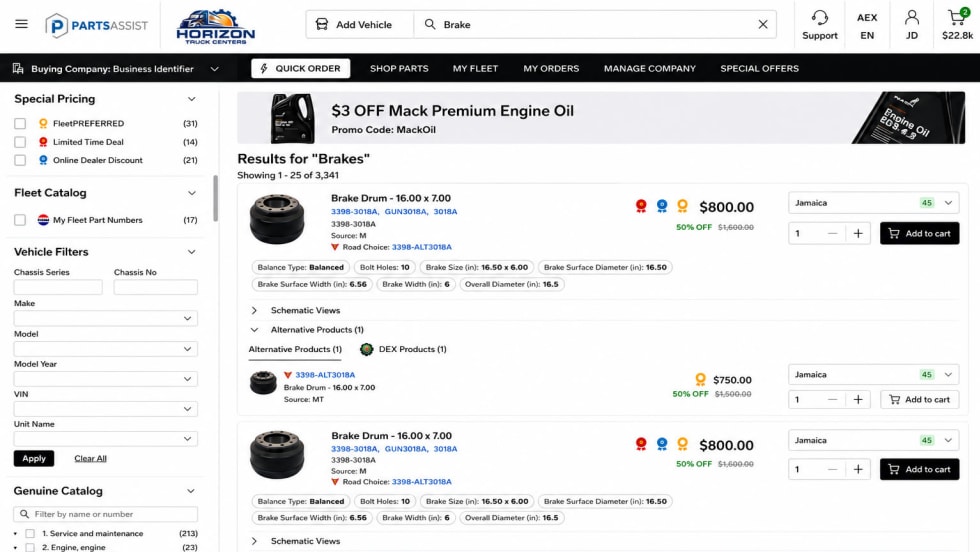
Mack Trucks Revamps PartsASIST Platform with Faster Performance, Improved Navigation
Mack Trucks has launched a redesigned version of its PartsASIST online ordering platform, adding faster search, real-time inventory visibility and enhanced order tracking.
Read More →
International Debuts ‘My International’ Connected Platform to Centralize Fleet Data, Service, and Dealer Communication
International’s New digital ecosystem unifies telematics, maintenance, and dealer interaction into a single interface, aiming to reduce downtime and deliver predictive fleet insights.
Read More →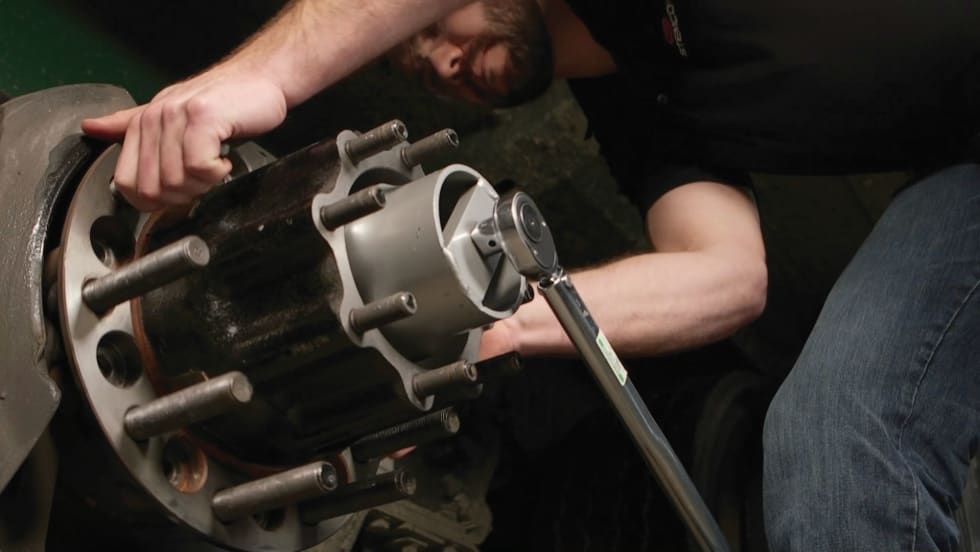
Saving Fuel at the Wheel End
Wheel ends are often overlooked in the quest for better fuel economy. But Joshua Kucera, product manager, Stemco, warns that neglecting wheel ends can reduce fuel economy and increase maintenance headaches.
Read More →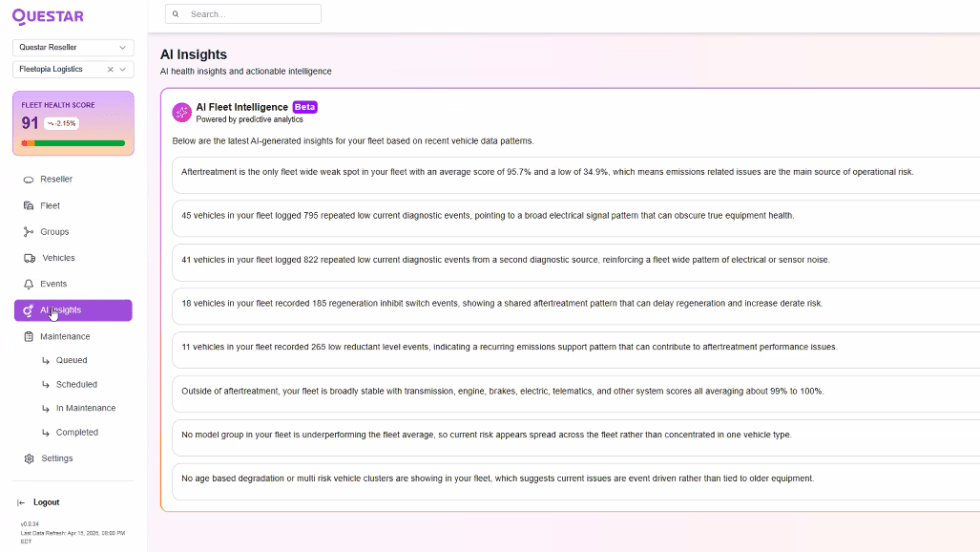
Beyond Predictive: Questar Adds AI-Driven Repair Recommendations to Fleet Maintenance
Questar’s latest maintenance platform uses AI to flag potential failures, recommend repairs, and estimate the cost of waiting, helping fleets prioritize maintenance and save money and downtime.
Read More →
API Formally Approves Next-Gen Engine Oil Category for 2027 Engines
Heavy-duty engine oil marketers can begin finalizing formulations and preparing product packaging to meet the new oil specifications ahead of the January 1 licensing date.
Read More →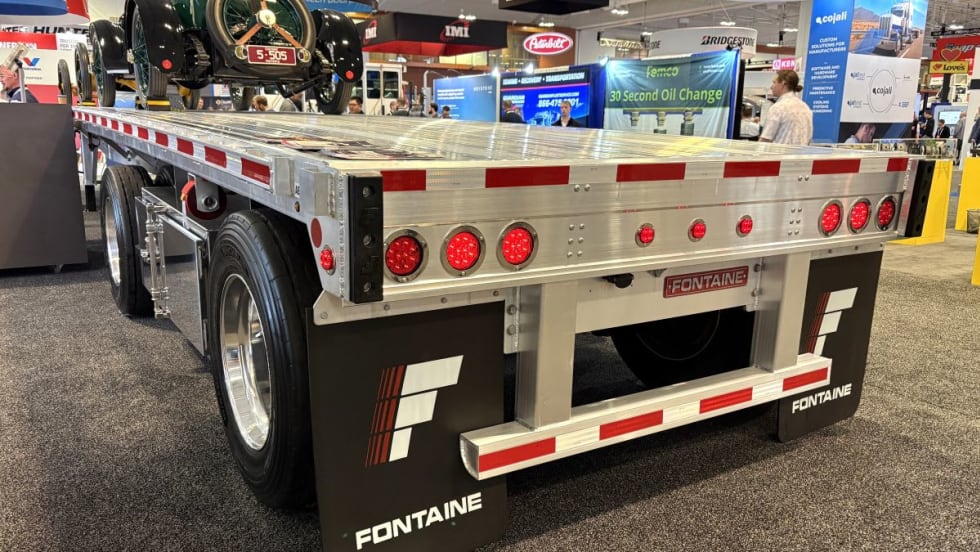
Fontaine Expands Flatbed Lineup with New Fleet-Focused Models, Eyes 2027 Launch
Fontaine is broadening its flatbed lineup with new models aimed at fleets, including a lightweight aluminum trailer expected in 2027 that emphasizes durability, repairability, and lower cost.
Read More →