




Charging Truck Batteries in Cold Weather
One of the biggest misconceptions about truck batteries is that they charge the same throughout the year. The colder it is outside, the less charge the battery pack wants to accept.

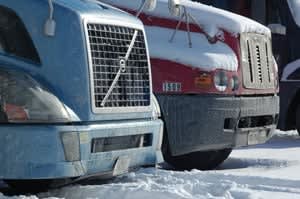
Charging vehicle batteries in cold weather is totally different in the winter. (Photo by Jim Park)
One of the biggest misconceptions about truck batteries is that they charge the same throughout the year. They simply don't! The colder it is outside, the harder it is to charge those batteries.
In warm weather (above 40 degrees), batteries are very easy to recharge.
They can normally take as much charge that the vehicle charging system can provide. Even deeply discharged battery packs can be completely recharged in a few hours if the only issue is a discharged battery not defective batteries..
However, the colder it is outside, the less charge the battery pack wants to accept. When it is very cold, the electrolyte in a flooded cell battery becomes like jelly and the molecular action in the battery slows down. The battery is similar to a tube of toothpaste -- difficult to get out and almost impossible to put back in.
The operator may become fooled by the way the vehicle responds in cold weather. The voltmeter on the dash displays a correct charging range and the lights are bright so it is assumed that the batteries are charging as normal.
What is really happening is that the vehicle's alternator is at the correct voltage and is powering the vehicle loads, but because the batteries are cold, the charge acceptance of the batteries is very low, sometimes as low as 2 amps per hour. Driving times of up to 40 hours can be required to charge deeply discharged cold batteries.
While AGM batteries have up to 40% better recharge capacity across all temperature ranges they will still require more time in cold weather to recharge than driving laws allow.
Things to Remember About Truck Batteries in Cold Weather Operation:
Discharged batteries can freeze in cold weather.
Never try to jump-start a vehicle that has frozen batteries.
Cold batteries will not accept a normal charge until the batteries reach an ideal temperature or extensive charging time is available.
Cold batteries can take up to 30 hours to warm back up to room temperature.
While jump-starts can get the vehicle started, many hours of charging may be required to recharge the battery pack. It might be a more prudent path to change batteries as normal vehicle operation cannot recharge the battery pack adequately during a normal workday.
(Information courtesy Purkeys Fleet Electric, www.purkeysfleetelectric.com.)
More Maintenance
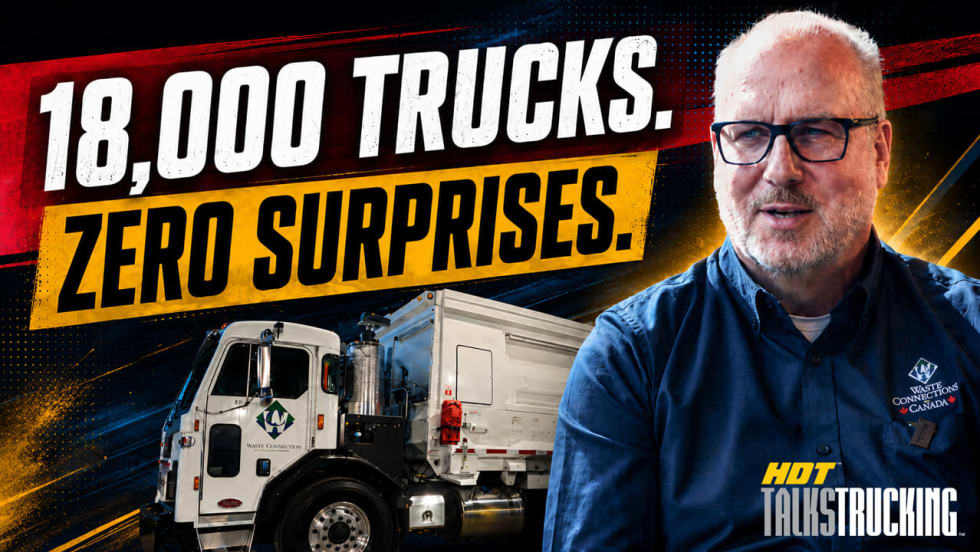
Why Fleet Data Matters More Than Ever at Waste Connections [Watch]
Waste Connections' Chuck Palmer explains how telematics, predictive maintenance, safety analytics, and AI help keep vehicles on the road and drivers safe in this episode of HDT Talks Trucking.
Read More →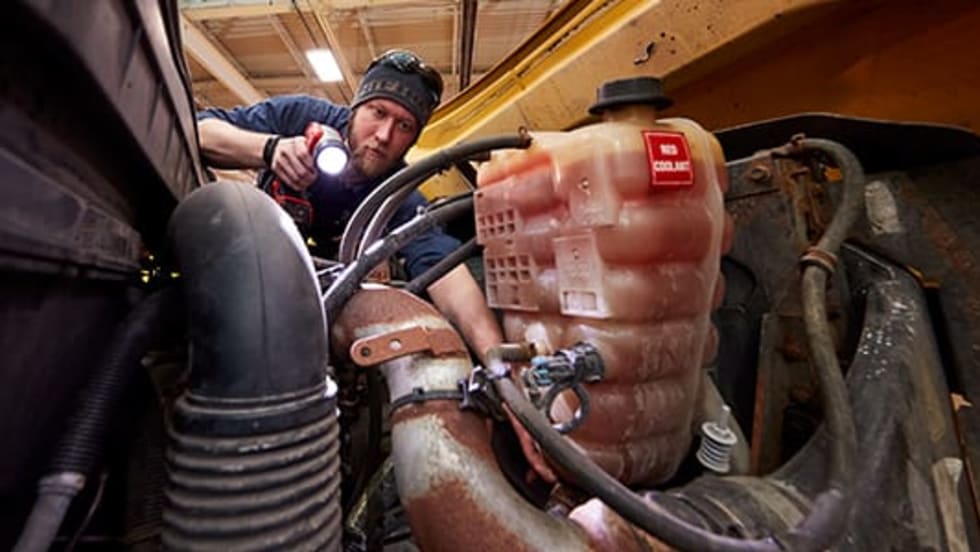
How to Prevent Summer Truck Cooling System Failures
Summer heat puts heavy-duty truck cooling systems under intense strain. Learn how preventive maintenance and accurate repair information can help reduce downtime.
Read More →
Deadline Extended for HDT Truck Fleet Innovators Nominations
Heavy Duty Trucking has extended the deadline for nominations for its Truck Fleet Innovators awards. The deadline has been extended to May 22.
Read More →
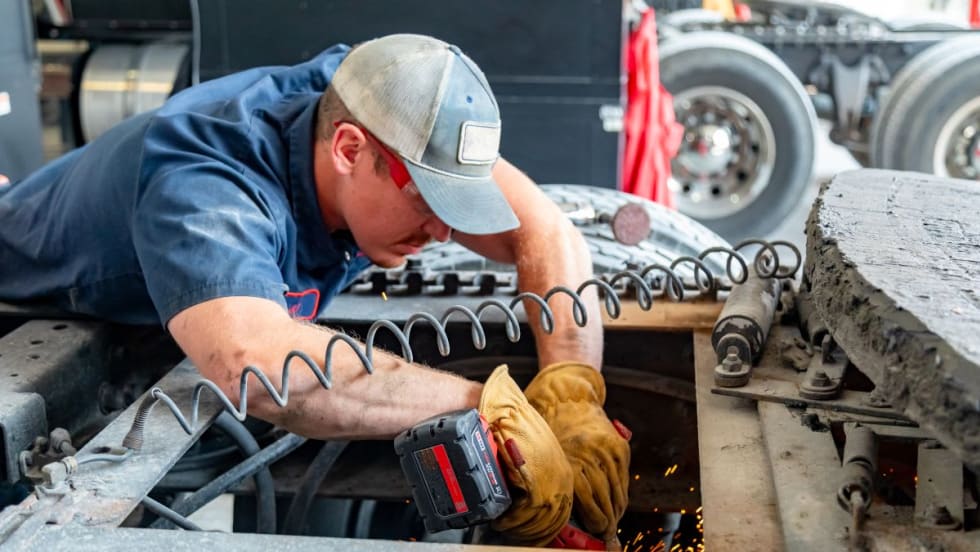
Why VMRS Is the Natural Link Between AI, Predictive Analytics, and Vehicle Repairs [Commentary]
Jon White was a leading figure in the development of VMRS. Now, after five decades of service, White says VMRS is becoming essential to the AI-driven future of truck maintenance.
Read More →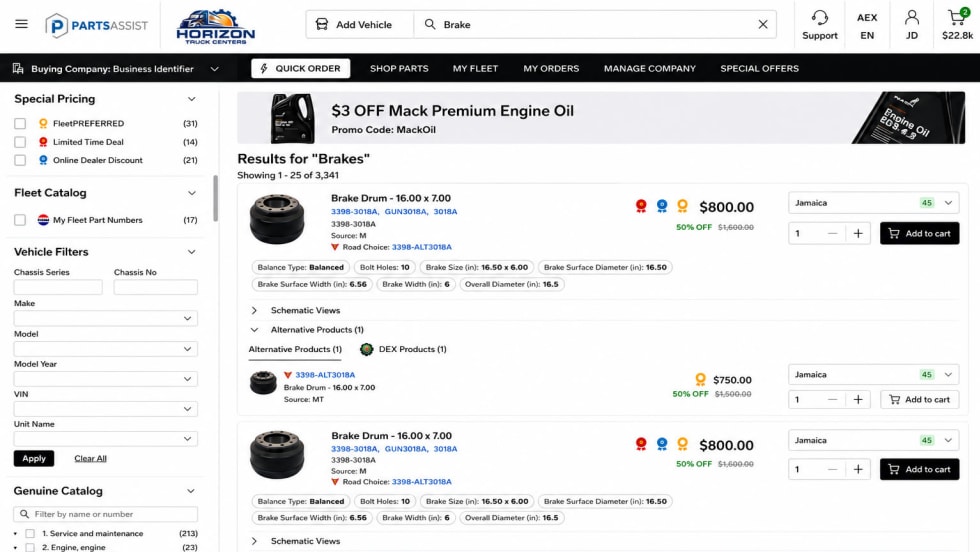
Mack Trucks Revamps PartsASIST Platform with Faster Performance, Improved Navigation
Mack Trucks has launched a redesigned version of its PartsASIST online ordering platform, adding faster search, real-time inventory visibility and enhanced order tracking.
Read More →
International Debuts ‘My International’ Connected Platform to Centralize Fleet Data, Service, and Dealer Communication
International’s New digital ecosystem unifies telematics, maintenance, and dealer interaction into a single interface, aiming to reduce downtime and deliver predictive fleet insights.
Read More →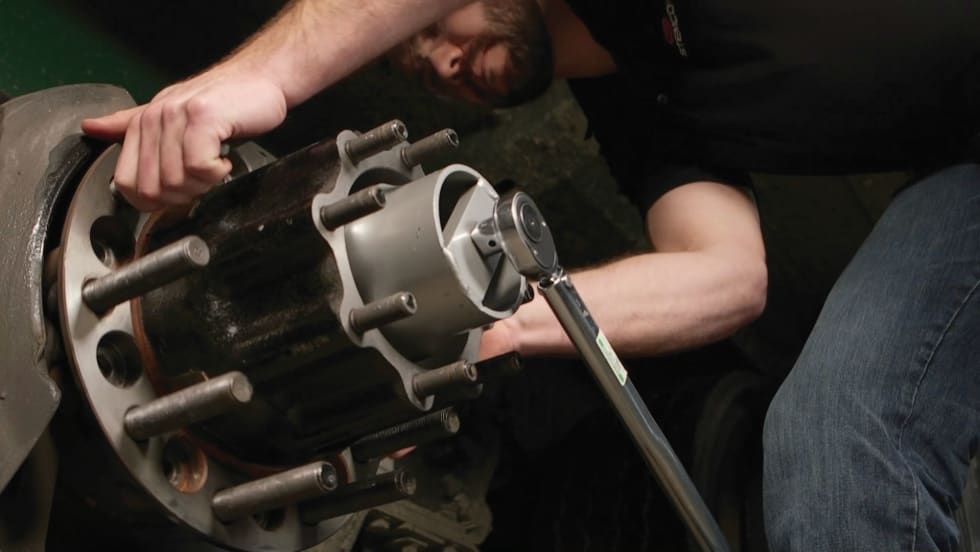
Saving Fuel at the Wheel End
Wheel ends are often overlooked in the quest for better fuel economy. But Joshua Kucera, product manager, Stemco, warns that neglecting wheel ends can reduce fuel economy and increase maintenance headaches.
Read More →
Beyond Predictive: Questar Adds AI-Driven Repair Recommendations to Fleet Maintenance
Questar’s latest maintenance platform uses AI to flag potential failures, recommend repairs, and estimate the cost of waiting, helping fleets prioritize maintenance and save money and downtime.
Read More →
API Formally Approves Next-Gen Engine Oil Category for 2027 Engines
Heavy-duty engine oil marketers can begin finalizing formulations and preparing product packaging to meet the new oil specifications ahead of the January 1 licensing date.
Read More →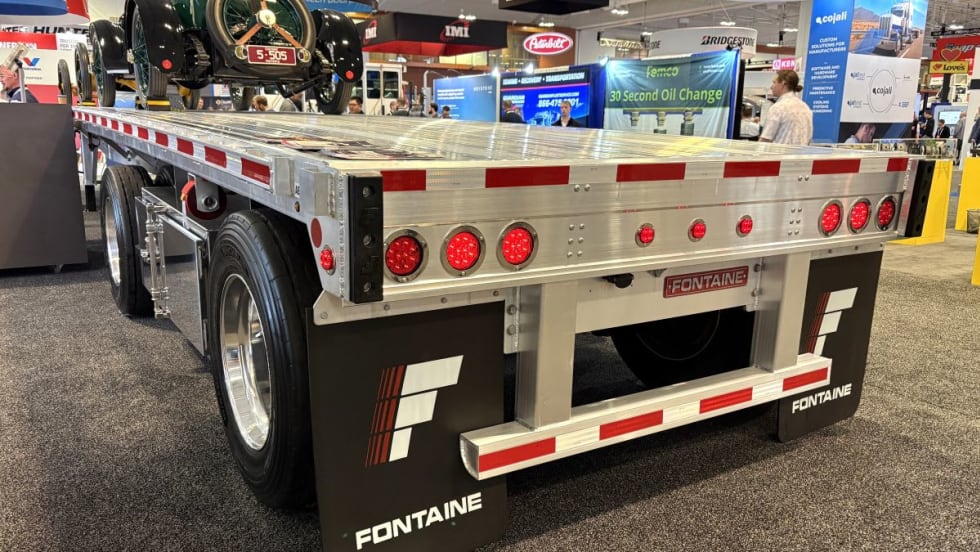
Fontaine Expands Flatbed Lineup with New Fleet-Focused Models, Eyes 2027 Launch
Fontaine is broadening its flatbed lineup with new models aimed at fleets, including a lightweight aluminum trailer expected in 2027 that emphasizes durability, repairability, and lower cost.
Read More →