




Uneven Wear on Wide-Base Single Tires
The wear demons don't discriminate between standard and wide-base single tires. With a few exceptions, the kinds of irregular wear that standard tires exhibit will appear on wide-base singles, too

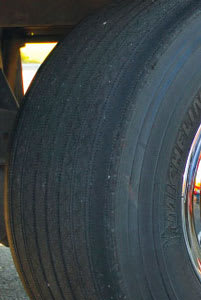
Shoulder wear on wide-base singles is a common problem.
The wear demons don't discriminate between standard and wide-base single tires. With a few exceptions, the kinds of irregular wear that standard tires exhibit will appear on wide-base singles, too.
In a recent fleet survey done by the American Trucking Associations' Technology & Maintenance Council, managers reported nothing exceptional with wide singles in free-rolling positions, though many noted that some wide singles seemed more susceptible to certain types of wear under certain conditions.
Misalignment and low inflation pressures are the most common culprits, noted Guy Walenga, Bridgestone's director of engineering for commercial products, at a tire seminar last summer. "The wear associated with pressure variations and alignment is consistent with dual tires, but it can be exacerbated on the wide-base singles," he said.
One type of wear associated with wide-base singles - inside shoulder wear, especially on trailers - is getting a lot of attention. While it's fairly common on the inner tire of a dual assembly on trailers, it hasn't been viewed as a big problem.
"Fleets usually don't use premium tires on trailers, or they run out steer and drive tires back there until they are retreaded, so fleets have not been overly concerned about inside shoulder wear on dual tires," says Doug Jones, Michelin's customer engineering support manager. "It's a different situation now that fleets are using wide-base singles on trailers. The cost of the tire is a factor. When the inside shoulder wear shows up, it creates a lot of consternation."
The causes of inside shoulder wear are generally the same across the two types of tire: axle misalignment, load-induced camber, low inflation pressure, and in some cases, neglect.
"We've looked at a number of things, but we all know that trailers are often not properly aligned, tire pressures are low and all of that," says Jones. "What we have found is that if a fleet is diligent with tire pressures, and the trailers are properly aligned, inside shoulder wear on wide-base singles is minimal. In some instances they don't even see it."
Why some fleets have problems and others do not remains a pressing question. The tire makers are looking into it now, and TMC has convened a task force to get to the root of the problem.
More Maintenance
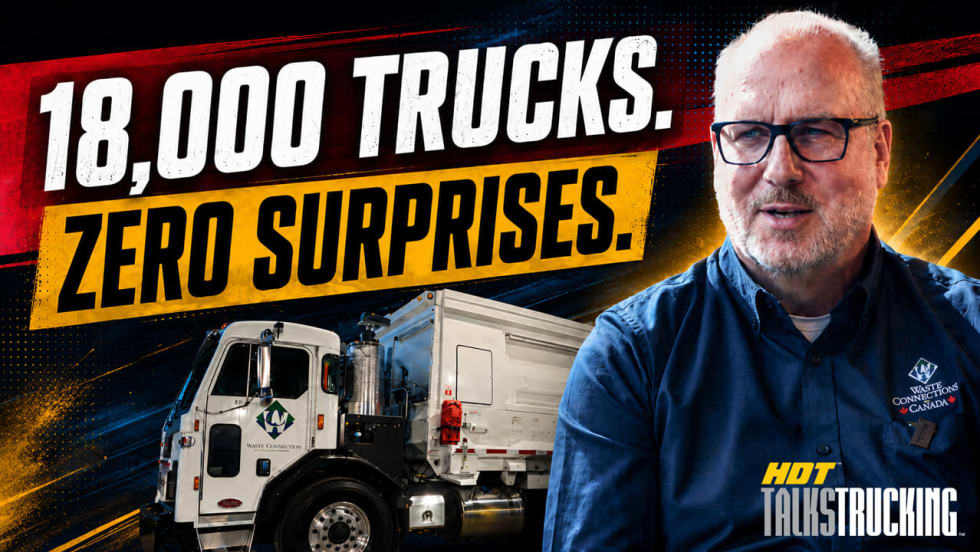
Why Fleet Data Matters More Than Ever at Waste Connections [Watch]
Waste Connections' Chuck Palmer explains how telematics, predictive maintenance, safety analytics, and AI help keep vehicles on the road and drivers safe in this episode of HDT Talks Trucking.
Read More →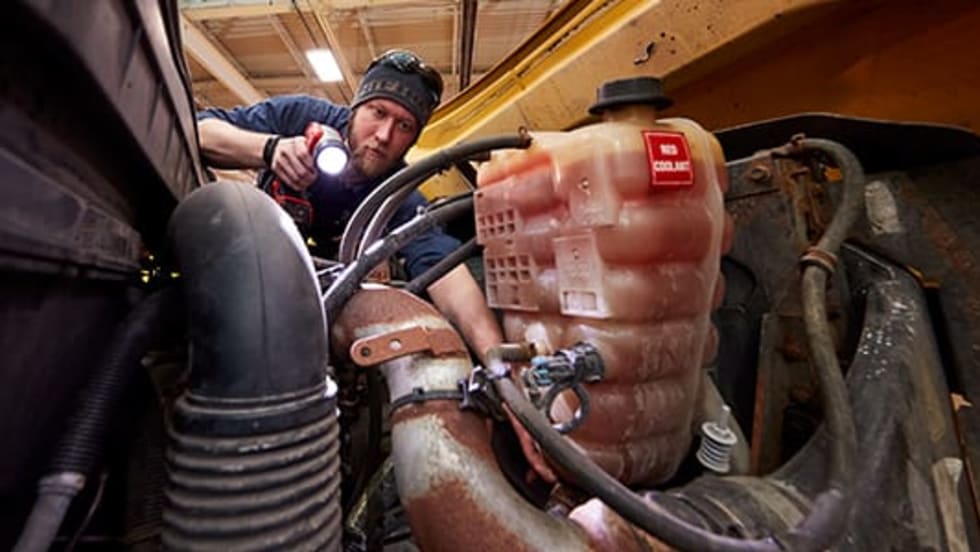
How to Prevent Summer Truck Cooling System Failures
Summer heat puts heavy-duty truck cooling systems under intense strain. Learn how preventive maintenance and accurate repair information can help reduce downtime.
Read More →
Deadline Extended for HDT Truck Fleet Innovators Nominations
Heavy Duty Trucking has extended the deadline for nominations for its Truck Fleet Innovators awards. The deadline has been extended to May 22.
Read More →
Why VMRS Is the Natural Link Between AI, Predictive Analytics, and Vehicle Repairs [Commentary]
Jon White was a leading figure in the development of VMRS. Now, after five decades of service, White says VMRS is becoming essential to the AI-driven future of truck maintenance.
Read More →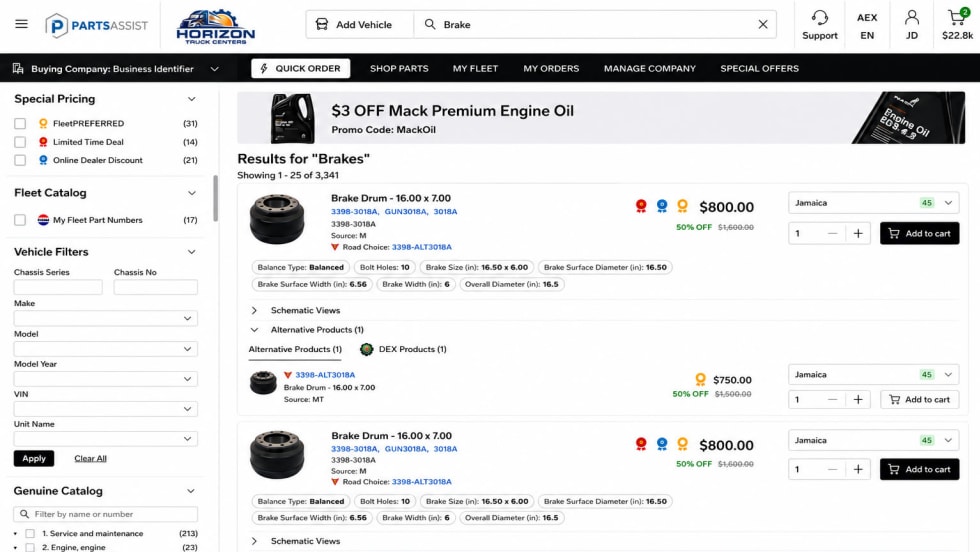
Mack Trucks Revamps PartsASIST Platform with Faster Performance, Improved Navigation
Mack Trucks has launched a redesigned version of its PartsASIST online ordering platform, adding faster search, real-time inventory visibility and enhanced order tracking.
Read More →
International Debuts ‘My International’ Connected Platform to Centralize Fleet Data, Service, and Dealer Communication
International’s New digital ecosystem unifies telematics, maintenance, and dealer interaction into a single interface, aiming to reduce downtime and deliver predictive fleet insights.
Read More →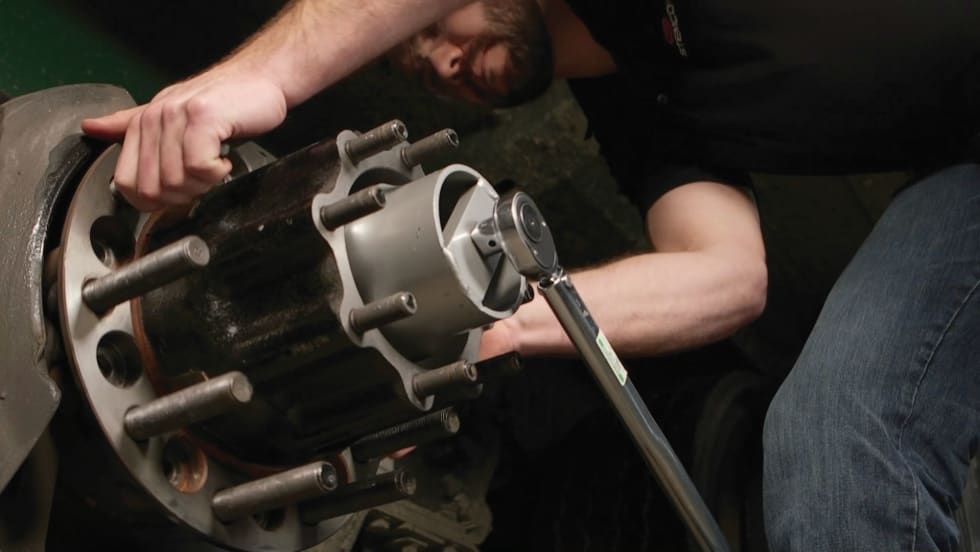
Saving Fuel at the Wheel End
Wheel ends are often overlooked in the quest for better fuel economy. But Joshua Kucera, product manager, Stemco, warns that neglecting wheel ends can reduce fuel economy and increase maintenance headaches.
Read More →
Beyond Predictive: Questar Adds AI-Driven Repair Recommendations to Fleet Maintenance
Questar’s latest maintenance platform uses AI to flag potential failures, recommend repairs, and estimate the cost of waiting, helping fleets prioritize maintenance and save money and downtime.
Read More →
API Formally Approves Next-Gen Engine Oil Category for 2027 Engines
Heavy-duty engine oil marketers can begin finalizing formulations and preparing product packaging to meet the new oil specifications ahead of the January 1 licensing date.
Read More →
Fontaine Expands Flatbed Lineup with New Fleet-Focused Models, Eyes 2027 Launch
Fontaine is broadening its flatbed lineup with new models aimed at fleets, including a lightweight aluminum trailer expected in 2027 that emphasizes durability, repairability, and lower cost.
Read More →