




The Risks of Hydrocarbon Refrigerant Blends
When the temperatures warm up, it's a good time to remind technicians and drivers about the dangers associated with hydrocarbon refrigerants being sold as cheap substitutes for R-134a and R-12
When the temperatures warm up, it's a good time to remind technicians and drivers about the dangers associated with hydrocarbon refrigerants being sold as cheap substitutes for R-134a and R-12.
Marketed under names like HC-12a, OZ-12, DURACOOL 12a, and EC-12a, these hydrocarbon blends may contain high quantities of propane, isobutane, and other highly flammable gases.
"These products are sold online and at flea markets as direct replacements for SNAP-approved refrigerants," says Gary Hansen, vice president of Red Dot Corp. Based in Seattle, Red Dot designs and manufactures heating and air-conditioning systems, components, and replacement parts for heavy trucks and other commercial vehicles.
SNAP (Significant New Alternatives Policy) is a U.S. Environmental Protection Agency program that evaluates a refrigerant's ozone-depleting potential, global warming potential, flammability, and toxicity. The EPA has banned hydrocarbons as a replacement for R-12 in motor vehicles. Many states have made them illegal.
"Many consumers aren't aware of the hazards these cheap hydrocarbon blends pose to themselves and technicians who service their vehicles," Hansen says.
Hydrocarbon blends are highly flammable and in a confined space may burn or explode in the presence of an open flame, spark, or cigarette. No vehicle manufacturer has endorsed or authorized the use of hydrocarbon refrigerants in its current-production A/C systems, according to Red Dot. They can degrade gaskets and hoses designed for R-134a or R-12, making leaks more likely. Use them and you'll void the warranty.
Technicians should check for A/C system leaks before making an inspection or repair that requires an ignition source (or may generate one). "Use well-maintained, properly calibrated tools to identify refrigerants and sniff for leaks," Hansen adds.
"If you service A/C systems, test for these refrigerants and educate your customers about the dangers of flammable hydrocarbon refrigerants so they know to avoid them," Hansen says. "If you operate a motor vehicle and notice decreased A/C performance, stay away from cheap 'substitute' refrigerants and contact a certified and experienced mobile HVAC technician. He'll have the expertise and equipment to diagnose the problem and address it."
For more information, the EPA has a web page devoted to questions about these refrigerants here. For a list of acceptable substitutes, click here.
More Maintenance
The Maintenance Checks Trucking Fleets Should Prioritize Before Fall Freight Picks Up
Making it through August isn’t the same as being ready for the next several months of operation. Find out what systems may have suffered from summer heat and need to be checked out before fall.
Read More →
What Three Fleets Are Doing Differently When Buying Truck Parts in 2026
With freight improving but costs still climbing, fleet maintenance executives explain how they're balancing price, quality, and supplier relationships.
Read More →
Paccar Recalls 2027 Trucks Built This Summer for Possible Electrical Problem
The nearly 6,000 Kenworth and Peterbilt trucks in the recall could potentially lose engine power, among other things.
Read More →
Will API PC-12 Oil Change Trucking Fleet Maintenance?
The new API PC-12 heavy-duty engine oil category reflects the changing demands of modern diesel engines. But fleets like Foodliner are looking to getting their own data before making decisions on adopting the new oils and questions such as extending oil drain intervals.
Read More →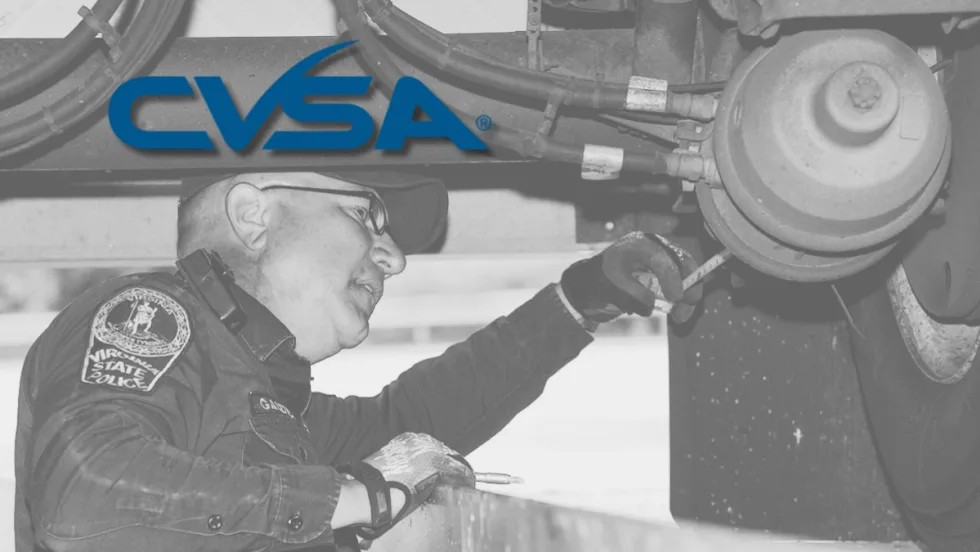
Brake Safety Week to Focus on Drums and Rotors
Commercial vehicle inspectors are focusing on truck brakes during CVSA's Brake Safety Week, August 23-29.
Read More →
Possible Battery-Cable Fires Prompt Recall of 15,000+ International MV and HV Trucks
On the recalled vehicles, manufacturing variations can cause the battery interconnect cable to contact the auxiliary stud and hold down the bracket.
Read More →
Rush, MCT Team Up to Grow Refrigeration Service Network
The joint venture will operate MCT's network of Carrier Transicold dealerships and mobile service locations, with the companies promising greater service capacity and uptime for refrigerated fleets.
Read More →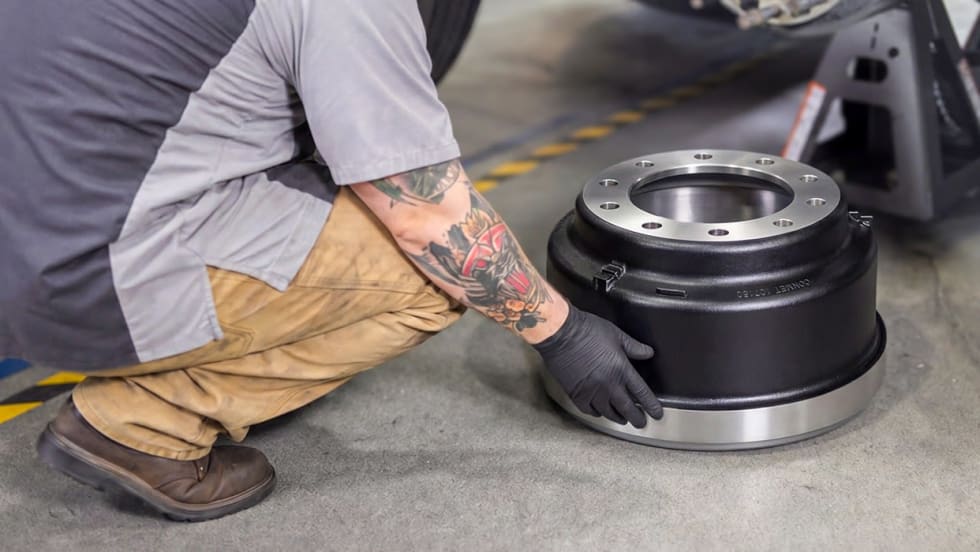
ConMet Expands Aftermarket Brake Drum Lineup With TruCast
A new heavy-duty truck brake drum option in the aftermarket gives customers more flexibility within the ConMet product family.
Read More →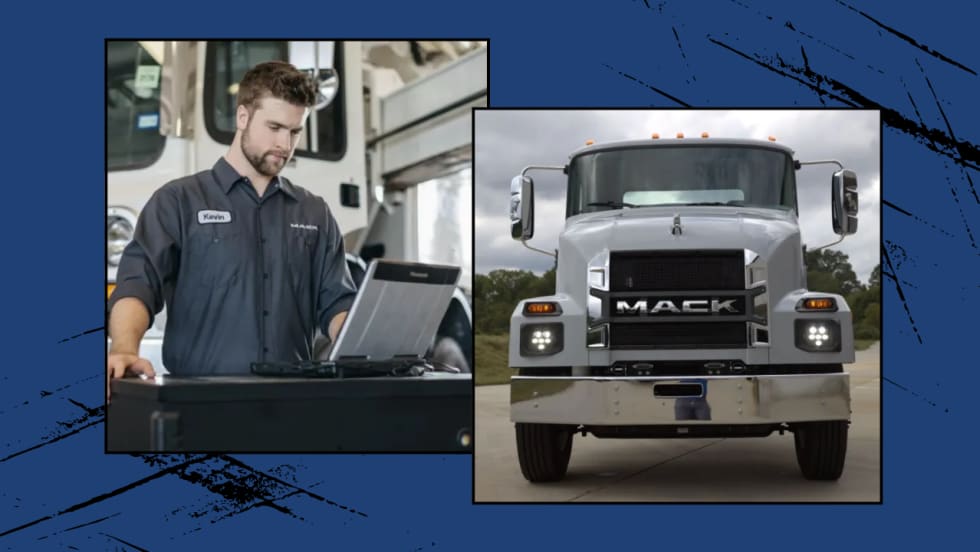
Mack Expands Premium Service Contract Coverage to Medium-Duty MD
With a service contract, inspections, preventive maintenance and repairs can be handled in a single visit instead of multiple ones.
Read More →
Maintenance in the Messy Middle Part 5: Battery-Electric Trucks
No oil changes. No diesel exhaust fluid. No exhaust aftertreatment. But NACFE battery-electric trucks still require specialized maintenance procedures.
Read More →