




Filtering Out The Facts
One of the methods all diesel engine manufacturers have adopted to reduce emissions - especially particulate
One of the methods all diesel engine manufacturers have adopted to reduce emissions - especially particulates
- is to drive fuel injection pressures way up and force the fuel through ever-finer injector holes, typically so small they are drilled with lasers. This extremely high pressure - 30,000 psi or more - and precise injection spray patterns force the fuel into tiny droplets, increasing the surface area of the fuel in each injection event and maximizing its chances of combustion.
The problem is that any dirt or moisture in the fuel will wear the fine clearances in the injector pumps and erode the carefully machined holes in the injectors, leading to a reduction in performance, a rise in fuel use and poor emissions control.
These consequences take time to appear, but there is plenty of evidence to show that time and poor fuel husbandry will show up as damaged injectors.
To make sensitive injection parts in modern diesels last as long as possible, engine manufacturers require fine filtration of the fuel as it reaches the engine, usually two-stage or even three-stage filtering.
Unfortunately, fuel seems to be increasingly dirty, more abrasive and contaminated with water. So it's an almost certain bet that during any meeting of the Technology and Maintenance Council some manager will ask about fuel filter plugging.
In order to gain any sort of life for the fuel filters in this much dirtier fuel environment, engine manufacturers have set the media size for secondary filters to address particle size down to 5 microns at the most extreme. Some, like Cummins, only require a 15-micron secondary filter. This makes filtration less of a maintenance issue, but it doesn't block a whole lot of the 5- to 10-micron particles that can be the most abrasive.
And it's not limited to big-bore trucking diesels. At a GM DuraMax forum, there is some suggestion among users and repairers that a 2-micron filter is necessary to really protect the injectors in those engines.
But if truckers are finding 15-micron filters plugging at unacceptable mileages, are they likely to switch to a media that'll plug up even sooner? The temptation is to go to a wider spec on the filter media. That may reduce filter plugging, but will allow more harmful contaminants into the engine.
One possibility is to try using a different filter of the rating required by the engine maker. All filters are not the same. Some have a greater area of folded media and can absorb more dirt and goo before they choke off the fuel flow.
Before It Goes Into The Truck
The real solution, though, is good fuel housekeeping. Fuel should be purchased from a reliable source and stored in tanks that are not old, rusty or contaminated with dirt or water.
The fuel from the refinery should have been filtered down to 30 microns (and pumps at fuel islands should also have 30-micron filters). It makes sense to filter fuel stored in your own tanks with a finer filter as it is pumped into trucks. If those filters choke up, at least they can be changed without a load being stranded at the side of the road.
Also, these filters will give you a clue about what is blocking the secondary filters out on the highway. You can test to see whether it is a biological contaminant or a degraded fuel with dropped-out asphaltenes. Armed with this knowledge, you will be able to treat with a biocide or do something about your fuel supplier and his handling of the fuel.
First, though, the fleet must test the diesel fuel source to find out exactly what it is purchasing. Diesel fuel is the trucking industry's No. 1 commodity cost of operation. Yet very few companies regularly test their diesel fuel quality. The fuel tests should be for cetane index plus ISO cleanliness code.
Poorly maintained storage tanks can also contain significant amounts of water, which results in microbe and algae growth that can cause fuel filter clogging. The acidic by-products of microbe life causes tank inner wall corrosion, further increasing fine fuel contaminants.
Many tanks have a poorly designed vent system with a wide screen that is able to keep little more than bricks and birds out of the tank. It is very important to think about this point of entry for dust and other contaminants.
Once fuel quality and contamination are determined, a plan can be implemented to reduce contaminant levels.
Acknowledging the problem of injector erosion, Detroit Diesel offers a tune-up kit for the Series 60 under the Power Pack name. A small brochure for the kit features electron micrographs of typical injector tip hole erosion. It recommends replacing all six injectors when the rocker cover is removed for a single bad injector, because the time taken is only two hours more to restore power and performance. Detroit endorses the use of the Davco Fuel Pro 382 fuel filter/water separator and recommends it be installed at the same time as injectors are replaced.
ULSD Problems?
There is concern that the ultra-low sulfur diesel introduced late in 2006 is responsible for some of the fuel issues being seen in trucks and in refueling equipment.
"We are really concerned about this problem becoming more widespread. If this is a corrosion problem that occurs over time, what we are finding now could be the tip of the iceberg," says Holly Alfano, vice president with the truckstop association Natso. It and the Petroleum Equipment Institute are supposed to meet with EPA underground tank officials to discuss what can be done.
Corrosion of steel fuel tanks on the truck has become an issue with Ford SuperDuty and F-Series trucks. According to a Georgia-based service manager, the tanks are on back order as so many replacements have been necessary.
The corrosion incidents are among a number reported to a subcommittee of the American Society for Testing Materials by the Steel Tank Institute.
Trouble with ULSD in diesel engines is not new. When sulfur was reduced to 15 parts per million in ULSD, to counter concerns about loss of lubricity, refiners began mixing in lubricity additives to ease the problem.
But the answer is not easy to find, according to Lorri Grainawi, technical services chief for the Steel Tank Institute. While the damage appears to be widespread, there are no obvious patterns, and damage reports are coming from stations old and new, from high- and low-volume locations.
Natso surveyed its members and found that 42 percent have experienced equipment problems since ULSD was introduced. The survey was in response to reports of increased corrosion in both steel and fiberglass tank systems.
But while there is a considerable body of anecdotal evidence of the corrosiveness of ULSD, a stakeholders group that includes the U.S. Environmental Protection Agency, American Petroleum Institute, Natso, Petroleum Equipment Institute, Petroleum Marketers Association of America, National Association of Convenience Stores, Society of Independent Gasoline Marketers of America, American Trucking Associations and others have recommended no further research into the perceived problem.
As well as the corrosion caused by water in the fuel - which does seem to be a phenomenon associated with ULSD - the interface between the diesel fuel and any water that separates out is the breeding ground for microbial action that can accelerate corrosion from the production of sulfuric acid. But while the corrosion is a concern for the steel tank people, it is the microbes themselves that cause truckers such heartburn. That sticky goo that is blocking up fuel filters is often the bio material that is growing in diesel fuel tanks.
The microbes live at the interface because the water brings oxygen for them to survive. So there is a two step-process to eliminate this contamination: cutting out the water and treating the tank with a diesel biocide.
However, says John Nightingale of Dieselcraft, the bacterial
More Maintenance

Bendix Upgrades Trailer ABS With Smarter Diagnostics
The new iTABS X system replaces Bendix's TABS-6 Standard trailer ABS, adding faster diagnostics and connectivity that could help fleets identify brake-system problems before they lead to downtime.
Read More →
CVSA Sets 2027 International Roadcheck Dates
The annual 72-hour truck inspection blitz will take place May 11–13 across North America. Here's what fleets can expect and what inspectors found during the 2026 event.
Read More →
What Trucking Events are Happening in 2027?
Looking for trucking-related conventions, expos, and other events? Heavy Duty Trucking has developed this list of national and larger regional trucking shows and events.
Read More →


Brake Problems Sideline 15% of Inspected Trucks
During CVSA's 2026 Brake Safety Week, inspectors placed nearly 2,400 commercial vehicles out of service for brake violations, including problems with defective brakes, hoses, drums and rotors.
Read More →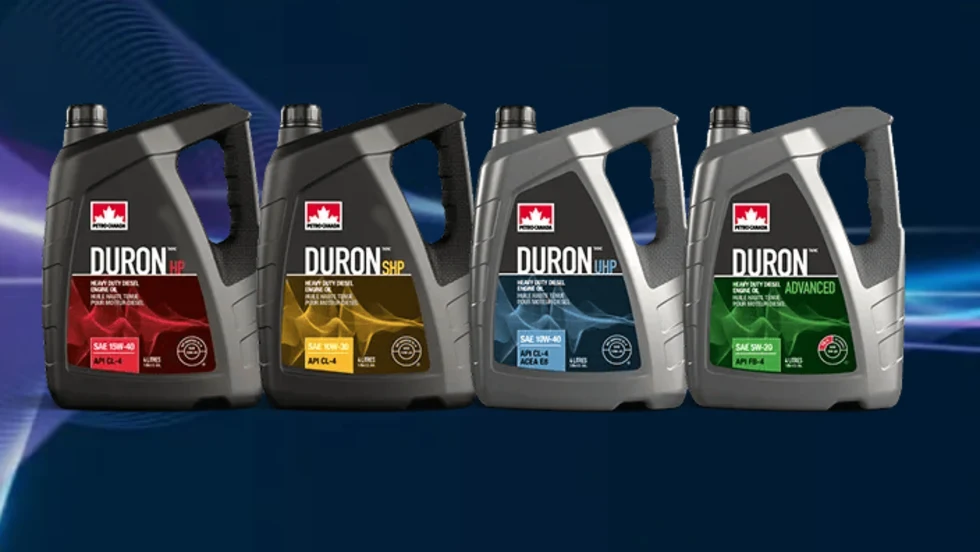
Unlocking the performance advantages of PC-12
2027 will mark the arrival of a new generation of heavy-duty engine oils. PC-12 reflects how far engine design has advanced and the demands that progress places on heavy-duty lubricants. Here’s what the transition means to your fleet.
Read More →
6 Tips for Troubleshooting Cold-Weather Truck Problem: Don't Guess, Diagnose it
Cold weather can expose hidden truck problems. Discover six practical troubleshooting tips to pinpoint the cause, avoid unnecessary repairs and keep trucks on the road.
Read More →
How GP Transco Builds Fuel Savings a Fraction at a Time
Aerodynamic specs, solar panels, and driver incentives help GP Transco turn small efficiency gains into savings it can reinvest in its people.
Read More →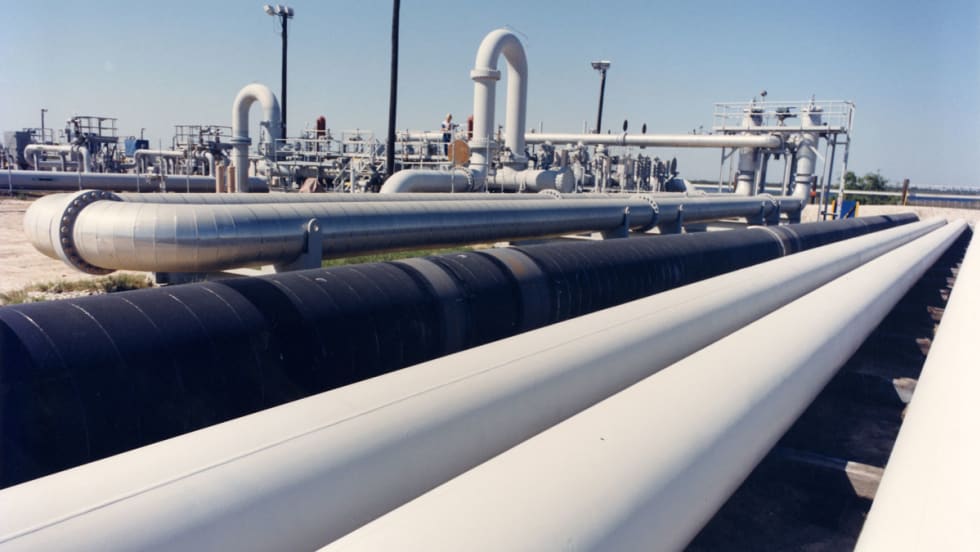
Oil Crisis Squeezes Trucking Lubricant Supplies
Fleets report higher lubricant costs as Middle East disruptions tighten supplies of ingredients used in synthetic engine oils and some driveline lubricants.
Read More →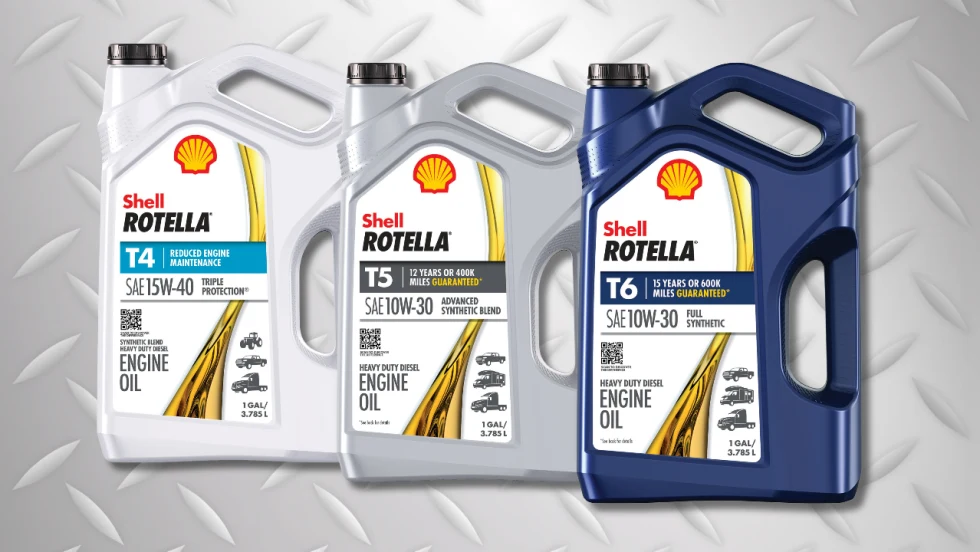
Shell Prepares Rotella Oils for 2027
New CL-4 and FB-4 formulations will begin arriving in early 2027, with improved protection against oil breakdown, wear and deposits, according to Shell.
Read More →
Mack Expands Extended Coverage With Four Chassis System Plans
Mack Trucks' new system-specific coverage options allow heavy-duty fleets to select protection for driveline, cab, HVAC, electronics, and advanced safety components.
Read More →