




Eliminating Contaminants from Truck and Trailer Air Systems
A heavy truck's air system is a basic and important set of components that should be spec'd correctly and then maintained properly.

A heavy truck's air system is a basic and important set of components that should be spec'd correctly and then maintained properly.
It includes a compressor, hoses and piping, valves, tanks and other parts. The system operates the brakes - meaning the truck can stop as well as go - plus suspensions on axles and seats, horn and other accessories.
Moisture, oil and dirt can disrupt operations and cripple the truck, or even cause it to crash. That's why the compressor has a filter at its outlet that removes most contaminants. What it can't catch is grabbed by a condenser/separator and then an air dryer. Dryers are virtually standard on modern trucks, but check specifications anyway to be sure the truck has one, as well as the condenser/ separator if air volume will be high.
What moisture and contaminants still get in the system can be let out with drain valves in air tanks. This should be part of a driver's pre-trip inspection, and be noted on the inspection check list. Or technicians can do it during inbound or outbound inspections. Either way, draining should be done every day.
There should also be a means to keep water from entering the system at gladhands. This is usually a bracket on the rear wall of the cab or sleeper that air-hose glad hands can be clamped to when the tractor is bobtailing. Trailers and dollies should have dummy gladhands to clamp over their air connectors when they are detached from a tractor or leading unit.
These are among suggestions included in the Recommended Practice 617A, "Contaminant Elimination Procedure for Tractor, Trailer or Dolly Air Brake Systems," from the Technology and Maintenance Council of the American Trucking Associations.
RP-617A lists a procedure for forcing contaminants out of truck and tractor air-brake systems. This is done in 12 steps, from chocking the wheels and removing air lines from reservoirs to blowing out portions of the system and checking valve diaphragms for oil. Obviously, only qualified people should do this.
There's also a 10-step procedure for cleansing the air system in a trailer or dolly. Air in these vehicles may be especially dirty because contaminants can enter through the gladhands, which are well downstream of tractor air dryers. Both procedures require using compressed shop air that's clean and dry. Otherwise, all you'll do is replace old contaminants with new ones.
If you like step-by-step instructions, TMC's RP-619A, "Air System Inspection Procedure," lists 20 points that should be followed in testing for contaminants, valve operation and other functions of the air system in trailers and dollies. It describes a test unit consisting of a 50-cubic-inch tank with a gauge and drain cock, a shut-off valve and two glad-hand connectors. Following the procedure and correcting any problems found should result in vehicles with smooth-acting brakes, assuming valves and foundation brakes themselves are well balanced. (TMC has other RPs for that.)
For more information on TMC and its Recommended Practices, visit http://tmc.truckline.com.
From the December 2010 issue of Heavy Duty Trucking magazine.
More Maintenance

Mack Expands Extended Coverage With Four Chassis System Plans
Mack Trucks' new system-specific coverage options allow heavy-duty fleets to select protection for driveline, cab, HVAC, electronics, and advanced safety components.
Read More →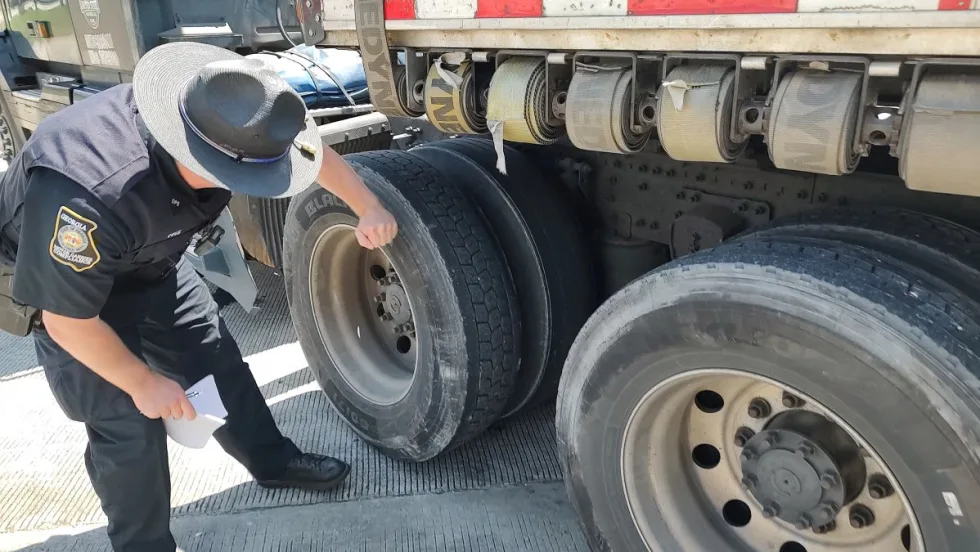
What an Out-of-Service Order Really Costs, and How to Plan for One
The repair invoice is the first number you see — and often one of the smallest. Here’s what else an out-of-service order can cost a fleet, and how planning can reduce the damage.
Read More →
International Launches Online Truck Parts Store
Fleetrite.com lets fleets and repair shops find OEM and all-makes parts, check prices and availability, and order without calling a parts counter.
Read More →


Continental Introduces New Regional Truck Tires
Continental says its new Generation 5 steer and drive tires for regional operations offer longer tread life, with estimated mileage gains of 22% and 19%, respectively.
Read More →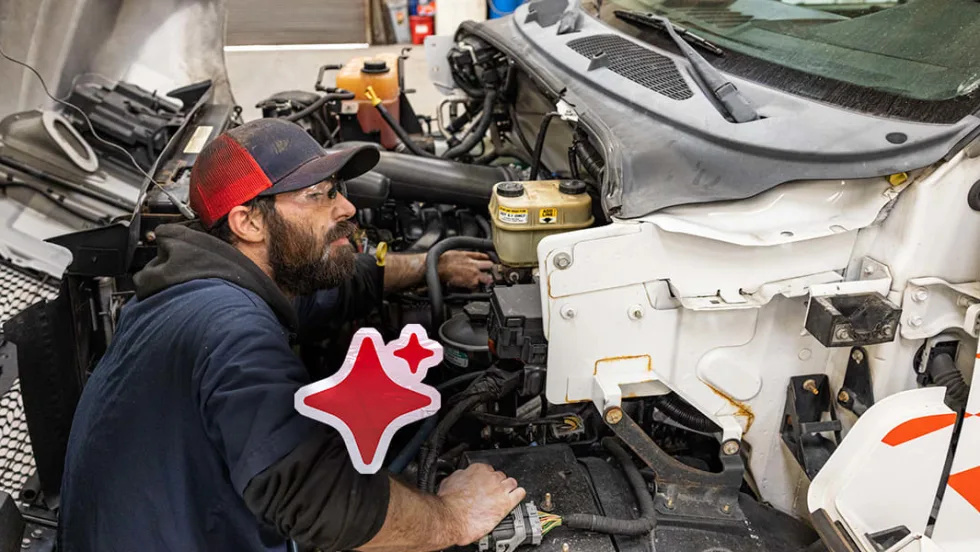
How AI Can Help Your Techs’ Efficiency
The technician shortage isn't going away, and no single fix can close the gap on its own. Trent Broberg makes the case that AI's real job in the shop is protecting the billable hours and job satisfaction of the techs you already have, not asking them to work faster.
Read More →
Color Match Smarter: Tools That Restore & Perform
For fleet managers and collision repair professionals keeping heavy-duty trucks on the road, getting the color right the first time isn't just about appearance — it's about efficiency, turnaround time, and bottom-line results. Discover how today's digital color tools are transforming the repair process from guesswork to precision.
Read More →
Wrong Repair Prompts Recall of Freightliner, Western Star 4x2 Trucks
DTNA is recalling more than 2,400 trucks that received an incompatible software fix instead of the hardware repair required to address brake valve corrosion.
Read More →
Truck Drivers Need More Than Another Alert
Fleets have more visibility into truck health, safety events, and driver activity than ever. The next challenge is turning all that information into useful guidance for the person who has to decide what to do next.
Read More →
The Maintenance Checks Trucking Fleets Should Prioritize Before Fall Freight Picks Up
Making it through August isn’t the same as being ready for the next several months of operation. Find out what systems may have suffered from summer heat and need to be checked out before fall.
Read More →
What Three Fleets Are Doing Differently When Buying Truck Parts in 2026
With freight improving but costs still climbing, fleet maintenance executives explain how they're balancing price, quality, and supplier relationships.
Read More →