




Michelin Unveils Energy Guard Tractor-Trailer Aerodynamic Solution
Michelin is getting into the trailer aero business. Its all-in-one Energy Guard aerodynamic system includes a patent-pending rear-facing Wake Reducer tab.
March 4, 2018


Michelin’s new Energy Guard tractor trailer aerodynamic system features a new, wake reducer tab that works like a spoiler and reduces the air recirculation zone behind a trailer at highway speeds. Photo: Michelin
3 min to read

Michelin is one of the oldest legacy companies serving the global trucking industry today. But according to Adam Murphy, vice president of business to business marketing for Michelin, the company doesn’t so much view itself as a “tire” manufacturer today, as it does a supplier of integrated transportation systems.
Taken in that light, the launch today of Michelin’s new Energy Guard aerodynamic system for tractor-trailers doesn’t seem like quite the departure it would’ve just a few years ago. According to Murphy, speaking at the Technology & Maintenance Council's annual meeting in Atlanta, Michelin’s approach to tractor-trailer aerodynamics is a solution that increases fuel economy, decreases maintenance costs and requires no driver interaction.
Energy Guard consists of a trailer skirt, trailer-end fairings, aerodynamic mud flaps and a patent-pending wake reducer, which Michelin says eliminates the need for “boat tail” fairings or combining aerodynamic products from different suppliers.
Murphy said Energy One features several innovations in its patent-pending design, including a trailer skirt that fully integrates with other aerodynamic components. The skirts are made from resilient, modern composites that bend out of the way when striking a objects. The wake reducer is much smaller in size than “boat tail” fairings in use today, Murphy said, but still minimizes the effect of the air recirculation zone that creates drag behind a trailer. Even better, he said, both are systems automatically functioning once installed and always activated without any driver actions.
According to testing carried out by Michelin, Murphy said, the new Energy Guard aerodynamic system can deliver 7.4% fuel savings at 65 mph compared to tractor-trailers with no aerodynamic system. This works out to savings of $3,000 and 1,000 gallons of fuel per truck, per 100,000 miles run.
All-Weather X One Drive Tire offers 25% better traction in snow and ice
Michelin isn’t turning its back on its core business, of course, and drove that point home with the additional introduction of its new All-Weather X One Drive tire in Atlanta Sunday.
The tire features new, wide open shoulder grooves to deliver improved grip and traction in ice and snow, which was verified in the 3 Peak Mountain Snow Flake Certification testing carried out in an Arctic test facility. The 25% increase in grip is largely thanks to Michelin’s Matrix siping technology, Murphy said, which features interlocking sipes with zig-zag walls to provide thousands of biting edges for the portion of the tire in contact with the road to provide additional grip in adverse weather conditions.
The All-Weather X One tire is SmartWay certified, and features a top layer of dual compound tread to provide long tread life, while the bottom layer features dual compound treads designed to run cooler for longer casing life and retreadability.
More Fuel Smarts
Cummins Adjusts 2027 Engine Rollout After EPA Proposal
The engine maker will gradually introduce its new Model Year 2027 diesel engines while continuing to offer current models during the transition, citing the EPA's proposed emissions rule changes.
Read More →
EPA Proposal Could Ease 2027 Truck Costs and Buying Uncertainty
The proposal doesn't change the tougher NOx standard, but it would revise key implementation requirements that manufacturers say have driven up costs and complicated fleet purchasing decisions.
Read More →
Cummins, Paccar Ease DEF Derates After EPA Guidance
Updated diesel engine software gives truck operators more time to address emissions-system issues while staying compliant with EPA emissions standards.
Read More →
Maintenance in the Messy Middle Part 3: Biodiesel
Biodiesel can reduce emissions, improve fuel-system lubricity and use existing diesel infrastructure. But NACFE’s Messy Middle maintenance report says fleets must actively manage storage, cold-weather operation, filters and oil drain intervals to avoid problems.
Read More →
Enhance Fleet Performance with High-Efficiency Auxiliary Power Units
Drive sustainable cost savings while increasing driver comfort during short- and long-haul logistics operations.
Read More →
Maintenance in the ‘Messy Middle’ Part 2: Renewable Diesel Fuel
NACFE's latest Messy Middle Powertrain Service & Maintenance report says renewable diesel gives fleets an opportunity to reduce carbon emissions without changing trucks, fueling infrastructure or maintenance practices. But technicians still need to understand several important operational differences.
Read More →
The Diesel Engine Enters NACFE’s ‘Messy Middle’
NACFE’s new Messy Middle Powertrain Service & Maintenance report says keeping modern diesel engines running now depends as much on software, diagnostics and data as traditional mechanical service.
Read More →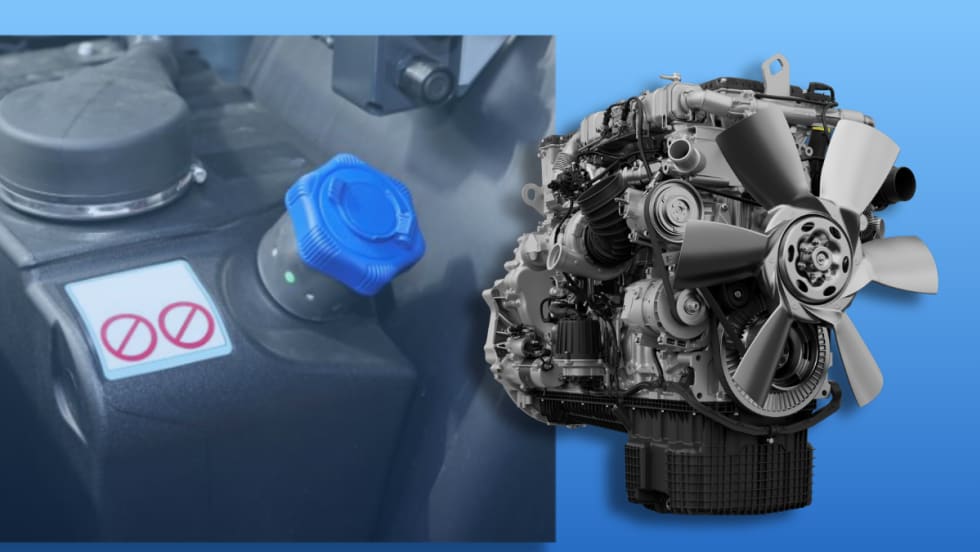
DTNA Software Update Gives Truckers More Time Before DEF Derates Take Effect
The changes reflect EPA guidance aimed at reducing downtime caused by emissions-system faults while maintaining compliance requirements.
Read More →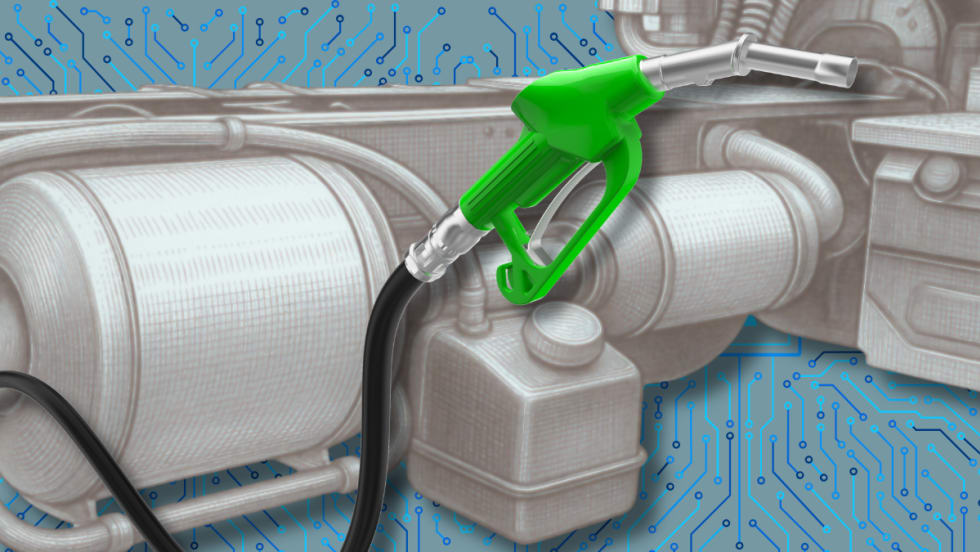
New Agentic Predictive Maintenance Report Demonstrates How Degraded Aftertreatment Systems Waste Fuel
Questar analyzed a large mixed-class fleet and discovered it was wasting as much as $30 in fuel per vehicle, per day, because of mechanically degraded aftertreatment systems.
Read More →
New York City's Microhub Project is Delivering Results
Trucking, last-mile delivery companies, and environmental advocates like what they are seeing so far with New York's microhub program.
Read More →