




Gas vs. Diesel: The Bad Investment Only Fleet Managers Know About
Argonne Lab Offers Heavy-Duty Vehicle Emissions Calculator
This online resource was created to provide state officials and fleet managers with an accurate tool to gauge emissions reductions across various medium- and heavy-duty vehicle project options affiliated with the Volkswagen Environmental Mitigation Trust Settlement.
by Staff
February 1, 2018
Photo via NGVAmerica.
2 min to read

Argonne National Laboratory launched the Heavy-Duty Vehicle Emissions Calculator (HDVEC) at a presentation at FedFleet 2018 in Washington, D.C. This online resource was created to provide state officials and fleet managers with an accurate tool to gauge emissions reductions across various medium- and heavy-duty vehicle project options affiliated with the Volkswagen Environmental Mitigation Trust Settlement. NGVAmerica welcomes the HDVEC tool as reflecting current vehicle availability and emissions performance data and congratulates Argonne on its success.
“As public officials begin to evaluate how best to clean their state’s air with their allotted VW Trust funding, this resource will prove vital in evaluating cost-effectiveness of real-world vehicle options,” said Andrew Burnham of Argonne’s Center for Transportation Research. “The Vehicle Emissions Calculator is a valuable tool for policymakers, fleet managers and procurement administrators alike as they look to compare vehicle technologies for emissions reductions associated with fleet operations.”
Available at the Argonne website and linked at the NGVAmerica’s website, the HDVEC estimates the vehicle operation nitrogen oxide (NOx) and fine particulate matter (PM2.5) as well as the well-to-wheel greenhouse gas emissions (GHGs) of current commercially-available alternative fuel medium- and heavy-duty vehicles eligible for funding under the VW settlement. Volkswagen’s $2.9 billion Environmental Mitigation Trust fund provides each state an incredible opportunity to make an immediate and tangible impact on air quality by targeting medium- and heavy-duty vehicles, the leading source of these toxic air contaminants in almost every metropolitan area.
“Heavy-duty vehicles are the fastest growing segment of U.S. transportation in terms of energy use and emissions, and HDVs are major emitters of NOx, diesel particulate matter, and greenhouse gases,” said NGVAmerica President Daniel Gage. “Mobile sources account for 50 percent of America’s smog-precursor emissions like NOx. This calculator demonstrates that allocating funds to deploy low-NOx natural gas vehicles provides the best way to deliver immediate and cost-effective NOx reductions and air quality benefit.”
The tool can calculate results for three project types allowable under the Trust Settlement:
Environmental Mitigation with Scrappage – new alternative fuel versus diesel, plus additional benefit from early retirement of the scrapped vehicle.
Environmental Mitigation with Repower – vehicle after repower versus diesel before repower.
Clean Vehicle Replacement – new alternative fuel versus diesel.
The HDVEC was developed using Argonne’s Alternative Fuel Life-Cycle Environmental and Economic Transportation Tool (AFLEET) available here. AFLEET Tool 2017 uses emissions data from both the U.S. Environmental Protection Agency’s Motor Vehicle Emission Simulator and Argonne’s Greenhouse gases, Regulated Emissions, and Energy use in Transportation models.
More Fuel Smarts
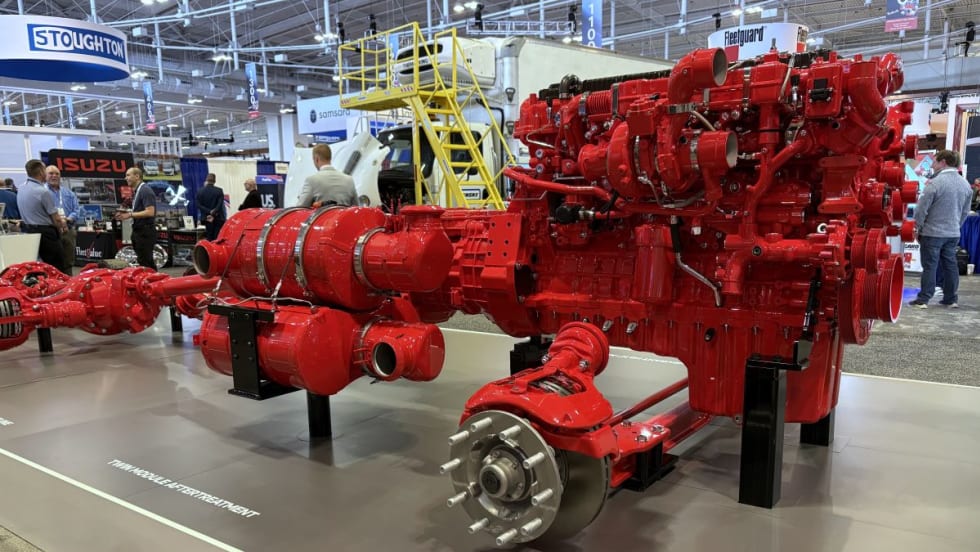
Cummins Adjusts 2027 Engine Rollout After EPA Proposal
The engine maker will gradually introduce its new Model Year 2027 diesel engines while continuing to offer current models during the transition, citing the EPA's proposed emissions rule changes.
Read More →
EPA Proposal Could Ease 2027 Truck Costs and Buying Uncertainty
The proposal doesn't change the tougher NOx standard, but it would revise key implementation requirements that manufacturers say have driven up costs and complicated fleet purchasing decisions.
Read More →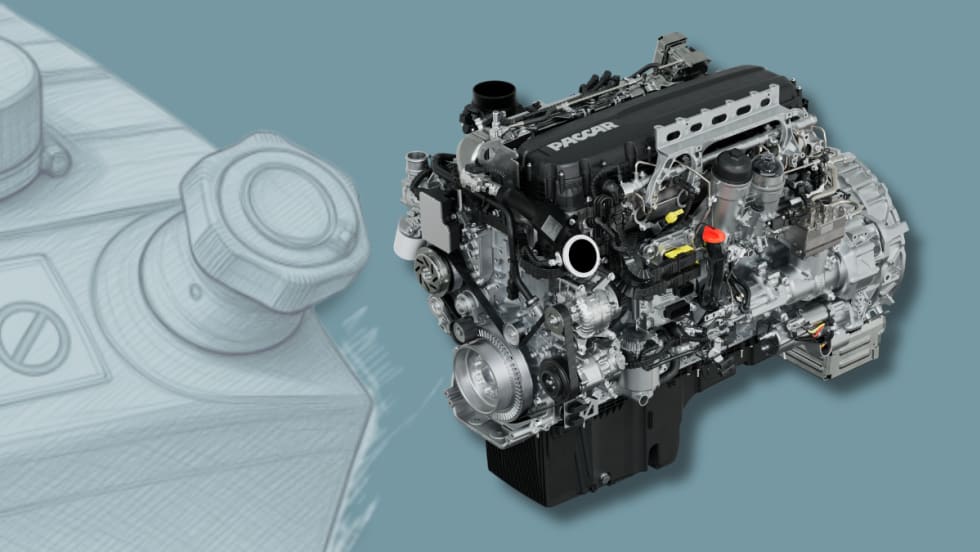
Cummins, Paccar Ease DEF Derates After EPA Guidance
Updated diesel engine software gives truck operators more time to address emissions-system issues while staying compliant with EPA emissions standards.
Read More →
Maintenance in the Messy Middle Part 3: Biodiesel
Biodiesel can reduce emissions, improve fuel-system lubricity and use existing diesel infrastructure. But NACFE’s Messy Middle maintenance report says fleets must actively manage storage, cold-weather operation, filters and oil drain intervals to avoid problems.
Read More →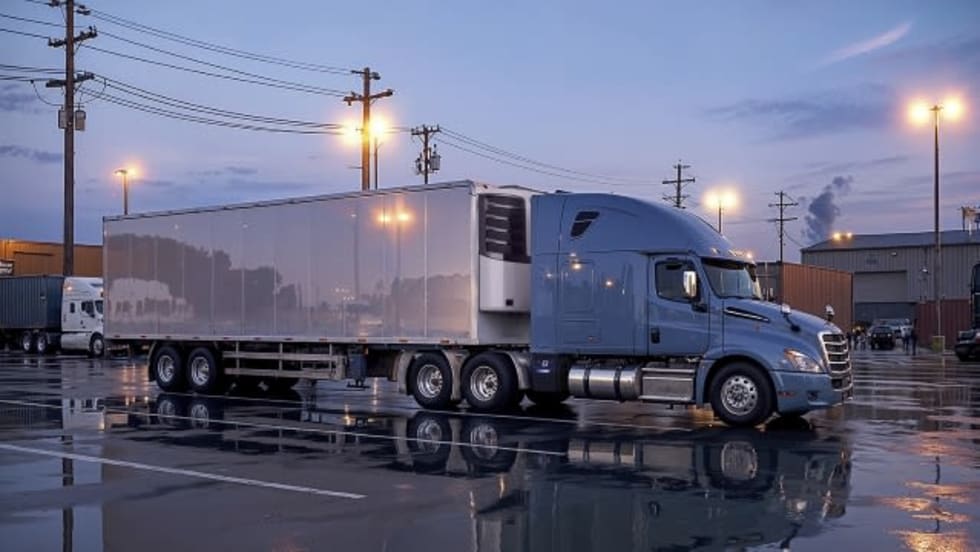
Enhance Fleet Performance with High-Efficiency Auxiliary Power Units
Drive sustainable cost savings while increasing driver comfort during short- and long-haul logistics operations.
Read More →
Maintenance in the ‘Messy Middle’ Part 2: Renewable Diesel Fuel
NACFE's latest Messy Middle Powertrain Service & Maintenance report says renewable diesel gives fleets an opportunity to reduce carbon emissions without changing trucks, fueling infrastructure or maintenance practices. But technicians still need to understand several important operational differences.
Read More →
The Diesel Engine Enters NACFE’s ‘Messy Middle’
NACFE’s new Messy Middle Powertrain Service & Maintenance report says keeping modern diesel engines running now depends as much on software, diagnostics and data as traditional mechanical service.
Read More →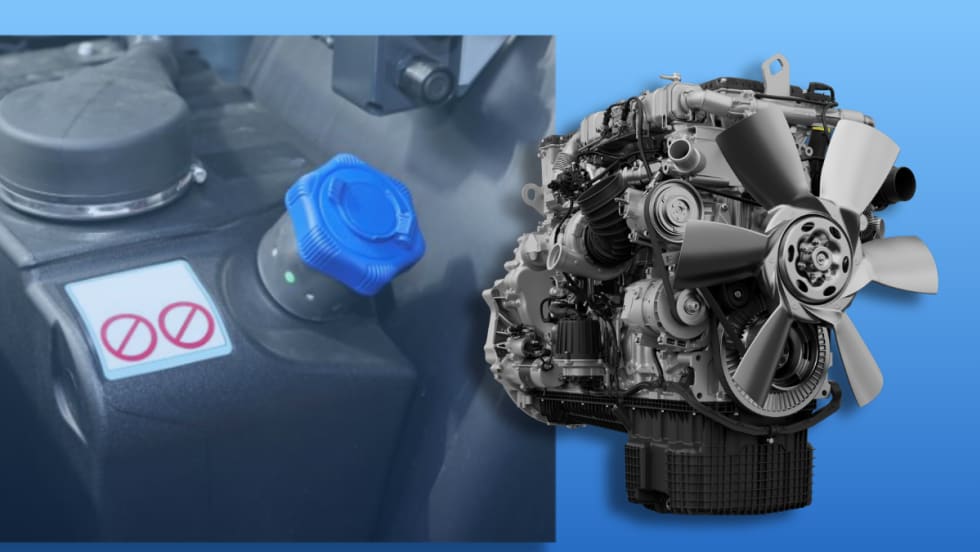
DTNA Software Update Gives Truckers More Time Before DEF Derates Take Effect
The changes reflect EPA guidance aimed at reducing downtime caused by emissions-system faults while maintaining compliance requirements.
Read More →
New Agentic Predictive Maintenance Report Demonstrates How Degraded Aftertreatment Systems Waste Fuel
Questar analyzed a large mixed-class fleet and discovered it was wasting as much as $30 in fuel per vehicle, per day, because of mechanically degraded aftertreatment systems.
Read More →
New York City's Microhub Project is Delivering Results
Trucking, last-mile delivery companies, and environmental advocates like what they are seeing so far with New York's microhub program.
Read More →