




EPA, CARB Certify Cummins Westport ISX12N Natural Gas Engine
Cummins Westport announced that the Environmental Protection Agency and California Air Resources Board have certified the 2018 ISX12N natural gas engine.
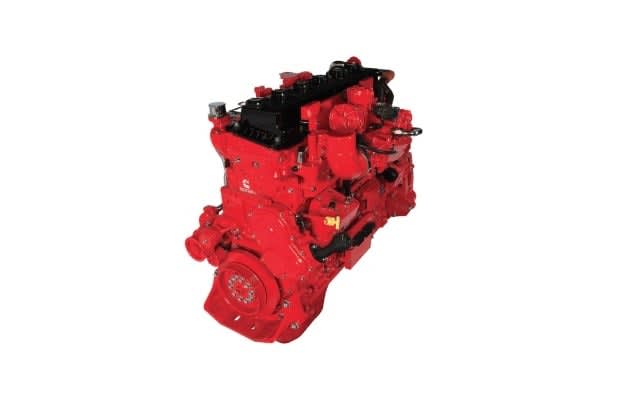
ISX12N Natural Gas Engine Photo: Cummins Westport
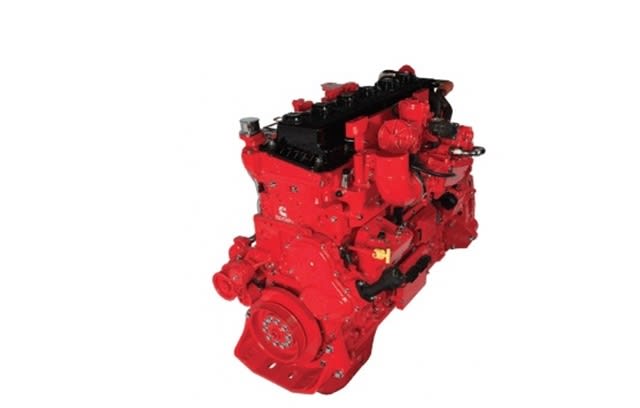
ISX12NNatural Gas Engine Photo: Cummins Westport
Cummins Westport announced that the Environmental Protection Agency and California Air Resources Board have certified the 2018 ISX12N natural gas engine.
The ISX12N was certified to meet CARB’s optional low NOx standard of 0.02 g/bhp-hr, a 90% reduction from engines operating at the current EPA NOx limit of 0.2 g/bhp-hr, according to CWI. The ISX12N also meets 2017 EPA greenhouse gas emission requirements.
Based on the ISX12 G, first introduced in 2013, the ISX12N natural gas engine will be available with ratings from 320 to 400 horsepower and up to 1,450 lb-ft. of peak torque. The ISX12N is designed for line haul, regional haul, refuse, and vocational trucks, as well as motorcoach and commuter buses.
Like Cummins Westport’s new L9N and B6.7N engines, the ISX12N will feature a new engine control module with improved durability, on-board diagnostics, an enhanced, maintenance-free three-way catalyst, and a closed crankcase ventilation system, according to the company.
All CWI engines offer customers the choice of using compressed natural gas, liquefied natural gas, or renewable natural gas as a fuel. RNG is pipeline-quality natural gas produced from the decomposition of organic waste, which can come from a variety of sources such as dairy farms, landfills, and urban waste treatment plants. Combining Cummins Westport’s ultra-low emission engines with RNG fuel provides additional GHG reductions, according to CWI.
“Cummins Westport’s 2018 product line offers customers ultra low emissions with reliable performance,” said Bart van Aerle, president of Cummins Westport. “The ISX12N near-zero emissions natural gas engine provides truck and bus customers with an industry-leading alternative fuel option for demanding applications.”
Production will begin in February of 2018.
More Fuel Smarts
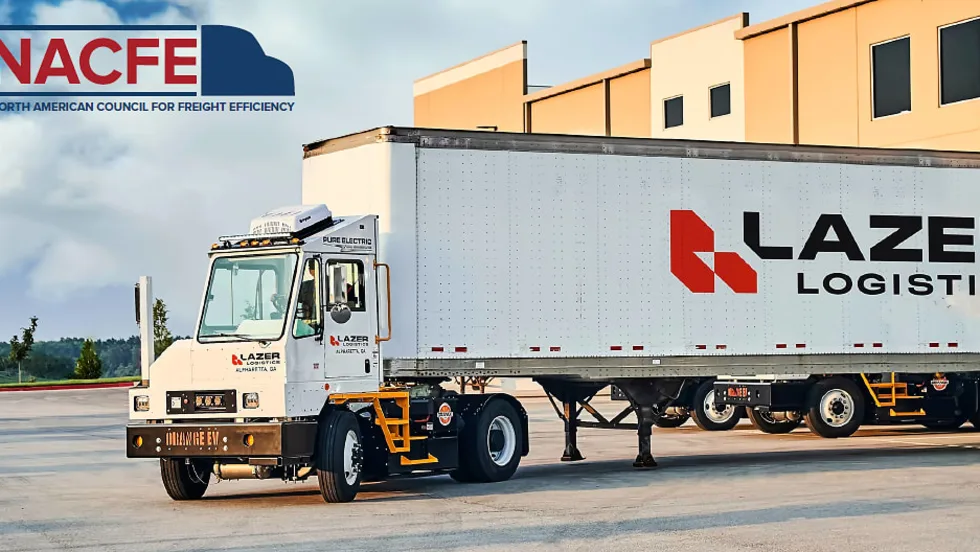
Electric Yard Tractors Move Beyond Pilots
Operating-cost savings have overtaken sustainability goals as the leading reason surveyed fleets are adopting battery-electric terminal tractors, according to new NACFE research.
Read More →
Geotab Links Fleet Card to Vehicle Data
The new card combines fuel discounts with telematics-based purchase controls. Geotab’s analysis also points to potential savings from choosing lower-priced fuel stops.
Read More →
Fleet Economics Shape Electric Truck Outlook
ACT Research expects costs, charging infrastructure, and technology improvements to drive zero-emission commercial vehicle adoption as federal regulations and incentives retreat.
Read More →

Wex Adds Cardless Fuel Payments for Over-the-Road Customers
A new fuel card feature for Wex customers offers convenience and security.
Read More →
New California Law Could Shed Light on Electric Truck Prices
Why do battery-electric Class 8 trucks remain so expensive? A California bill signed by Gov. Gavin Newsom would give fleets and state agencies more visibility into what manufacturers charge.
Read More →
How Volvo Updated Its D13 for EPA 2027 [Watch]
Volvo’s updated D13 promises lower emissions without sacrificing performance or fuel economy. Take a closer look at what changed inside the engine in this HDT Spotlight video.
Read More →
Diesel Price Spike Shortens Payback for Natural Gas Trucks, Report Says
Energy Vision estimates fleets could recover the higher purchase price of an RNG-fueled Class 8 tractor in 1.3 to 2.8 years under current fuel-price scenarios.
Read More →
Calstart Becomes Catalyst Mobility, Reflecting Broader Focus
Calstart is now Catalyst Mobility, reflecting the nonprofit’s growing national role in clean transportation, including zero-emission trucks, infrastructure and incentive programs.
Read More →
Record Diesel Prices Squeeze Trucking Fleets
Average U.S. diesel prices have climbed to nearly $6 a gallon, surpassing the 2022 record as tight refinery capacity and Middle East disruptions keep fuel costs elevated.
Read More →
How Fuel Delivery Shapes Engine Performance
Fuel delivery depends on more than what happens at the injector. For fleet, maintenance and technical professionals, looking at the full path from pump to injector can provide useful context for understanding engine performance.
Read More →