




Refuse Trucks Driving Up Natural Gas Fuel Use
An increase in heavy-duty natural gas use is being driven by the refuse industry, which has been adding new natural gas-powered trucks in significant volumes, according to ACT Research.
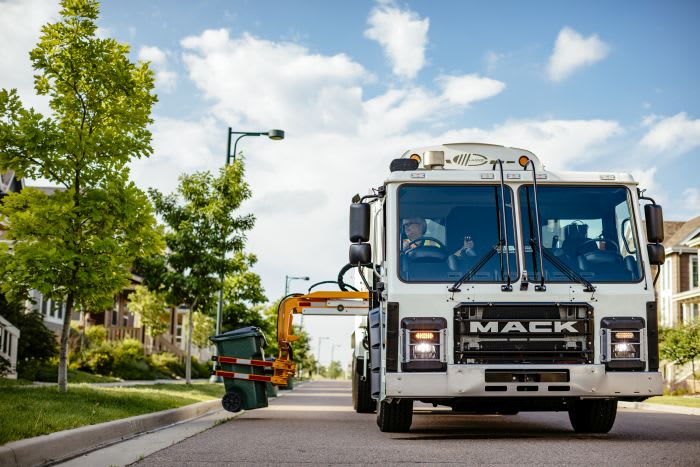
ACT Research analysts indicate that refuse is the lead market segment in converting heavy-duty vehicles to natural gas. Photo: Mack Trucks

An increase in heavy-duty natural gas use is being driven by the refuse industry, which has been adding new natural gas-powered trucks in significant volumes, according to ACT Research.
In its latest On-Highway Commercial Vehicle Engine Outlook, ACT Research analysts indicate that refuse is the lead market segment in converting heavy-duty vehicles to natural gas. The refuse industry is intent on furthering a progressive, green image, according to ACT.
Mega refuse hauler Waste Management operates more than 6,000 natural gas-powered trucks and has 100 refueling stations across the country, 25 of which offfer public access.
“They [WM] have established natural gas fueling stations, allowing for cost-effective overnight refueling and making refueling available to other natural gas users,” said Tom Rhein, president of Rhein Associates. “They are also strongly focused on using renewable natural gas to further reduce vehicle emissions by using landfill gas, a significant fuel savings.”
In the report, ACT analysts also see increased interest in electric vehicles by commercial fleets, with medium-duty applications likely to be the first to enter service. ACT noted trhat companies like Workhorse are offering a commercial chassis for walk-in type vans for package delivery companies.
“At the North American Commercial Vehicle Show in Atlanta, Navistar and Volkswagen Truck & Bus Group announced plans to develop an electric-powered, medium-duty vehicle for launch in U.S. and Canada in 2019, using VW Group’s chargE concept,” said Rhein. “In November, Navistar announced an electric powertrain using the chargE concept for its IC school bus, also available in 2019.”
To read ACT Research's full report, go to ACTResearch.net
More Fuel Smarts
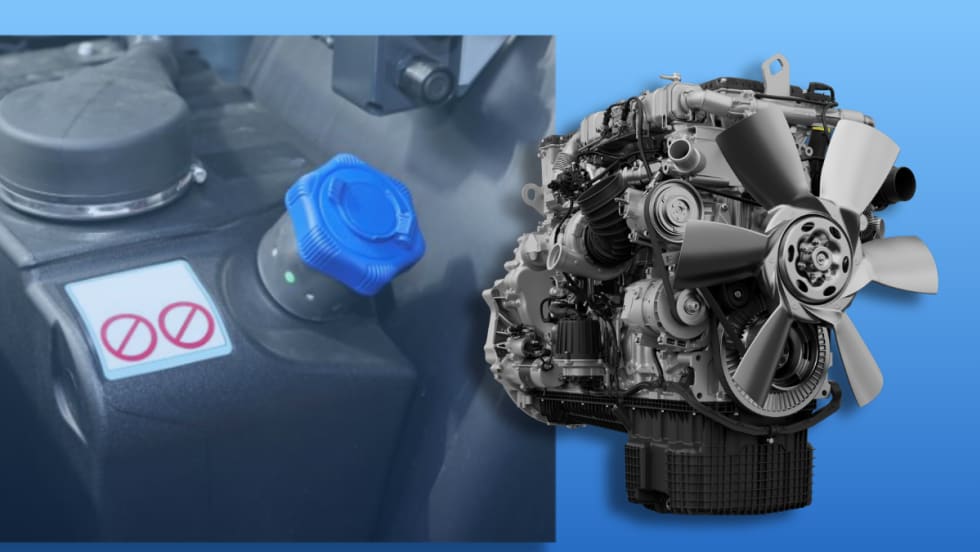
DTNA Software Update Gives Truckers More Time Before DEF Derates Take Effect
The changes reflect EPA guidance aimed at reducing downtime caused by emissions-system faults while maintaining compliance requirements.
Read More →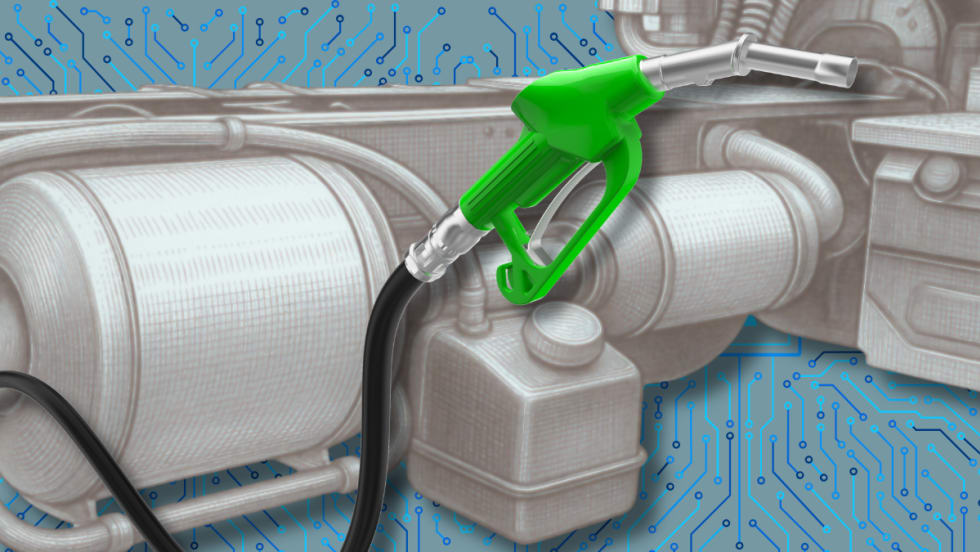
New Agentic Predictive Maintenance Report Demonstrates How Degraded Aftertreatment Systems Waste Fuel
Questar analyzed a large mixed-class fleet and discovered it was wasting as much as $30 in fuel per vehicle, per day, because of mechanically degraded aftertreatment systems.
Read More →
New York City's Microhub Project is Delivering Results
Trucking, last-mile delivery companies, and environmental advocates like what they are seeing so far with New York's microhub program.
Read More →
Lessons Learned About Alternative Fuels: Start Small, Stay Flexible
Practical advice on adopting alternative fuels and ZEVs from HDT's 2026 Top Green Fleets, from renewable diesel and natural gas to electric trucks.
Read More →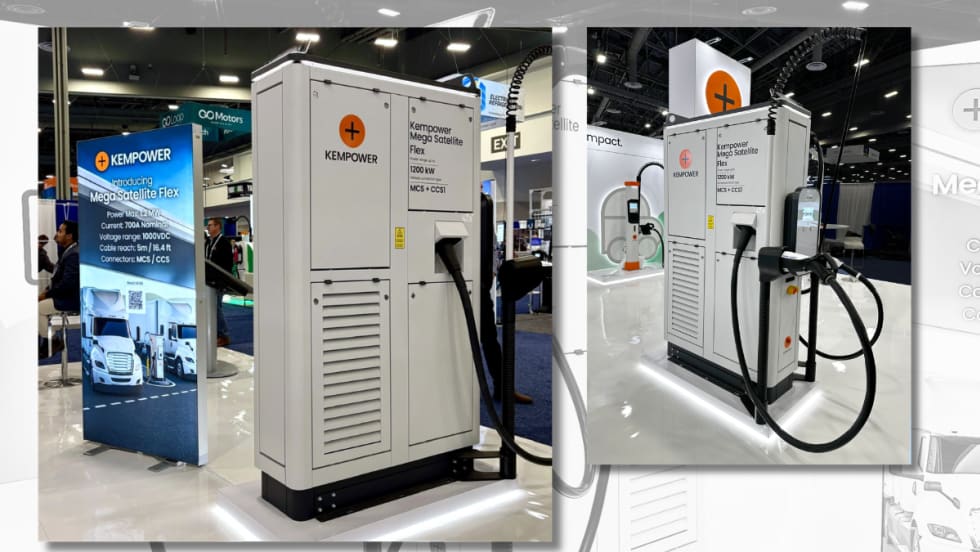
Kempower Adds Flex EV Charger to Help Support Transition to Megawatt Charging
The Kempower Mega Satellite Flex has both a CCS and MCS connector, allowing operators to serve both types of heavy-duty vehicles.
Read More →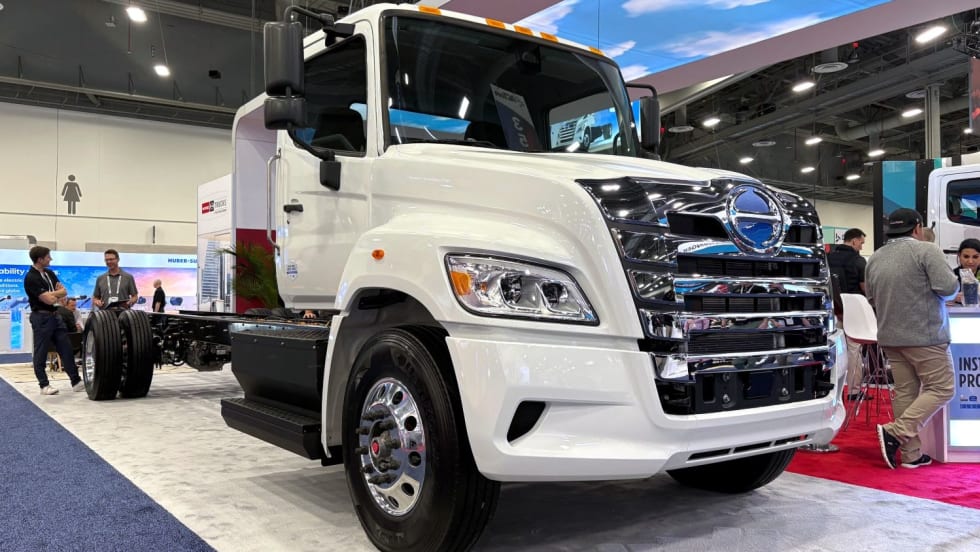
Hino Adds Electric Class 6/7 Truck
Hino says the Le Series is an important step in the company's efforts to reduce environmental impact and support its customers’ sustainability goals.
Read More →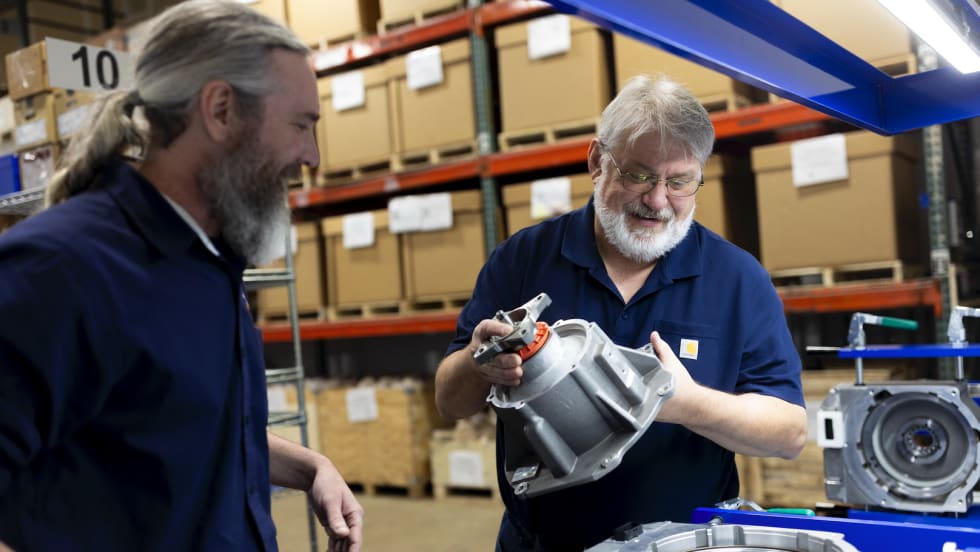
Can Multi-Speed EV Transmissions Solve Heavy Trucking’s Biggest Electric-Vehicle Problems?
A startup called Sigma Powertrain believes purpose-built multi-speed gearboxes can boost efficiency, reduce battery size and improve gradeability for heavy-duty battery-electric trucks.
Read More →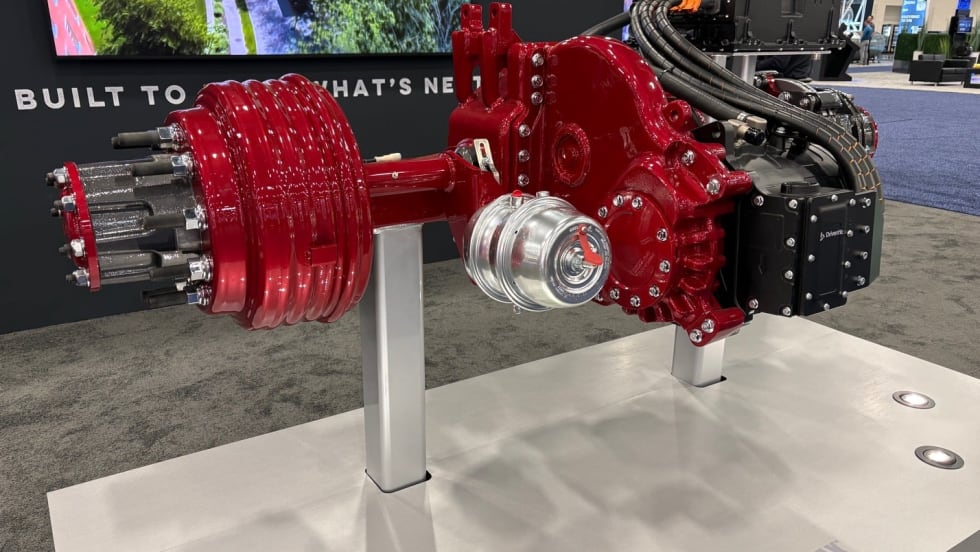
Hendrickson Debuts Electraax E-Axle for Medium-Duty Trucks
Developed with Driventic, Hendrickson's new integrated e-axle is designed to improve efficiency, reduce weight, and extend range in Class 6-7 EV applications.
Read More →
50 Ways Fleets Can Cut Fuel Costs Now — Without Buying New Trucks
Fuel savings don’t come from one big change. They come from dozens of small ones. Here’s how leading fleets are stacking gains across drivers, routing, maintenance, and more.
Read More →
Top Green Fleets 2026: How Fleets Are Reducing Emissions in the Real World
What works in sustainable trucking today? Heavy Duty Trucking's Top Green Fleets are finding practical ways to cut fuel use, reduce emissions, and keep freight moving.
Read More →