




Related: Aerodynamic Devices Can Translate Into Fast Fuel Savings
XStream Offers Speed-Sensitive Trailer Gap Aerodynamic Device
XStream Trucking says its new, speed-sensitive, TruckWings trailer gap aerodynamic system can deliver fuel savings while reducing emissions.
by Staff
November 13, 2017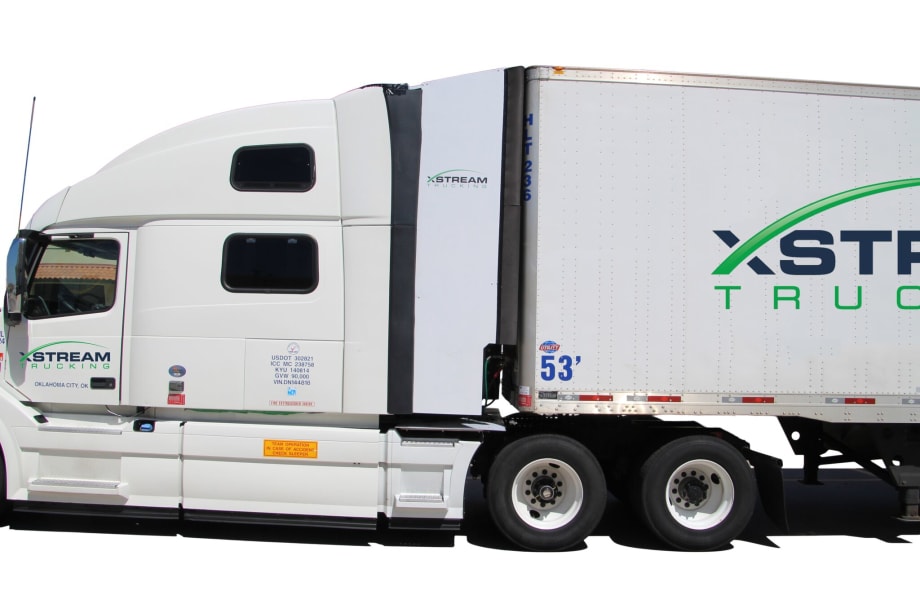
XStream Trucking says that in addition to fuel savings, drivers report a much smoother ride in crosswinds with its TruckWing trailer gap device deployed. Photo: XStream Trucking
2 min to read

XStream Trucking has introduced TruckWings, which it calls an “active-aero device” that automatically deploys at highway speeds to deliver streamlined aerodynamics, fuel savings, and lower carbon emissions.
According to Daniel Burrows, the company’s founder and CEO, TruckWings features a patented design, that has been developed through years of wind tunnel, track, and road testing and is designed to work at highway speeds. The system automatically deploys large panels to cover the sides and top of the tractor-trailer gap. The panels, which are made of high-impact, glass-reinforced composites, create a continuous connection between the truck and trailer that allows the air to flow smoothly over the entire length of the truck. When the truck slows down, the panels retract without driver intervention, providing the necessary clearance for turns at any angle.
“There have been significant investments made in improving truck aerodynamics in other areas,” Burrows said. “TruckWings is the first device which completely solves the turbulence problem created by the open area between the tractor and trailer that contributes significantly to a truck’s overall aerodynamic drag. Since two-thirds of a truck’s fuel bill is spent overcoming that drag, there is a huge savings to be had by reducing it.”
"The exciting thing about TruckWings is that it is the first solution to automatically and completely enclose the sides and top of the tractor-trailer gap,” said Mike Roeth, Executive Director of the North American Council for Freight Efficiency, NACFE. “This gap area presents as much as a 5% opportunity with little to no other solutions available for truckers today. We performed their first independent on-road fuel economy test in 2016 and XStream has always taken a very customer led, data-driven product development approach."
“We see TruckWings performing particularly well on routes with high winds. Crosswinds push a wedge of air flow into the gap area, hitting the front of the trailer direct on. TruckWings cleanly prevent this buffeting and this is where we see our highest fuel savings.” said Burrows, “Drivers feel the improvement in windy conditions and report much smoother rides with less lane drift.”
Burrows said the company is offering several options for truck and fleet owners interested in adding TruckWings to their tractors, including a shared-savings model and outright purchasing.
More Fuel Smarts
Cummins, Paccar Ease DEF Derates After EPA Guidance
Updated diesel engine software gives truck operators more time to address emissions-system issues while staying compliant with EPA emissions standards.
Read More →
Maintenance in the Messy Middle Part 3: Biodiesel
Biodiesel can reduce emissions, improve fuel-system lubricity and use existing diesel infrastructure. But NACFE’s Messy Middle maintenance report says fleets must actively manage storage, cold-weather operation, filters and oil drain intervals to avoid problems.
Read More →
Sponsored•July 1, 2026
Enhance Fleet Performance with High-Efficiency Auxiliary Power Units
Drive sustainable cost savings while increasing driver comfort during short- and long-haul logistics operations.
Read More →
Maintenance in the ‘Messy Middle’ Part 2: Renewable Diesel Fuel
NACFE's latest Messy Middle Powertrain Service & Maintenance report says renewable diesel gives fleets an opportunity to reduce carbon emissions without changing trucks, fueling infrastructure or maintenance practices. But technicians still need to understand several important operational differences.
Read More →
The Diesel Engine Enters NACFE’s ‘Messy Middle’
NACFE’s new Messy Middle Powertrain Service & Maintenance report says keeping modern diesel engines running now depends as much on software, diagnostics and data as traditional mechanical service.
Read More →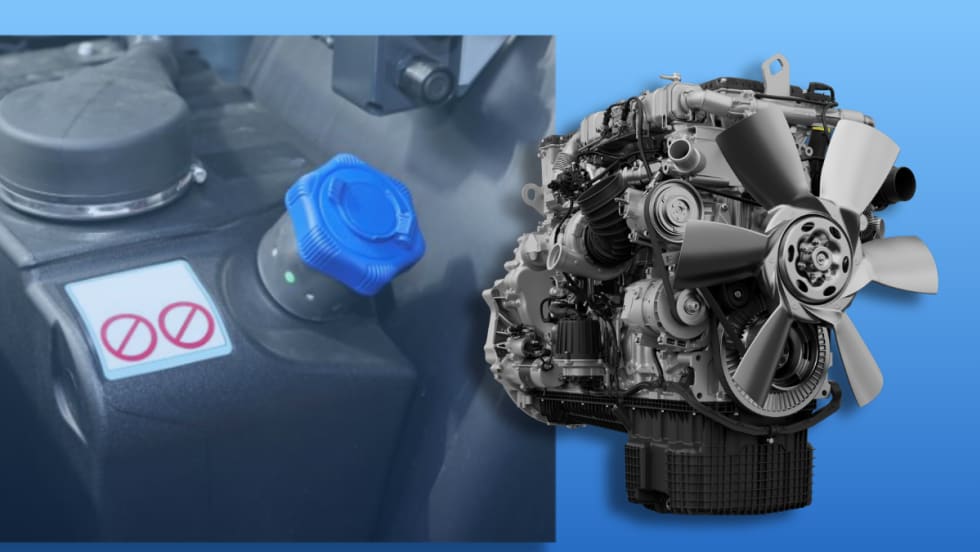
DTNA Software Update Gives Truckers More Time Before DEF Derates Take Effect
The changes reflect EPA guidance aimed at reducing downtime caused by emissions-system faults while maintaining compliance requirements.
Read More →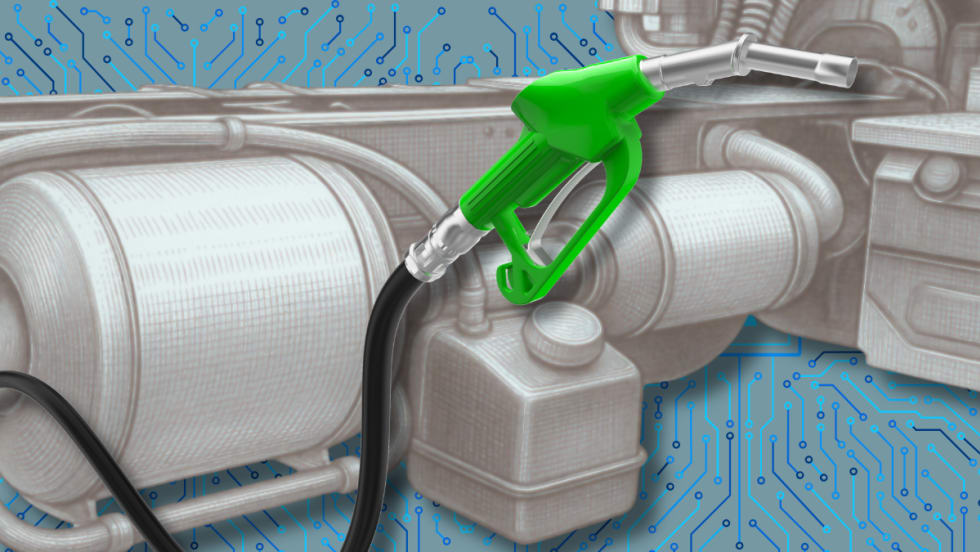
New Agentic Predictive Maintenance Report Demonstrates How Degraded Aftertreatment Systems Waste Fuel
Questar analyzed a large mixed-class fleet and discovered it was wasting as much as $30 in fuel per vehicle, per day, because of mechanically degraded aftertreatment systems.
Read More →
New York City's Microhub Project is Delivering Results
Trucking, last-mile delivery companies, and environmental advocates like what they are seeing so far with New York's microhub program.
Read More →
Lessons Learned About Alternative Fuels: Start Small, Stay Flexible
Practical advice on adopting alternative fuels and ZEVs from HDT's 2026 Top Green Fleets, from renewable diesel and natural gas to electric trucks.
Read More →
Kempower Adds Flex EV Charger to Help Support Transition to Megawatt Charging
The Kempower Mega Satellite Flex has both a CCS and MCS connector, allowing operators to serve both types of heavy-duty vehicles.
Read More →