




Transportation Group Opposes De-Funding Diesel Emissions Reduction Act
A large group representing manufacturers, transportation associations, and clean air and health advocates sent a letter to the House of Representatives opposing a proposed amendment to the House Interior-EPA appropriations bill that would remove all funding for the Diesel Emissions Reduction Act.
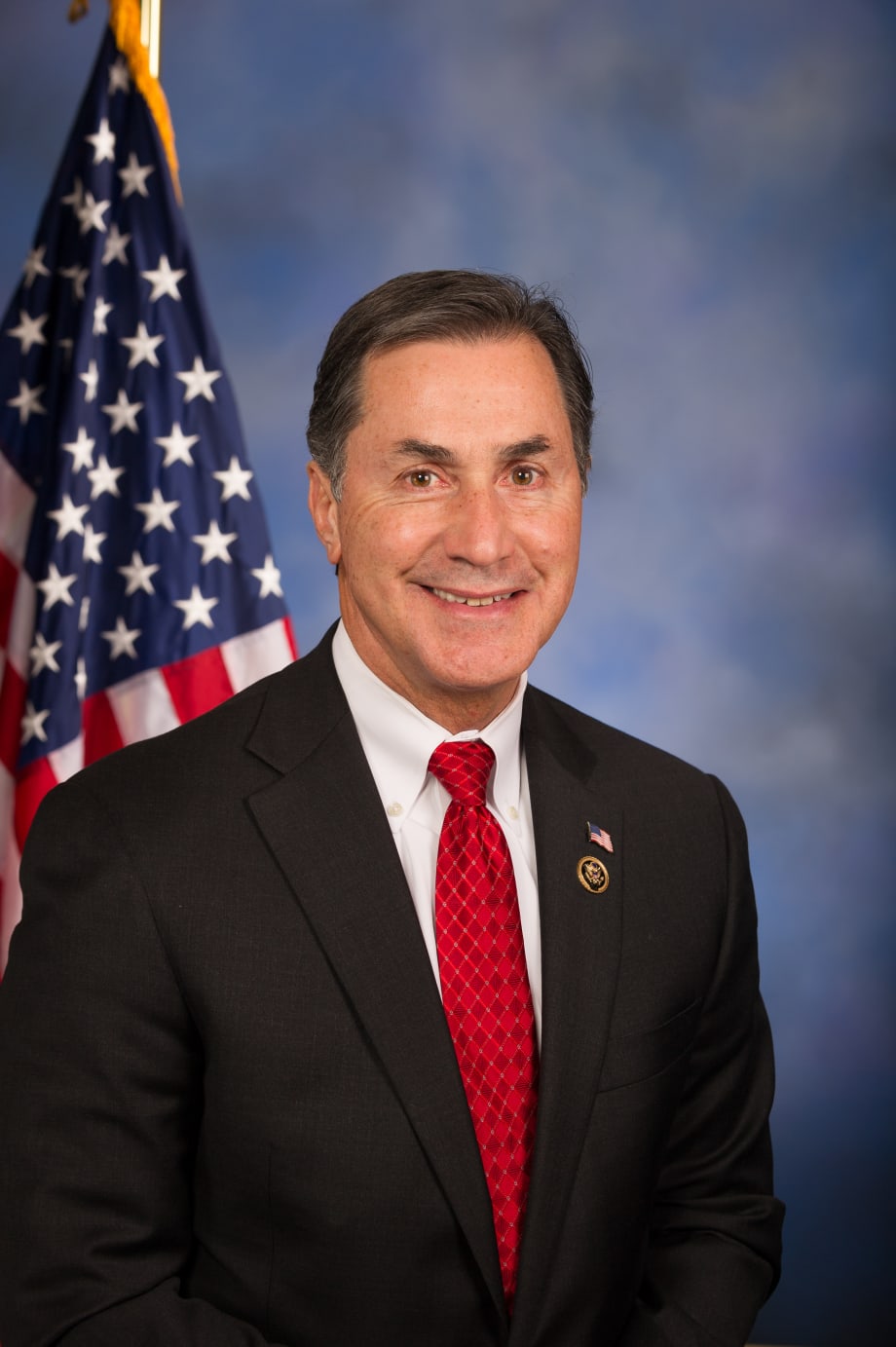
Congressman Gary Palmer (R-AL) has introduced an amendment that would defund the Diesel Emissions Reduction Act. Photo: Office of Rep. Gary Palmer
Congressman Gary Palmer (R-AL) has introduced an amendment that would defund the Diesel Emissions Reduction Act. Photo:Office of Rep. Gary Palmer
A large group representing manufacturers, transportation associations, and clean air and health advocates sent a letter to the House of Representatives opposing a proposed amendment to the House Interior-EPA appropriations bill that would remove all funding for the Diesel Emissions Reduction Act.
DERA provides incentives such as grants and rebates for equipment and vehicle owners to retrofit existing heavy-duty diesel vehicles and engines or replace them altogether as a means of reducing emissions. EPA estimates that the program has upgraded nearly 73,000 vehicles and pieces of equipment since 2005.
In a letter to Congress, the group urged members to oppose the amendment by Rep. Gary Palmer (R-AL), which would strike all funding for the program. DERA is currently up for reauthorization, and a bipartisan bill from Reps. Ted Poe (R-TX) and Doris Matsui (D-CA) would reauthorize the program through fiscal year 2022 with no changes to the program.
The group argues that DERA been one of the most cost-effective federal clean air programs and helps to improve air quality at schools, construction sites, highways, rail yards, and ports. The bipartisan program passed the Senate by a 92-1 vote and by unanimous consent twice since then and by voice vote in the House in 2010. It receives funding from required non-federal matching funds for projects seeking funding.
It is estimated that every $1 in federal assistance is met with $3 in non-federal matching funds, including investments from the private sector.
“The DERA program is still needed to help speed adoption of highly cost-effective emission control technologies for the millions of diesel vehicles which do not meet the most recent emission control standards," the group stated in its letter.
The letter was signed by the following companies and associations:
Advance Engine Systems Institute • Alabama State Port Authority • American Association of Port Authorities • American Association of Railroads • American Highway Users Alliance • American Lung Association • American Power Group • American Trucking Associations • Associated General Contractors • Baltimore City Public Schools • Caterpillar Inc. • Clean Air Task Force • Connecticut Operators of School Transportation Association • Corning Incorporated • Cummins Inc. • Diesel Technology Forum • EDF Action • Emission Control Technology Association • IC Bus • Indiana State School Bus Drivers Association • Manufacturers of Emission Controls Association • Minnesota School Bus Operators Association • NAFA Fleet Management Association • National Association of Clean Air Agencies • National Association for Pupil Transportation • National Association of State Directors of Pupil Transportation Services • National School Transportation Association • Natural Resources Defense Council • New York School Bus Contractors Association • Pennsylvania School Bus Association • Port of Portland • Port of Seattle • Port of Vancouver, USA • School Transportation Association of Massachusetts • South Coast Air Quality Management District • State of Delaware, Department of Education • The Northwest Seaport Alliance • The Port Authority of New York and New Jersey • Thomas Built Buses • Truck and Engine Manufacturers Association • Umicore Autocat Inc. • United Motorcoach Association • Volvo Group • Wisconsin School Bus Association
More Fuel Smarts
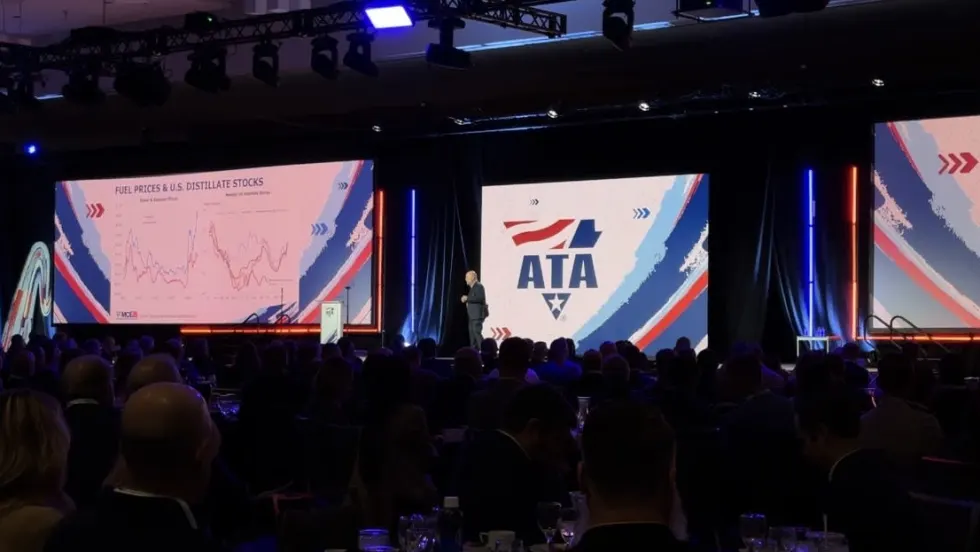
Trucking’s Diesel Squeeze Isn’t Letting Up
With diesel topping $6 a gallon nationally, ATA's Bob Costello explains why fleets should prepare for continued pressure at the pump.
Read More →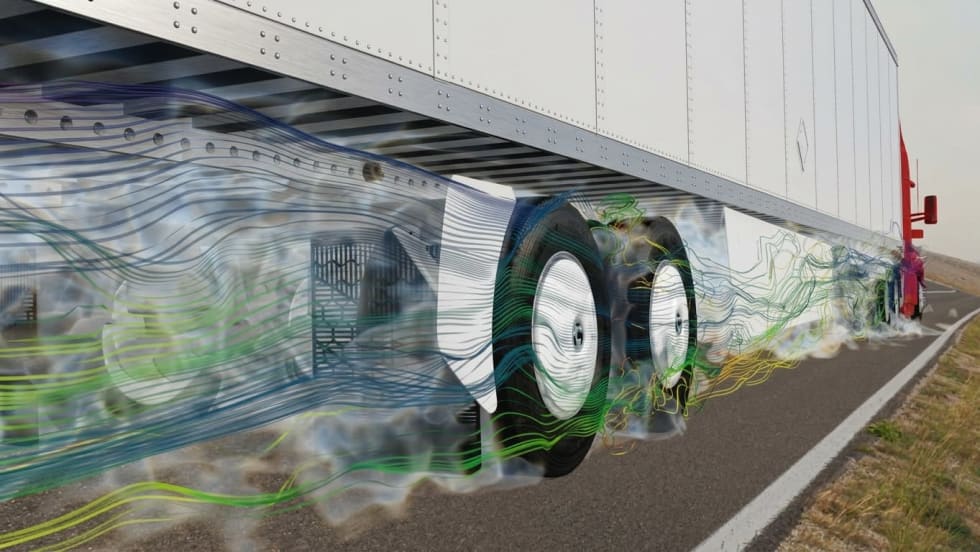
FlowBelow Redesigns Trailer AeroSlider to Cut Fuel Use
The lighter trailer aerodynamic system installs in less than 45 minutes, according to the company, with potential payback in under a year depending on fuel prices and trailer mileage.
Read More →
Why Diesel Price Relief Efforts May Fall Short
Diesel prices have eased from September’s record high, but doubts about additional Russian supply and limits on dyed-diesel tax relief mean trucking fleets still face expensive fuel. And prices could go higher.
Read More →
Why Small Fuel Savings Matter in Trucking
Can better fuel economy help pay for driver raises? In this podcast, GP Transco explains how small efficiency gains create room to reinvest in its people.
Read More →
How GP Transco Cuts Trucking Fuel Costs, a Tenth of a Gallon at a Time
What’s another tenth of a mile per gallon worth? GP Transco shares how equipment upgrades and driver coaching turn small gains into meaningful fuel savings.
Read More →
Electric Yard Tractors Move Beyond Pilots
Operating-cost savings have overtaken sustainability goals as the leading reason surveyed fleets are adopting battery-electric terminal tractors, according to new NACFE research.
Read More →
Geotab Links Fleet Card to Vehicle Data
The new card combines fuel discounts with telematics-based purchase controls. Geotab’s analysis also points to potential savings from choosing lower-priced fuel stops.
Read More →
Fleet Economics Shape Electric Truck Outlook
ACT Research expects costs, charging infrastructure, and technology improvements to drive zero-emission commercial vehicle adoption as federal regulations and incentives retreat.
Read More →
Wex Adds Cardless Fuel Payments for Over-the-Road Customers
A new fuel card feature for Wex customers offers convenience and security.
Read More →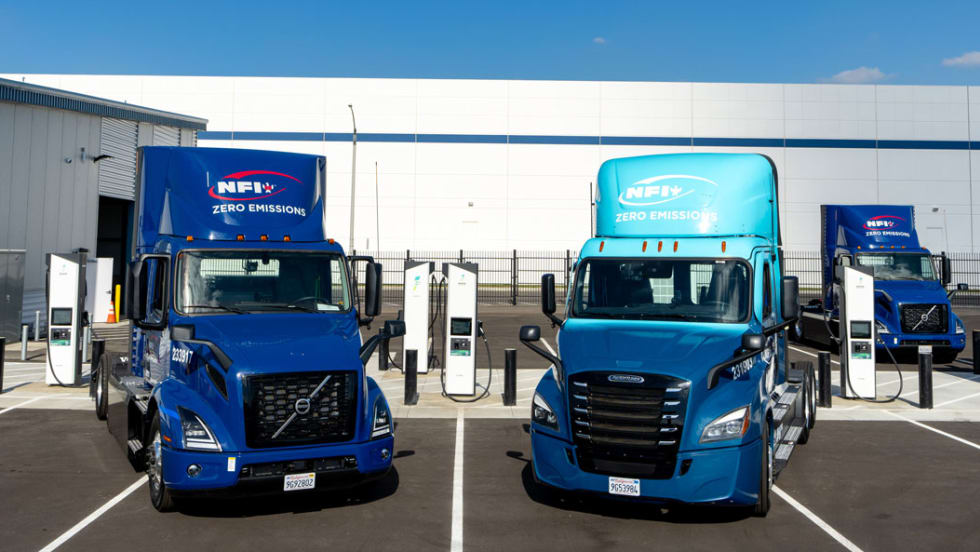
New California Law Could Shed Light on Electric Truck Prices
Why do battery-electric Class 8 trucks remain so expensive? A California bill signed by Gov. Gavin Newsom would give fleets and state agencies more visibility into what manufacturers charge.
Read More →