




Related: Why U.S. Xpress is Getting Help With Fuel Economy Testing
Pit Group to Evaluate Fuel Efficiency of 5 Tire Brands
Pit Group's Spring Energotest in Blainville, Quebec, Canada, will focus on the fuel economy of tires, evaluating the efficiency of five brands.
by Staff
June 2, 2017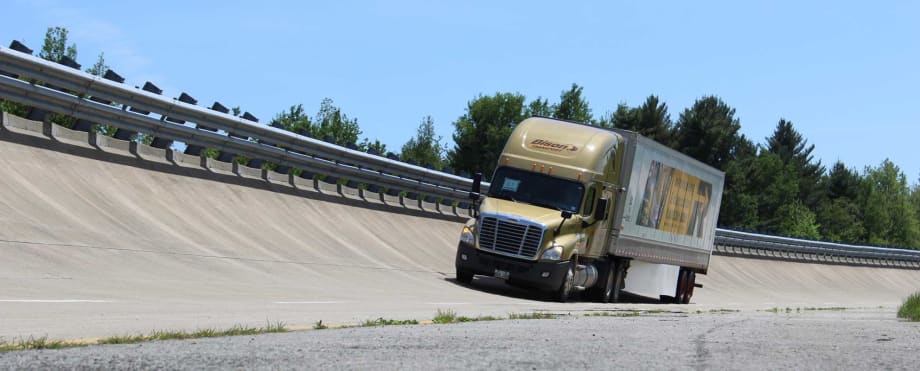
Photo: Pit Group
2 min to read
Photo: Pit Group
Pit Group announced that its Spring Energotest in Blainville, Quebec, Canada, will focus on the fuel economy of tires, evaluating the efficiency of five brands. The test will take place on June 9 at the Transport Canada test track.
During Energotest, tires from BF Goodrich, Bridgestone, Continental, Goodyear, and Michelin will undergo a series of fuel economy tests using stringent protocols to measure the performance of each tire.
Pit Group is a research and engineering group focused on improving fleet maintenance and operations in the North American transportation industry.
“Pit Group fleet members met in March to identify testing and R&D priorities for the coming year,” said Yves Provencher, business development manager, intelligent transportation at Pit Group. “Each member lists issues they are facing and our engineers create a list of potential items to test. Members then vote to identify their top 10 priorities. This year, fleet members voted to focus on tire fuel economy.”
The tire tests planned for Energotest will be based on TMC Type II and Type III Fuel Consumption Test Procedures, according to Pit Group. The Type II test will compare each brand using a control tire brand. Type III testing will test each tire on several identical vehicles, by switching tires from one test vehicle to another between tests, to clearly measure the impact on fuel consumption.
Additional testing topics identified by fleet members for evaluation in the future by the PIT Group include:
Fuel economy of trailer gap closing technologies and reefer fuel consumption
Impact of advanced driver assist systems
Reliability of tire inflation systems
Comparison between drum and disc brakes.
Pit Group fleet members also identified important maintenance issues, including corrosion mitigation and DPF cleaning systems, and the impact of predictive cruise control, a topic on which Pit Group will run an operational study.
Pit Group also announced that Loblaw Inc., a Canadian food and pharmacy network of corporate and independently operated stores, has joined its member roster. Loblaw joined Pit Group to take advantage of Energotest, Pit’s research results, and networking opportunities. Pit Group now has 46 fleet members.
More Fuel Smarts
Trucking’s Diesel Squeeze Isn’t Letting Up
With diesel topping $6 a gallon nationally, ATA's Bob Costello explains why fleets should prepare for continued pressure at the pump.
Read More →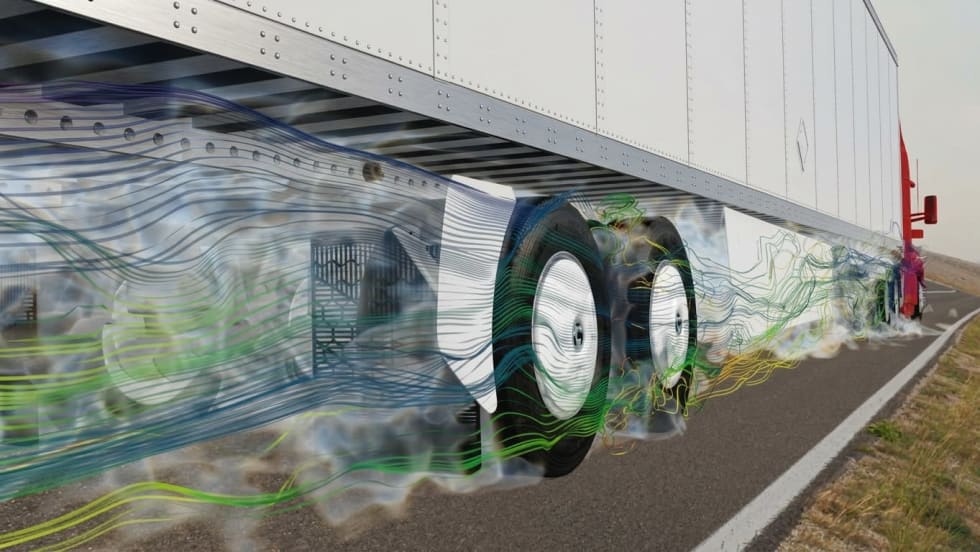
FlowBelow Redesigns Trailer AeroSlider to Cut Fuel Use
The lighter trailer aerodynamic system installs in less than 45 minutes, according to the company, with potential payback in under a year depending on fuel prices and trailer mileage.
Read More →
Why Diesel Price Relief Efforts May Fall Short
Diesel prices have eased from September’s record high, but doubts about additional Russian supply and limits on dyed-diesel tax relief mean trucking fleets still face expensive fuel. And prices could go higher.
Read More →
Why Small Fuel Savings Matter in Trucking
Can better fuel economy help pay for driver raises? In this podcast, GP Transco explains how small efficiency gains create room to reinvest in its people.
Read More →
How GP Transco Cuts Trucking Fuel Costs, a Tenth of a Gallon at a Time
What’s another tenth of a mile per gallon worth? GP Transco shares how equipment upgrades and driver coaching turn small gains into meaningful fuel savings.
Read More →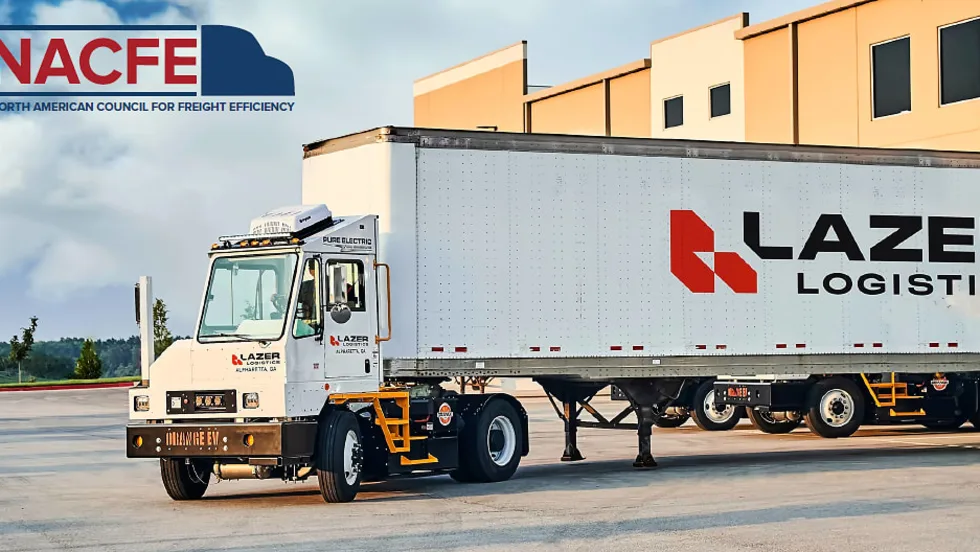
Electric Yard Tractors Move Beyond Pilots
Operating-cost savings have overtaken sustainability goals as the leading reason surveyed fleets are adopting battery-electric terminal tractors, according to new NACFE research.
Read More →
Geotab Links Fleet Card to Vehicle Data
The new card combines fuel discounts with telematics-based purchase controls. Geotab’s analysis also points to potential savings from choosing lower-priced fuel stops.
Read More →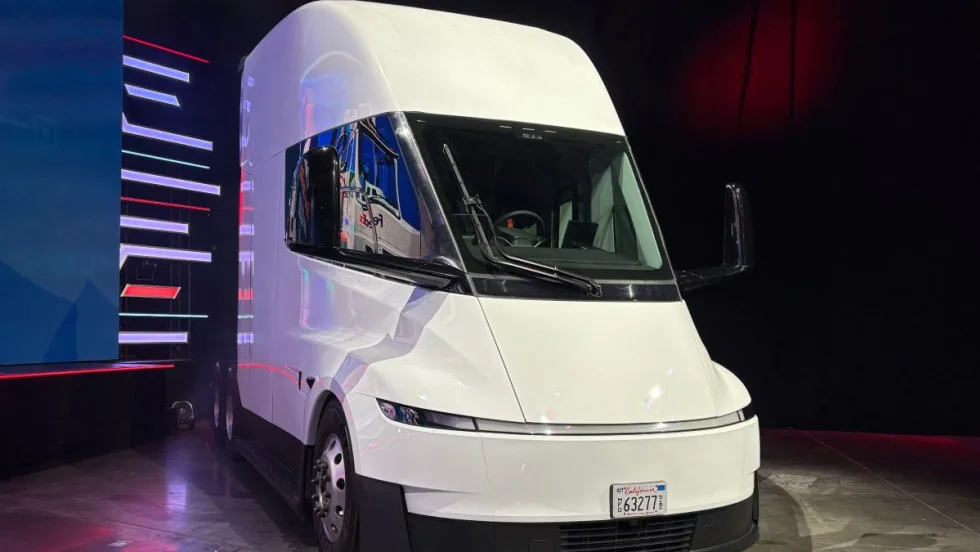
Fleet Economics Shape Electric Truck Outlook
ACT Research expects costs, charging infrastructure, and technology improvements to drive zero-emission commercial vehicle adoption as federal regulations and incentives retreat.
Read More →
Wex Adds Cardless Fuel Payments for Over-the-Road Customers
A new fuel card feature for Wex customers offers convenience and security.
Read More →
New California Law Could Shed Light on Electric Truck Prices
Why do battery-electric Class 8 trucks remain so expensive? A California bill signed by Gov. Gavin Newsom would give fleets and state agencies more visibility into what manufacturers charge.
Read More →