




Natural Gas Road Rally Kicks Off In Long Beach
The Natural Gas Road Rally Across America has kicked off in Long Beach, Calif., sending several heavy-duty trucks and other vehicles powered by natural gas on a coast-to-coast road trip to Washington, D.C.
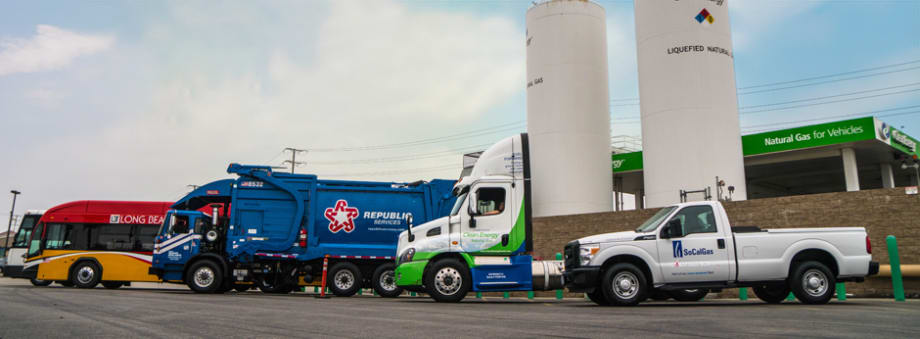
Photo: Clean Energy Fuels
Photo: Clean Energy Fuels
The Natural Gas Road Rally Across America has kicked off in Long Beach, Calif., sending several heavy-duty trucks and other vehicles powered by natural gas on a coast-to-coast road trip to Washington, D.C.
The event was attended by representatives from the California Natural Gas Vehicle Coalition, which is calling for the adoption of low nitrous oxide emission heavy-duty truck technology powered by renewable natural gas in the Clean Air Action Plan of the San Pedro Bay Ports.
The rally is a 4,825-mile cross country trip sponsored by NGVAmerica. It aims to demonstrate the benefits of clean trucks and cars fueled by natural gas. Many vehicles powered by natural gas will participate in the two-week trek across America, stopping at various locations such as Albuquerque, N.M., Tulsa, Okla., Salisbury, N.C., and Newport News, Va., among others. At each stop, advocates for natural gas vehicles will give educational demonstrations highlighting the importance of natural gas as a clean fueling source.
The Rally’s spotlight on natural gas trucks is relevant to the Long Beach area where heavy-duty diesel trucks regularly haul goods from the ports of Los Angeles and Long Beach every day. Around 80% of the region’s smog is estimated to come from the transportation sector, with the largest contributor of the pollution being heavy-duty trucks moving in and out of the ports complex, according to CNGVC. Replacing some of these vehicles with cleaner-burning natural gas trucks could have a significant impact on local air quality.
“NGVAmerica and its membership, including companies like Clean Energy and SoCalGas, believe that natural gas-fueled vehicles are the best and most immediate solution for eliminating the negative impacts of diesel and combatting climate change,” said Chad Lindholm, vice president of sales for Clean Energy and representative of NGVAmerica. “By putting on this rally, we hope to draw the attention of communities and elected officials that a cleaner solution to diesel is available today.”
The Los Angeles-Long Beach metropolitan area is ranked among the most polluted areas in the nation for high levels of ozone and for levels of year-round particle pollution, according to the most recent “State of the Air” report from the American Lung Association. The study also revealed that asthma disproportionately affects the low-income and minority children.
“Air pollution affects all of us and remains one of our region’s biggest public health issues, particularly for those in disadvantaged neighborhoods near busy transportation corridors,” said Lisa Alexander, SoCalGas vice president of customer solutions and communications and a NGVAmerica board member. “Heavy-duty trucks fueled by renewable natural gas can offer us cleaner air and they can transform those major transportation corridors.”
More Fuel Smarts
Trucking’s Diesel Squeeze Isn’t Letting Up
With diesel topping $6 a gallon nationally, ATA's Bob Costello explains why fleets should prepare for continued pressure at the pump.
Read More →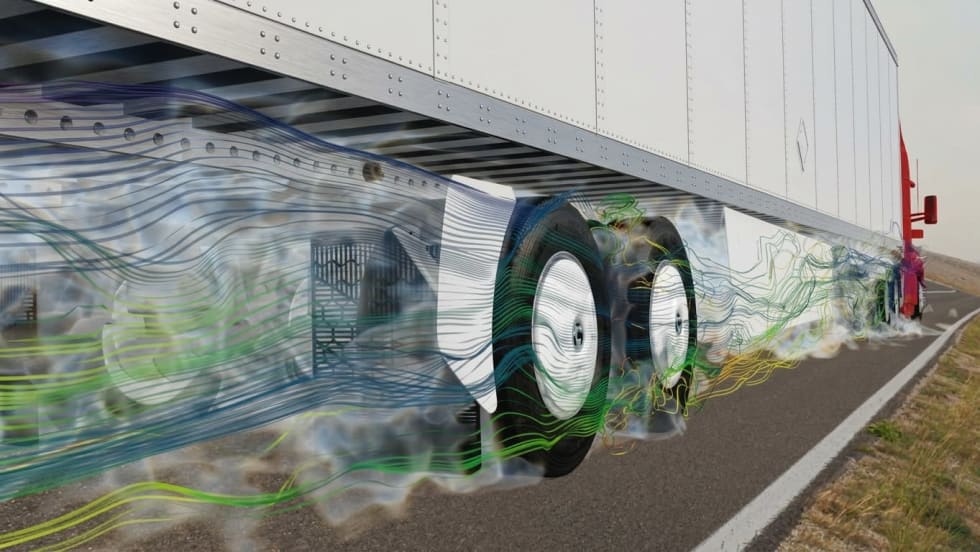
FlowBelow Redesigns Trailer AeroSlider to Cut Fuel Use
The lighter trailer aerodynamic system installs in less than 45 minutes, according to the company, with potential payback in under a year depending on fuel prices and trailer mileage.
Read More →
Why Diesel Price Relief Efforts May Fall Short
Diesel prices have eased from September’s record high, but doubts about additional Russian supply and limits on dyed-diesel tax relief mean trucking fleets still face expensive fuel. And prices could go higher.
Read More →
Why Small Fuel Savings Matter in Trucking
Can better fuel economy help pay for driver raises? In this podcast, GP Transco explains how small efficiency gains create room to reinvest in its people.
Read More →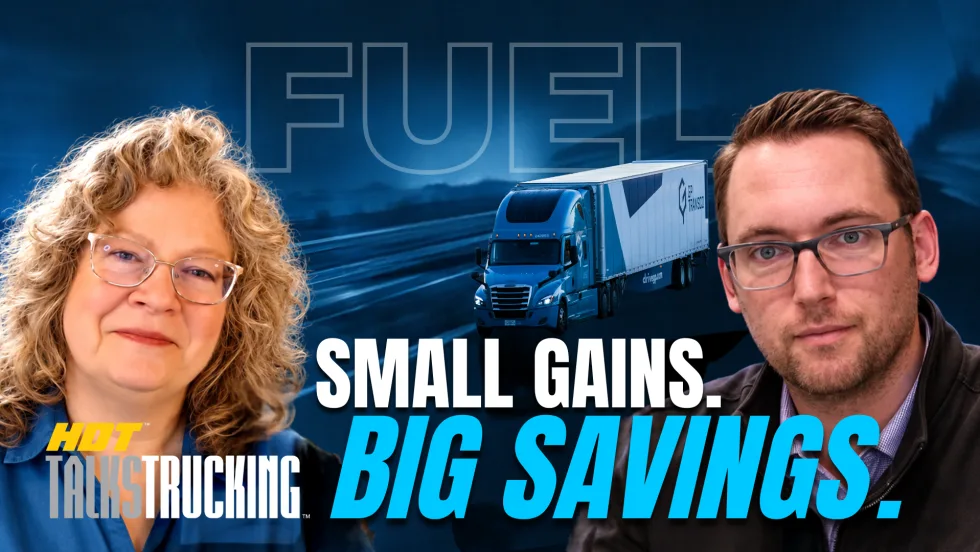
How GP Transco Cuts Trucking Fuel Costs, a Tenth of a Gallon at a Time
What’s another tenth of a mile per gallon worth? GP Transco shares how equipment upgrades and driver coaching turn small gains into meaningful fuel savings.
Read More →
Electric Yard Tractors Move Beyond Pilots
Operating-cost savings have overtaken sustainability goals as the leading reason surveyed fleets are adopting battery-electric terminal tractors, according to new NACFE research.
Read More →
Geotab Links Fleet Card to Vehicle Data
The new card combines fuel discounts with telematics-based purchase controls. Geotab’s analysis also points to potential savings from choosing lower-priced fuel stops.
Read More →
Fleet Economics Shape Electric Truck Outlook
ACT Research expects costs, charging infrastructure, and technology improvements to drive zero-emission commercial vehicle adoption as federal regulations and incentives retreat.
Read More →
Wex Adds Cardless Fuel Payments for Over-the-Road Customers
A new fuel card feature for Wex customers offers convenience and security.
Read More →
New California Law Could Shed Light on Electric Truck Prices
Why do battery-electric Class 8 trucks remain so expensive? A California bill signed by Gov. Gavin Newsom would give fleets and state agencies more visibility into what manufacturers charge.
Read More →