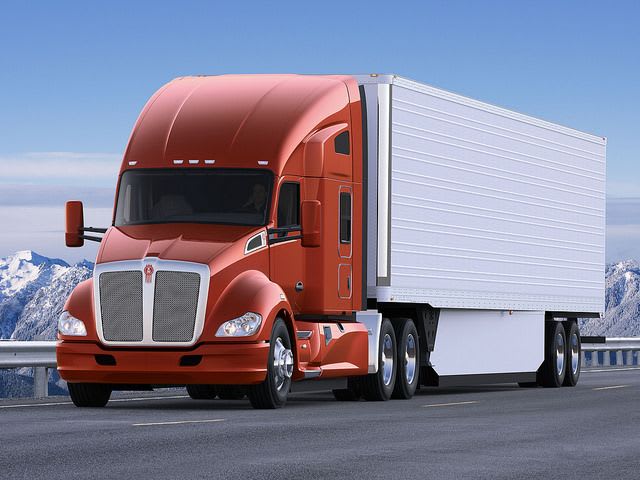
Kenworth has updated its Predictive Cruise Control functionality for T680 and T880 trucks equipped with the 2017 Paccar MX-11, MX-13, and Cummins X15 engines.
by Staff
February 3, 2017
Photo: Kenworth
1 min to read
Photo: Kenworth
Kenworth has updated its Predictive Cruise Control functionality for T680 and T880 trucks equipped with the 2017 Paccar MX-11, MX-13, and Cummins X15 engines to improve fuel economy.
The update was made with the launch of 2017 emission engines and provides up to a 1% improvement in fuel economy over the current versions with Predictive Cruise Control, according to Patrick Dean, Kenworth chief engineer.
Ad Loading...
Kenworth’s Predictive Cruise Control combines GPS with cruise control to deliver the best fuel economy for the situation. The system optimizes cruising speed based on topographical GPS data inputs. As the truck encounters certain types of terrain, such as rolling hills, the system modulated cruising speed to improve performance.
If, for example, a truck ascends and crests a hill, Predictive Cruise Control will allow the vehicle speed to drop slightly below the set cruise speed. This can improve fuel economy since the truck is using momentum instead of fuel to maintain the set cruise speed.
“While the driver interface remains unchanged, drivers who have driven Kenworth trucks with Predictive Cruise Control will notice an improvement in drivability, as well as fuel economy,” said Dean. “Improved drivability and fuel economy were made possible by fine-tuning how the engine modulates speed and torque over a wide variety of actual driving conditions.”
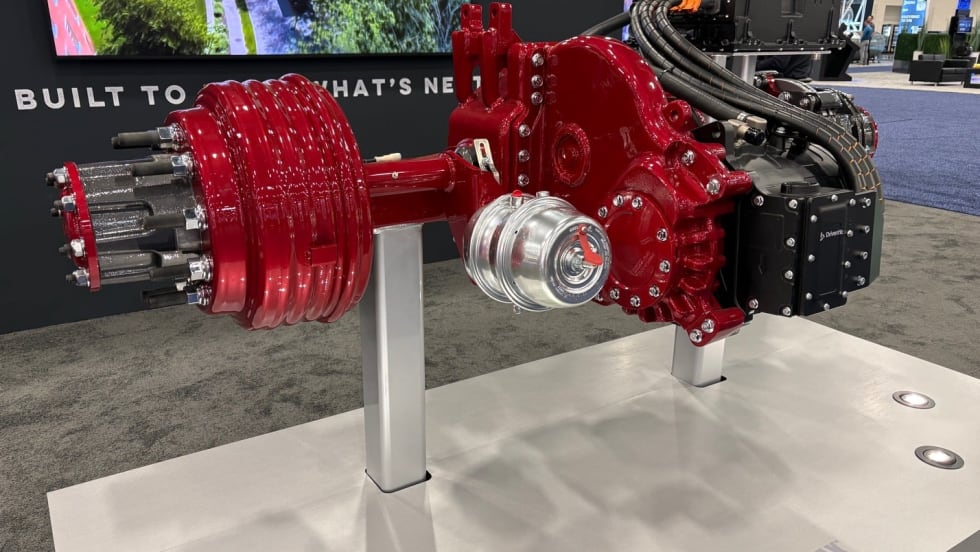
Developed with Driventic, Hendrickson's new integrated e-axle is designed to improve efficiency, reduce weight, and extend range in Class 6-7 EV applications.
Fuel savings don’t come from one big change. They come from dozens of small ones. Here’s how leading fleets are stacking gains across drivers, routing, maintenance, and more.
What works in sustainable trucking today? Heavy Duty Trucking's Top Green Fleets are finding practical ways to cut fuel use, reduce emissions, and keep freight moving.
CARB says the California Clean Fuel Reward program will begin offering point-of-sale rebates of up to $120,000 for electric commercial trucks starting June 26.
Along with unveiling its EPA 2027-compliant MP13 engine, Mack outlined powertrain changes across its Class 6-8 lineup, including new Cummins-based X10 engines.
Volvo says advances in combustion and aftertreatment helped its new EPA 2027 D13 engine avoid the fuel-economy penalties many once expected from tighter NOx emissions limits.
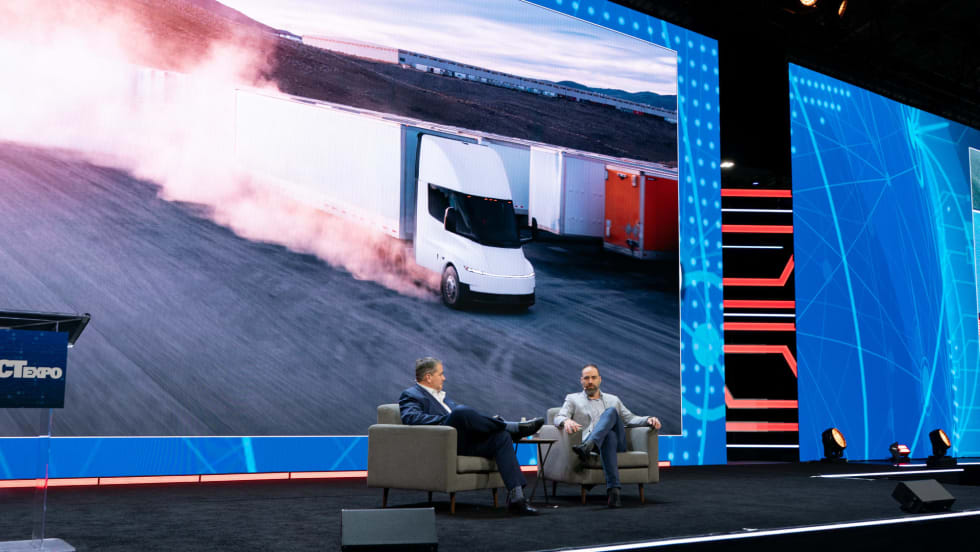
Tesla’s Semi chief at ACT Expo outlined production growth, lower-cost models, charging expansion, and why the company believes fleets are leaving money on the table by waiting on electric trucks.
A new report from the Electrification Coalition outlines key barriers slowing electric truck charging deployment and offers policy solutions to accelerate infrastructure growth.
Westport and Volvo are demonstrating a 500-hp truck with diesel-like efficiency — one that also offers what Westport says is a better pathway to using hydrogen fuel in trucks.