



Diesel prices in the U.S. were down for the second week in a row, taking back some of the gains from the start of he year, according to the latest numbers from the Energy Department.
 MENU
MENU SEARCH
Diesel prices in the U.S. were down for the second week in a row, taking back some of the gains from the start of the year, according to the latest numbers from the Energy Department.
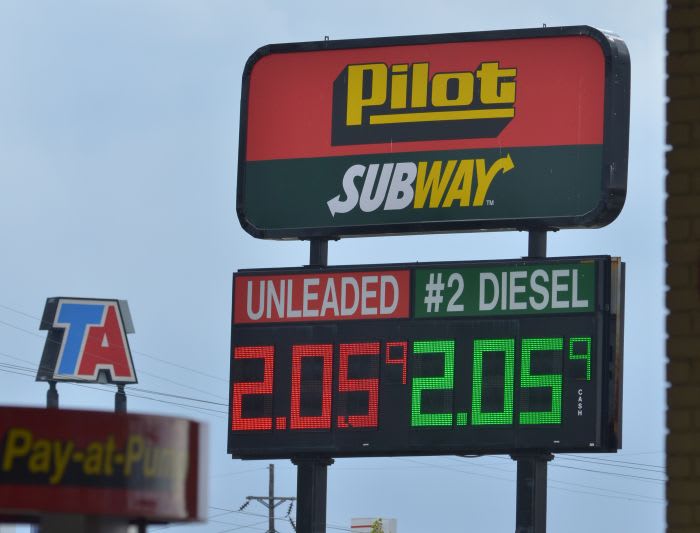
Diesel prices in the U.S. were down for the second week in a row, taking back some of the gains from the start of he year, according to the latest numbers from the Energy Department.
The average price of on-highway diesel fuel fell by 1.6 cents last week, settling at $2.569 per gallon at the pump. That price is still much higher than it was at this point last year, gaining nearly 50 cents compared to 2016.
The drop in average fuel prices was driven mostly by a 2.9-cent decrease in the Midwest, topping all other major regions in the U.S. New England was nearly flat over the same period, losing 0.1 cents for the week.
The average price of regular gasoline was down even more last week, dropping 3.2 cents to $2.326 per gallon. The price of gasoline is currently 47 cents more expensive than it was in the same week a year ago.
By region, the largest decrease in prices occurred in the Midwest, where prices fell by 6.4 cents per gallon. The smallest drop was on the West Coast, where gas prices fell by an average 0.7 cents.
Fuel prices seem to be mirroring the crude oil market, as the price of a barrel of crude oil was down in trading to start the week. Oil prices were trending upward to start the year in anticipation of a deal between OPEC countries to freeze or cut oil production. However, the deal has also reignited U.S. crude oil production, which has subdued any gains, according to a MarketWatch report.
OPEC originally agreed to cut oil production to meet lower global demand and drive up crude oil prices. However, the resulting increase in prices made the U.S. oil industry, particularly the shale oil portion, profitable enough to ramp up production again. This has offset the anticipated price gains, at least in the short term.
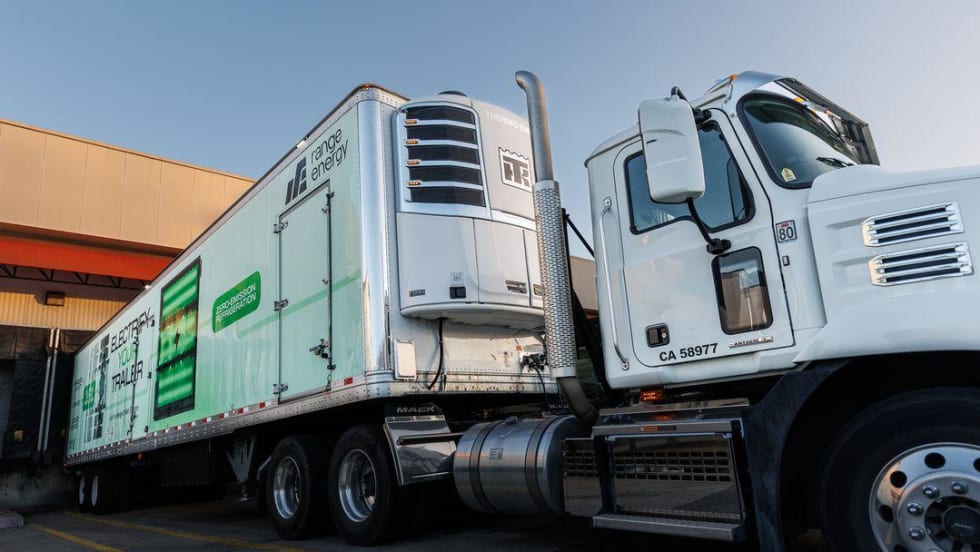
Range Energy said its production-ready eTrailer system proved it can boost stability, safety, and efficiency in sub-zero winter conditions as the company moves toward scaled deployment.
Read More →
Is your company a leader in sustainability efforts among trucking fleets? If so, Heavy Duty Trucking's editors want to hear from you.
Read More →
Watch to learn how Deflecktor's new wheel cover design is taking a simpler approach to aerodynamics, with an eye toward making it more practical for both trucks and trailers.
Read More →
Aerodynamic wheel covers can deliver small but meaningful fuel-economy gains for fleets, and Deflecktor says its latest design aims to make the technology easier and more affordable to deploy.
Read More →
When diesel prices are as volatile as they've been in 2026, it makes it tough for trucking fleets to plan and control costs. Breakthrough Fuel's Jenny Vander Zanden has insights on near-term savings strategies.
Read More →
Practical steps fleets can take to manage fuel costs, from purchasing strategies to driver behavior.
Read More →
Prices jumped another 24 cents in a week, with California topping $7.50 and new data showing fleet fuel costs may already be at record levels.
Read More →
Hydrogen combustion engine trucks will be especially suitable over longer distances and in regions where there is limited charging infrastructure or time for recharging of battery-electric trucks, according to the company.
Read More →
By joining Daimler Truck and Volvo, Toyota brings fuel cell expertise to a joint effort aimed at making hydrogen viable for heavy-duty transport.
Read More →Trucking operators are slowing speeds, cutting empty miles, and declining unprofitable freight as diesel costs continue to rise due to conflict in the Middle East.
Read More →