




Orange EV Approved for Calif. Incentives
Orange EV announced that California fleets can save at least $95,000 per truck on the purchase of brand new T-Series pure electric terminal trucks with the extended-duty battery pack.
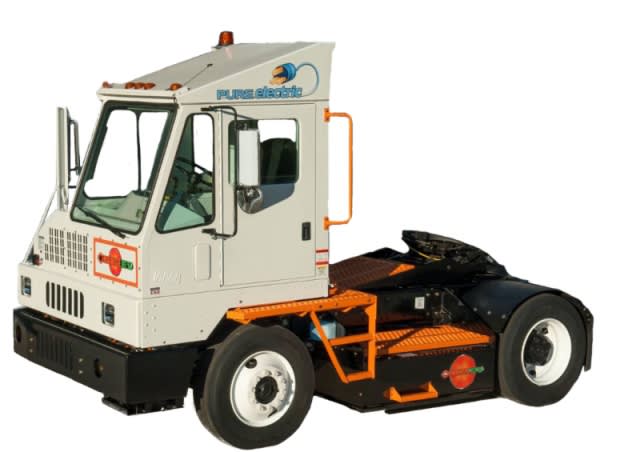
Orange EV Class 8 pure-electric heavy-duty terminal truck. (PHOTO: Orange EV)
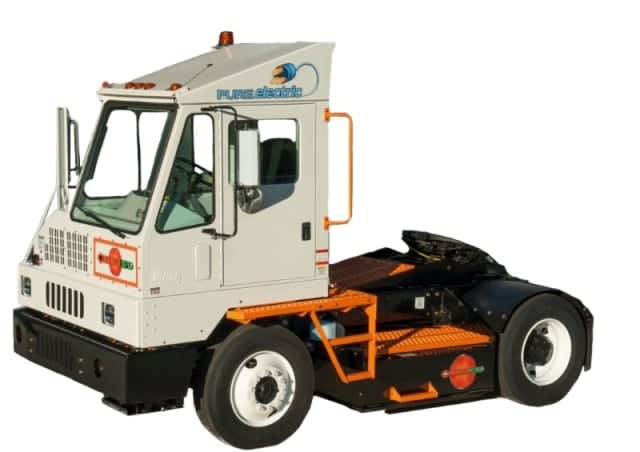
Orange EV Class 8 pure-electric heavy-duty terminal truck. (PHOTO: Orange EV)
Orange EV announced that California fleets can save at least $95,000 per truck on the purchase of brand new T-Series pure electric terminal trucks with the extended-duty battery pack.
Orange EV electric terminal trucks have been operating up to 24-plus hours per charge at sites from single-shifts to 24x7 use in railroad intermodal, LTL freight, manufacturing, retail distribution, waste management, and warehouse container handling. Businesses and organizations with fleets in California can get a preliminary voucher amount of $95,000 per truck, increasable up to $120,000 and stackable with other incentive programs to lower initial purchase price.
Businesses and organizations with fleets in California can get a preliminary voucher amount of $95,000 per truck, increasable up to $120,000 and stackable with other incentive programs to lower initial purchase price.
“California HVIP vouchers dramatically simplify and speed up the process of obtaining funds, thereby accelerating vehicle deployment,” said Mike Saxton, Orange EV chief commercial officer. “Orange EV’s T-series and the corresponding voucher amount are all pre-approved, eliminating uncertainty and enabling fleets to execute deployment plans without having to go out-of-pocket for the additional capital.”
The voucher request including purchase terms & conditions is a total of four pages long; vouchers can be approved within days. Participating fleets commit to operating trucks in California for a minimum of three years, after which they may redeploy vehicles as needed. HVIP funds are paid directly to Orange EV thus directly reducing the capital fleets need to purchase T-Series trucks.
Orange EV has consistently been the first OEM approved, funded and delivering commercially available terminal trucks under incentive programs that can pay more than half of vehicle purchase price. The balance can be financed, further reducing initial cash outlay and helping fleets pay the balance from savings in large expense items like diesel fuel.
Fleets can spend annually on diesel fuel half or more of what they spend to buy the diesel truck in the first place. The penalties companies pay for operating older, dirtier trucks in California further increase the true cost of diesel-powered vehicles. Because fleets can see a reduced total cost of ownership with electric compared to diesel terminal trucks, financing enables them to deploy electric trucks using budgets planned to buy and operate diesel-powered vehicles. Incentives will continue to be an important tool to accelerate initial deployments, but it’s the per truck savings that will drive fleet-wide adoption.
“It makes financial sense to begin deployment now," according to Saxton, "But, if the financial upside of going electric isn’t enough, regulatory mandates have increased the urgency."
Strict mandates like those in California Assembly Bill 32 aim to reduce GHG emissions to 1990 levels by 2020, with another 80 percent reduction below 1990 levels by 2050. Companies adopting now using available incentives are renewing their fleet assets and lowering annual operating costs at a lower capital investment.
To learn more about Orange EV’s pure electric terminal trucks visit www.OrangeEV.com.
More Fuel Smarts
Trucking’s Diesel Squeeze Isn’t Letting Up
With diesel topping $6 a gallon nationally, ATA's Bob Costello explains why fleets should prepare for continued pressure at the pump.
Read More →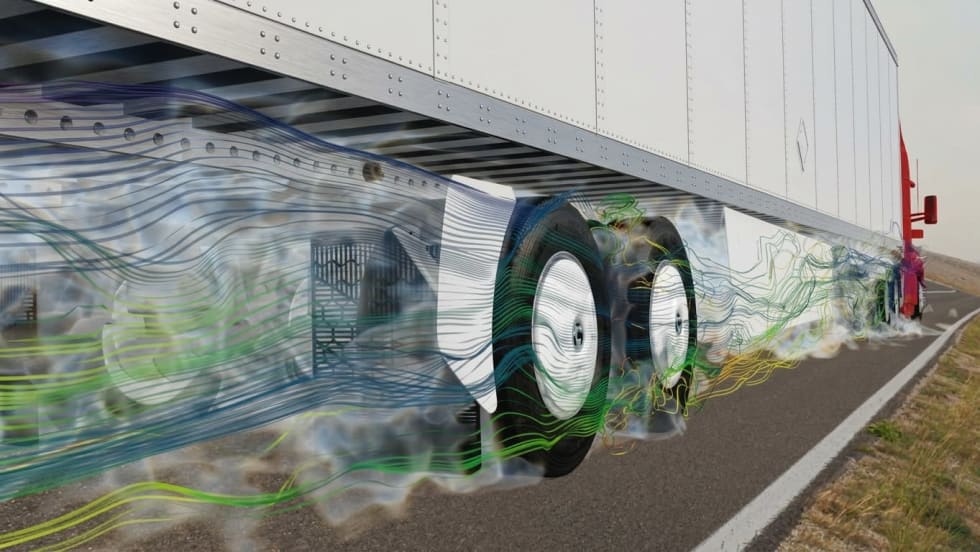
FlowBelow Redesigns Trailer AeroSlider to Cut Fuel Use
The lighter trailer aerodynamic system installs in less than 45 minutes, according to the company, with potential payback in under a year depending on fuel prices and trailer mileage.
Read More →
Why Diesel Price Relief Efforts May Fall Short
Diesel prices have eased from September’s record high, but doubts about additional Russian supply and limits on dyed-diesel tax relief mean trucking fleets still face expensive fuel. And prices could go higher.
Read More →
Why Small Fuel Savings Matter in Trucking
Can better fuel economy help pay for driver raises? In this podcast, GP Transco explains how small efficiency gains create room to reinvest in its people.
Read More →
How GP Transco Cuts Trucking Fuel Costs, a Tenth of a Gallon at a Time
What’s another tenth of a mile per gallon worth? GP Transco shares how equipment upgrades and driver coaching turn small gains into meaningful fuel savings.
Read More →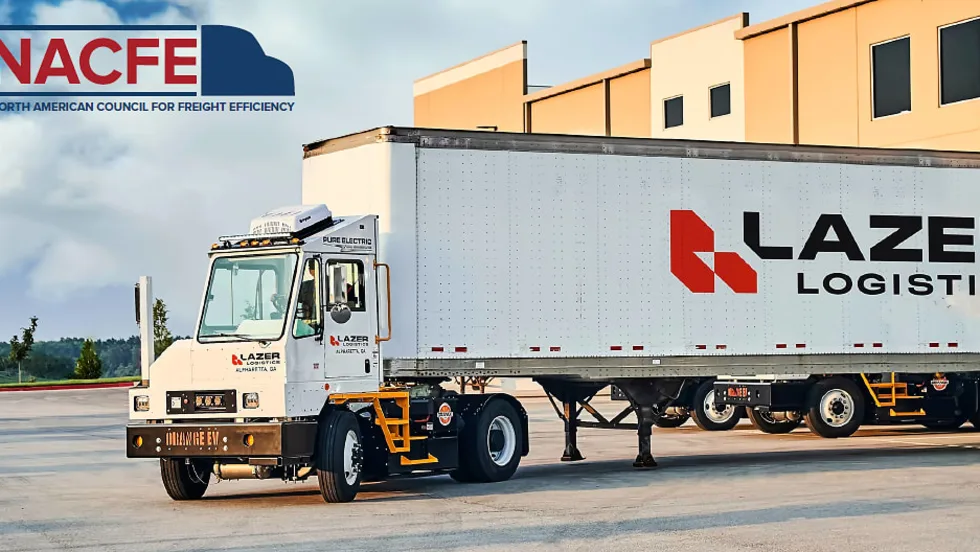
Electric Yard Tractors Move Beyond Pilots
Operating-cost savings have overtaken sustainability goals as the leading reason surveyed fleets are adopting battery-electric terminal tractors, according to new NACFE research.
Read More →
Geotab Links Fleet Card to Vehicle Data
The new card combines fuel discounts with telematics-based purchase controls. Geotab’s analysis also points to potential savings from choosing lower-priced fuel stops.
Read More →
Fleet Economics Shape Electric Truck Outlook
ACT Research expects costs, charging infrastructure, and technology improvements to drive zero-emission commercial vehicle adoption as federal regulations and incentives retreat.
Read More →
Wex Adds Cardless Fuel Payments for Over-the-Road Customers
A new fuel card feature for Wex customers offers convenience and security.
Read More →
New California Law Could Shed Light on Electric Truck Prices
Why do battery-electric Class 8 trucks remain so expensive? A California bill signed by Gov. Gavin Newsom would give fleets and state agencies more visibility into what manufacturers charge.
Read More →