




NATSO Wants Better Incentives to Create Alternative Fuel Corridors
NATSO is urging the Department of Transportation to work closely with private, exit-based businesses to improve incentives for establishing alternative fuel corridors on our nation’s highways.
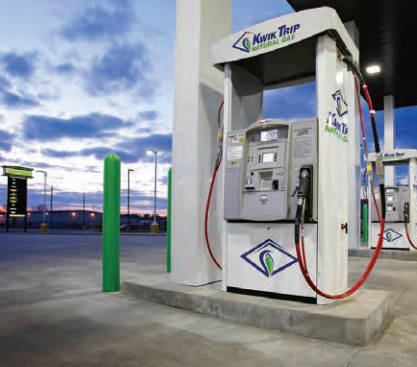
Truck stop industry trade association NATSO is urging the Department of Transportation to work closely with private, exit-based businesses to improve incentives for establishing alternative fuel corridors on our nation’s highways.
Section 1413 of the FAST Act directs DOT to identify and establish strategic fueling corridors to support alternative-fueling stations, including electric, hydrogen, propane and natural gas fueling infrastructure. The refueling infrastructure must support both passenger and commercial vehicles in both the near and long-term to make use of alternative fueled vehicles a more viable option for consumers and businesses.
In comments filed with DOT, NATSO urged the agency to implement Section 1413 of the FAST Act in a way that would strengthen the incentive for private investment in alternative-fuel infrastructure, saying that “state governments should not provide transportation fuel paid for with tax dollars.”
“NATSO members’ locations are well positioned to play a vital role in establishing alternative fuel corridors,” said Lisa Mullings, NATSO president and CEO. “The best way to accomplish the Administration’s objectives of increasing alternative fueling infrastructure throughout the country is for the government to work with existing exit-based establishments to install such infrastructure at privately run businesses, including travel plazas and truckstops.”
By working with private businesses, the government can further enhance the incentive for private sector investment while consumer demand is still low, according to NATSO. The association believes that fuel retailers are best suited to meet infrastructure needs as the next generation of clean and alternative fueled vehicles emerges.
“Furthering the deployment and use of charging and alternative fueling facilities is best realized if the travel plaza and truckstop industry’s business environment is recognized as an asset,” said Mullings. “Building alternative fuel facilities at truckstops provides the opportunity for an incremental investment at an existing facility. This is a very efficient way of accomplishing the Administration’s goals.”
More Fuel Smarts
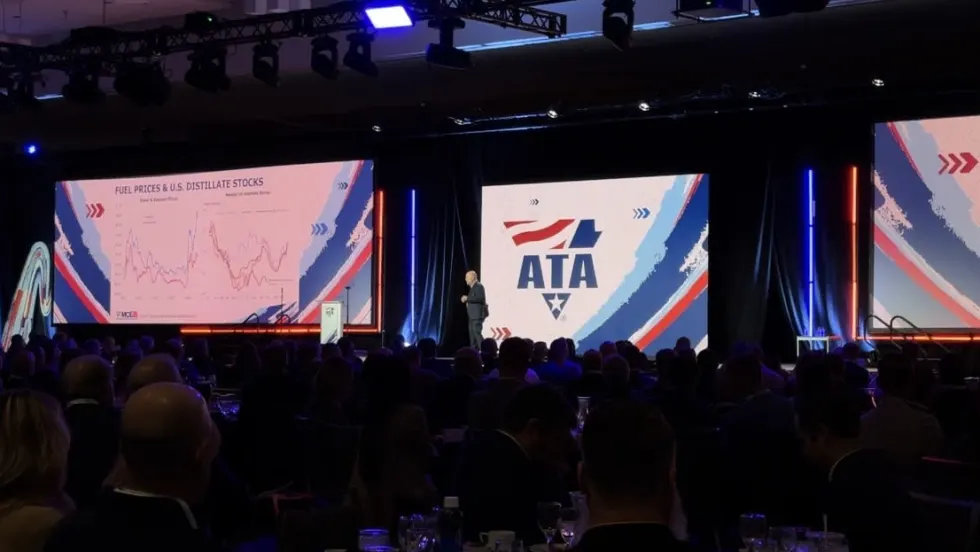
Trucking’s Diesel Squeeze Isn’t Letting Up
With diesel topping $6 a gallon nationally, ATA's Bob Costello explains why fleets should prepare for continued pressure at the pump.
Read More →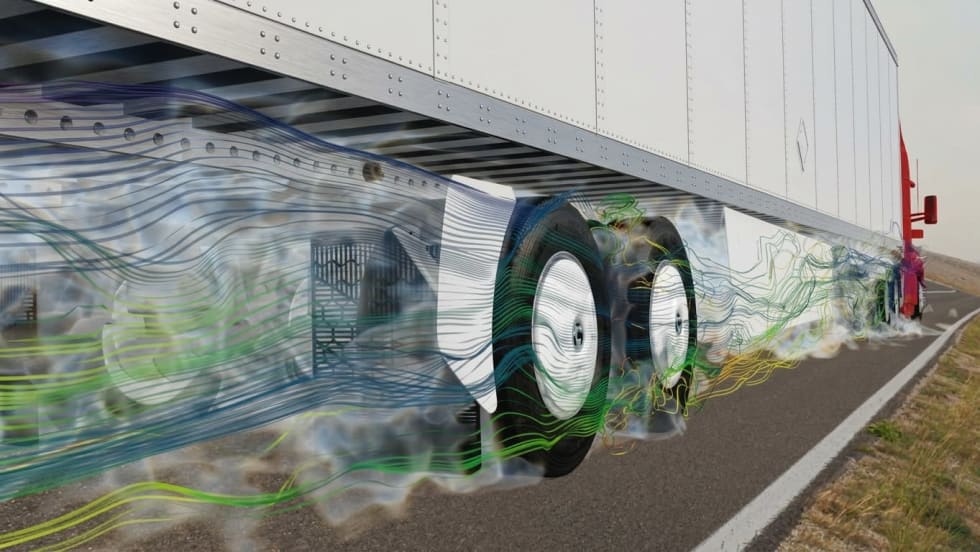
FlowBelow Redesigns Trailer AeroSlider to Cut Fuel Use
The lighter trailer aerodynamic system installs in less than 45 minutes, according to the company, with potential payback in under a year depending on fuel prices and trailer mileage.
Read More →
Why Diesel Price Relief Efforts May Fall Short
Diesel prices have eased from September’s record high, but doubts about additional Russian supply and limits on dyed-diesel tax relief mean trucking fleets still face expensive fuel. And prices could go higher.
Read More →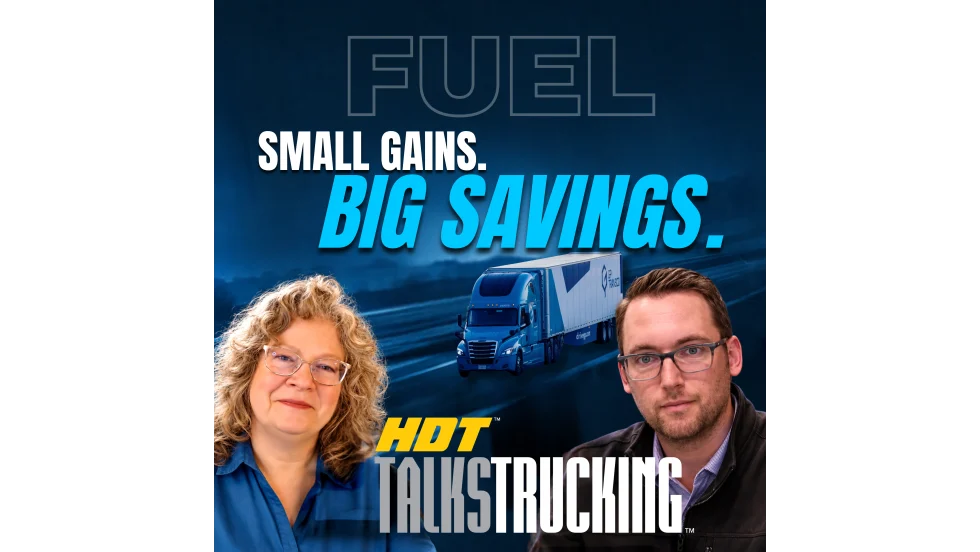
Why Small Fuel Savings Matter in Trucking
Can better fuel economy help pay for driver raises? In this podcast, GP Transco explains how small efficiency gains create room to reinvest in its people.
Read More →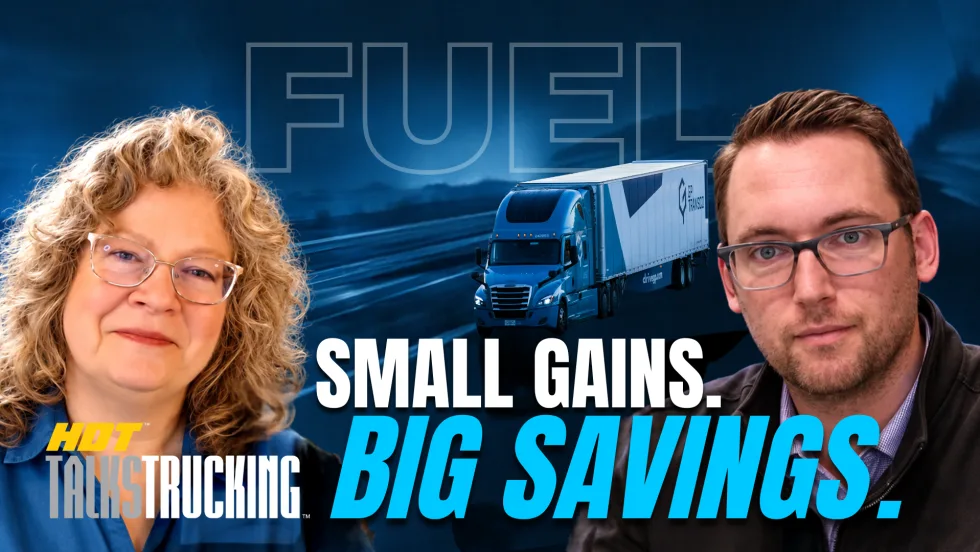
How GP Transco Cuts Trucking Fuel Costs, a Tenth of a Gallon at a Time
What’s another tenth of a mile per gallon worth? GP Transco shares how equipment upgrades and driver coaching turn small gains into meaningful fuel savings.
Read More →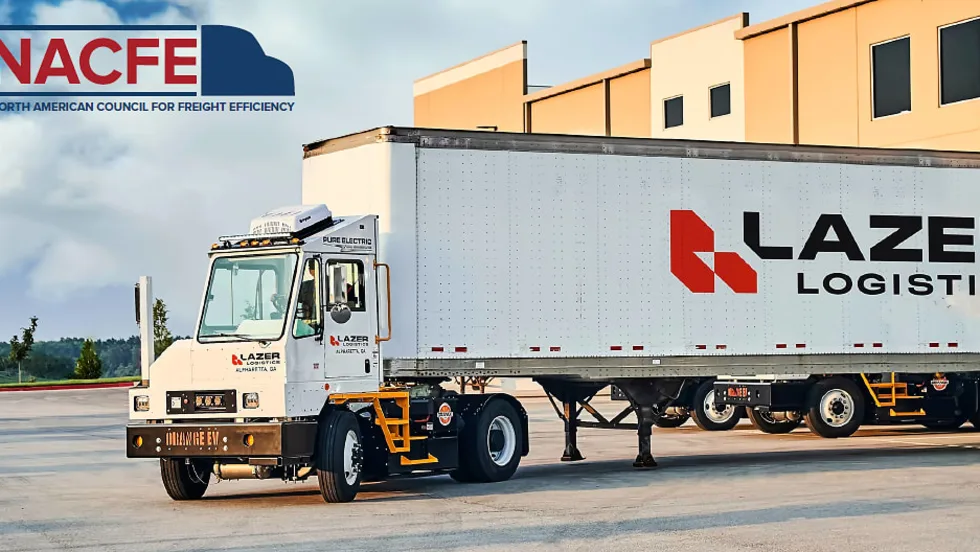
Electric Yard Tractors Move Beyond Pilots
Operating-cost savings have overtaken sustainability goals as the leading reason surveyed fleets are adopting battery-electric terminal tractors, according to new NACFE research.
Read More →
Geotab Links Fleet Card to Vehicle Data
The new card combines fuel discounts with telematics-based purchase controls. Geotab’s analysis also points to potential savings from choosing lower-priced fuel stops.
Read More →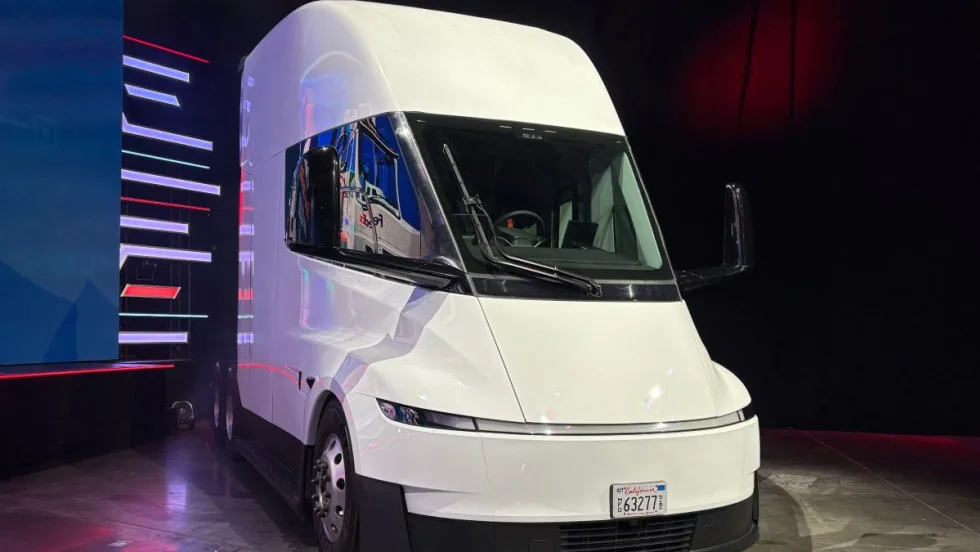
Fleet Economics Shape Electric Truck Outlook
ACT Research expects costs, charging infrastructure, and technology improvements to drive zero-emission commercial vehicle adoption as federal regulations and incentives retreat.
Read More →
Wex Adds Cardless Fuel Payments for Over-the-Road Customers
A new fuel card feature for Wex customers offers convenience and security.
Read More →
New California Law Could Shed Light on Electric Truck Prices
Why do battery-electric Class 8 trucks remain so expensive? A California bill signed by Gov. Gavin Newsom would give fleets and state agencies more visibility into what manufacturers charge.
Read More →