




Related: Private Fleet Tackles Turbulence To Improve Fuel Economy
Pressure Systems International Invests in Plasma-Based Aerodynamics
Pressure Systems International, an automatic tire inflation systems provider, has invested in a new aerodynamic technology and entered into an exclusive distribution agreement with Plasma Stream Technologies.
by Staff
July 19, 2016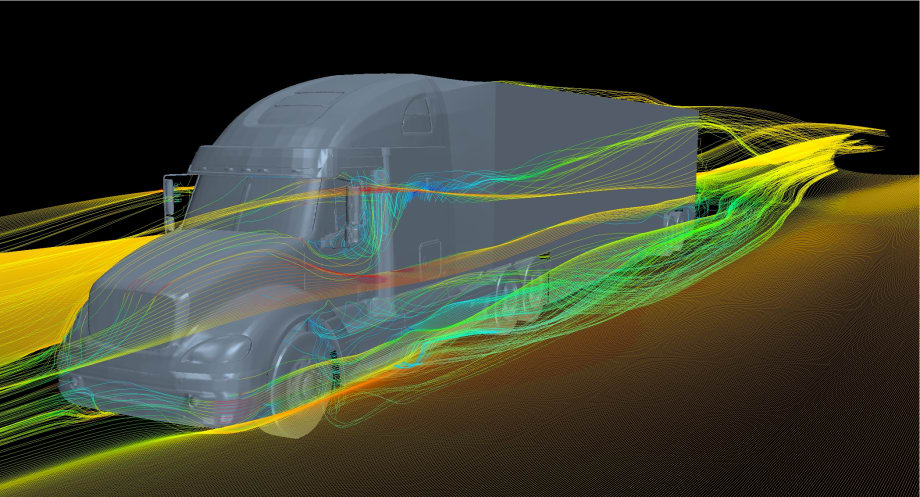
Image via P.S.I.
2 min to read
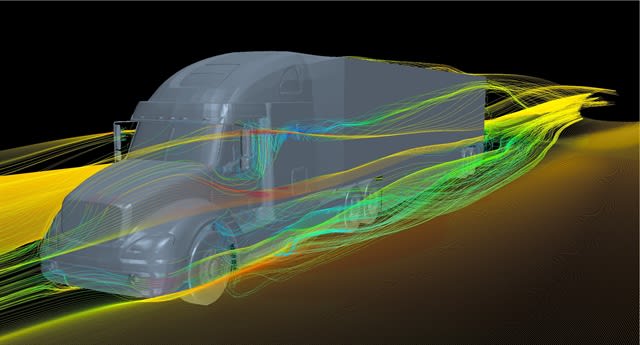
Image via P.S.I.
Pressure Systems International, an automatic tire inflation systems provider, has invested in a new aerodynamic technology and entered into an exclusive distribution agreement with Plasma Stream Technologies.
Plasma Stream’s plasma actuator technology is designed to reduce aerodynamic drag on trucks and trailers by manipulating airflow around the vehicle. The active flow control system offers aerodynamic benefits without the added weight and maintenance issues associated with bolt-on aero devices, according to the company.
The system is deployed automatically and has the flexibility to be used with roll-up doors as well as swing doors.
“P.S.I. believes the Plasma Stream technology can offer a real advantage for fleets, just like automatic tire inflation,” said Tim Musgrave, president and CEO of P.S.I. “Reducing fuel consumption benefits the environment as well as our customers’ bottom line, so our investment in Plasma Stream is in sync with our commitment to the market of providing product that delivers a highly desirable ROI.”
Plasma Stream’s technology uses an active flow control system using plasma actuators and was developed by the University of Notre Dame. The system is capable of generating a body force, which controls flow separation from the vehicle. This reduces the drag force on a vehicle and allows a vehicle to be streamlined without changing its actual shape.
Plasma actuators ionize the local airflow to induce a similar effect to physical devices such as spoilers, flow plates and boattails but do not require added structural components or weight.
“We expect P.S.I.’s reputation, knowledge of the market, and well-established distribution channels will spur market adoption and give us the capability to bring Plasma Stream’s technology to trucking fleets worldwide,” said Corey Park, director at Plasma Stream.
More Fuel Smarts

Record Diesel Prices Squeeze Trucking Fleets
Average U.S. diesel prices have climbed to nearly $6 a gallon, surpassing the 2022 record as tight refinery capacity and Middle East disruptions keep fuel costs elevated.
Read More →
Sponsored•September 9, 2026
How Fuel Delivery Shapes Engine Performance
Fuel delivery depends on more than what happens at the injector. For fleet, maintenance and technical professionals, looking at the full path from pump to injector can provide useful context for understanding engine performance.
Read More →
East Coast Port Launches $45M Electric Truck Push
The Port Authority of New York and New Jersey announced millions in incentives for zero-emission drayage trucks, yard tractors, and new charging hubs near the port.
Read More →

California Bill Could Shed Light on Electric Truck Prices
Why do battery-electric Class 8 trucks remain so expensive? A California bill headed to Gov. Gavin Newsom would give fleets and state agencies more visibility into what manufacturers charge.
Read More →
Detroit Opens Orders for EPA 2027 Engines
Detroit isn’t starting from scratch to meet EPA 2027 diesel emissions standards. Its Gen 6 DD13 and DD15 engines keep much of today’s platform while updating the fuel and aftertreatment systems.
Read More →
Zero-Emission Truck Corridor Planned for West Coast
California, Oregon, Washington, British Columbia and Baja California are coordinating plans for truck charging and hydrogen fueling from Canada to Mexico.
Read More →
A Closer Look at Kenworth’s Electric T880E Vocational Truck [Video]
Learn more about Kenworth's T880E battery-electric vocational truck at the Paccar Technical Center, including its range, applications, upfitting considerations, and PTO options, in this HDT Spotlight video.
Read More →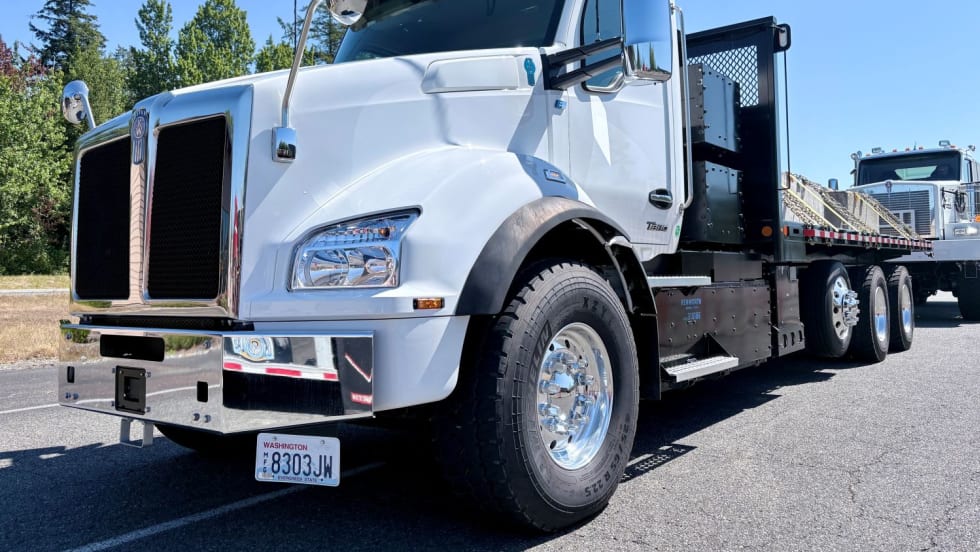
Kenworth T880E Brings EV Power to Vocational Trucks
A closer look at the Kenworth T880E’s range, charging, powertrain and upfit options — and where fleets are showing the most interest.
Read More →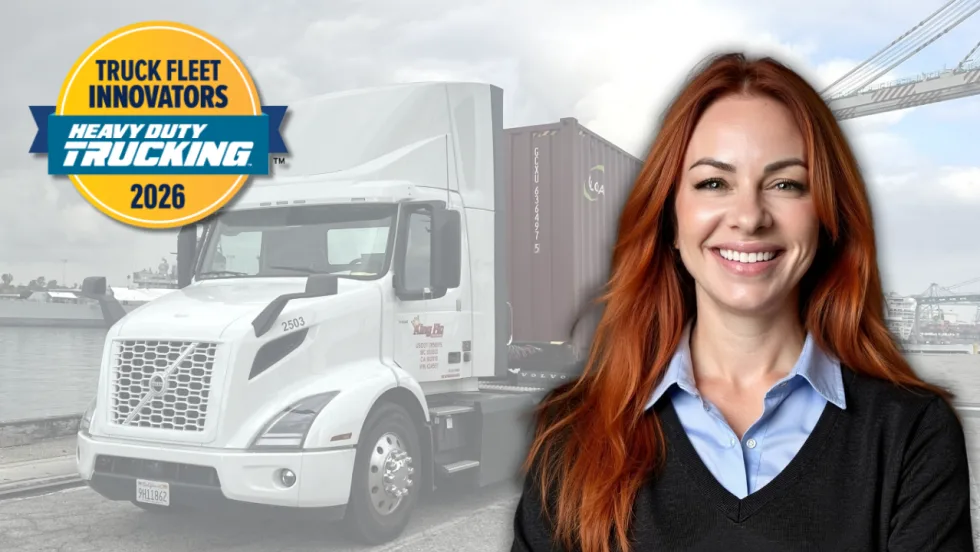
Jennie Abarca Is Proving Electric Trucks Can Do the Job
HDT Truck Fleet Innovator Jennie Abarca is building confidence in fleet electrification one load at a time while openly sharing the challenges she encounters along the way as a small-fleet owner.
Read More →
Cummins Adjusts 2027 Engine Rollout After EPA Proposal
The engine maker will gradually introduce its new Model Year 2027 diesel engines while continuing to offer current models during the transition, citing the EPA's proposed emissions rule changes.
Read More →