




Q&A: Yokohama's Rick Phillips Talks Truck Tires
How is the booming truck market affecting commercial tire sales? Yokohama's Rick Phillips answers this question and more in this Q&A.

Rick Phillips. Photo courtesy Yokohama.

Rick Phillips.Photo courtesy Yokohama.
Rick Phillips, vice president of sales, explains current market developments and how they will affect the industry.
Q: The commercial tire market was up last year. Why?
Phillips: In 2014, the market was up 8 to 10% over 2013. It all starts with the economy. The stock market is doing well, which has led to increased consumer confidence and spending. When consumers buy things, they get moved by truck, and that’s good for our industry. We’re definitely back to pre-recession levels.
Q: When the economy is rolling, do OEM truck sales go up?
Phillips: OEM sales is one of the indicators for market strength. If you’re a trucking company, the only reason you would buy a truck is to move freight. Right now, OEM sales, especially Class 8, are close to all-time highs. The North American fleet of Class 8 trucks is seven to eight years old on average. It should be below six years old to lower maintenance costs.
Q: Will the commercial tire market be able to sustain 8 to 10% annual growth?
Phillips: It’s difficult to keep growing at that pace, so it might slow some. But 2015 still looks good for the industry and Yokohama.
Q: What is the biggest change you’ve seen in the market the last five years?
Phillips: It’s the continued chase of more fuel-efficient products and trying to reduce greenhouse gases. The challenge is trying to achieve a lower rolling resistance without sacrificing tire life. It’s tough because if you make the tread shallower it is more fuel-efficient but the tire also wears out quicker.
Q: What opportunities exist for tire technology development?
Phillips: There are several different ways to make tires more fuel-efficient. You can simply take rubber off the tread and/or change the rubber compound. There are certain things you can do with the casing construction that makes it roll over easier. We have some innovative things we do with curing the tire with regards to length of time and the temperature at which we cure it. The biggest challenge is trying to stay ahead of the technology curve. You want a tire that's fuel-efficient, lasts a long time and is going to be retreadable.
Q: How are low-cost, offshore competitors affecting the U.S. tire market?
Phillips: There’s a lot of the lower-priced, third-tier product in the market that looks like first-tier product, but doesn’t perform like it. The challenge with fleets is convincing them. One of the problems with these tires is they're not very consistent, especially when it comes to retreading. One batch is fine and retread well, but the next isn’t. To come up with a consistent product that's going to perform the same every time is not easy for many of these companies. Yokohama chooses to take the quality route. We invest in our equipment and technology to make sure we produce a consistent, quality product.
Q: What trend have you seen developing in the commercial tire industry?
Phillips: There's a big shift in regional products due to the increase in intermodal business. There are short freight trips at the front and back ends of a rail haul. A product goes from a truck haul to a rail car to a truck, as opposed to one truck taking it across the country. There's a big demand for shorter-distance and higher scrub tires right now, so we’re building better products to fit that niche.
Q: What’s the latest update on the Yokohama's new Mississippi (YTMM) factory?
Phillips: The construction on the plant, installation of machineries and equipment and planned recruitment for the required jobs are all near completion. We’re on target to roll out the first pre-production tire in May and mass production will start in October. Volume will be low at first, accelerate, then really ramp up in 2016.
Q: When YTMM is completely operational, how much of YTC’s product mix will come from Mississippi versus a plant outside the U.S.?
Phillips: By the time Mississippi is running, about 60% of the truck tires will come from the plant. We're already talking about bringing on Phase Two, which will produce an extra million tires a year.
Q: Where do you see growth opportunity coming?
Phillips: We’re going to target national fleets and increase our penetration. We have a very good truckstop network that we're going to keep growing. Our OEM presence is also going to grow a lot. And we have the best servicing dealer network in the industry….bar none.
Q: Is Yokohama rolling out any new commercial truck tires in 2015?
Phillips: We do have some more products on the drawing board: a new super-regional product, some more ultra-wide base products and an open-shoulder drive tire.
Q&A provided by Yokohama; edited for length, style and clarity to meet HDT editorial standards.
More Fuel Smarts

Jennie Abarca Is Proving Electric Trucks Can Do the Job
HDT Truck Fleet Innovator Jennie Abarca is building confidence in fleet electrification one load at a time while openly sharing the challenges she encounters along the way as a small-fleet owner.
Read More →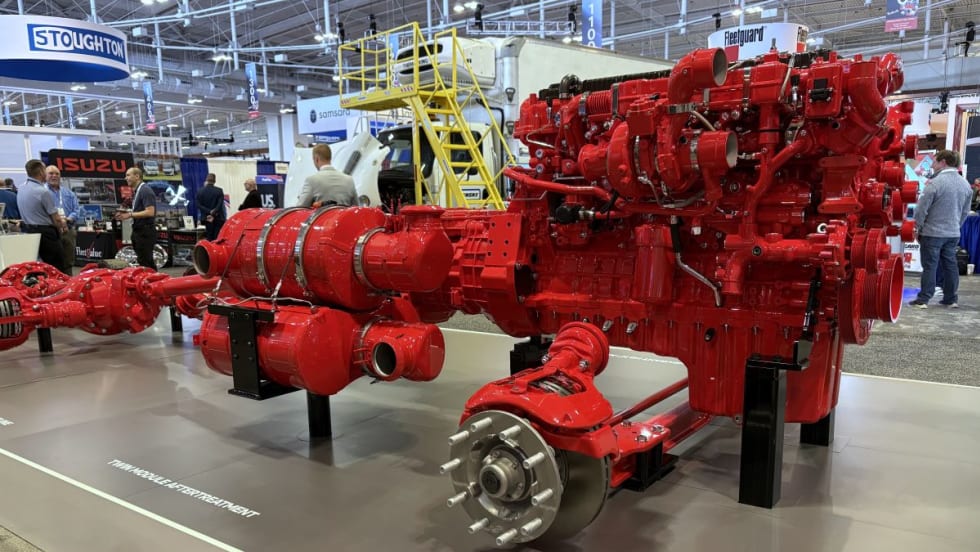
Cummins Adjusts 2027 Engine Rollout After EPA Proposal
The engine maker will gradually introduce its new Model Year 2027 diesel engines while continuing to offer current models during the transition, citing the EPA's proposed emissions rule changes.
Read More →
EPA Proposal Could Ease 2027 Truck Costs and Buying Uncertainty
The proposal doesn't change the tougher NOx standard, but it would revise key implementation requirements that manufacturers say have driven up costs and complicated fleet purchasing decisions.
Read More →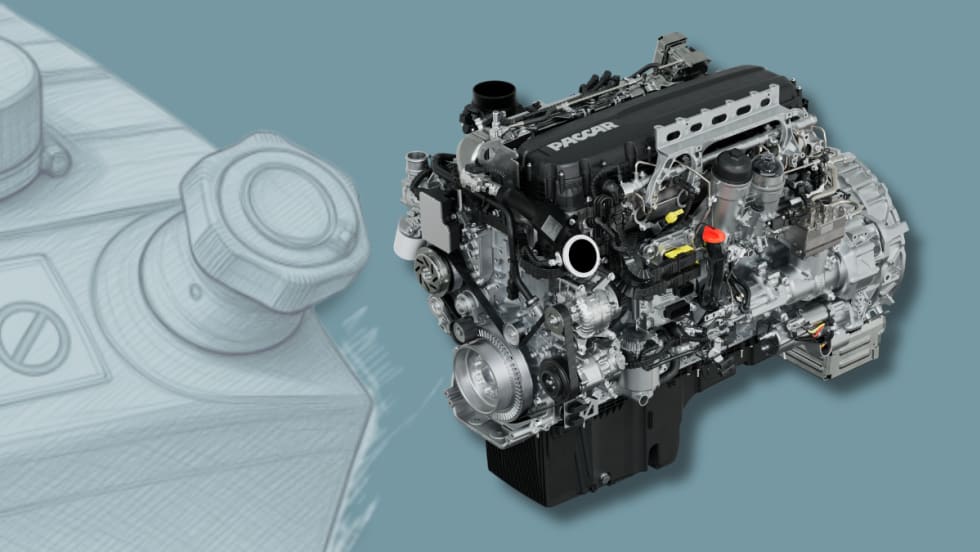
Cummins, Paccar Ease DEF Derates After EPA Guidance
Updated diesel engine software gives truck operators more time to address emissions-system issues while staying compliant with EPA emissions standards.
Read More →
Maintenance in the Messy Middle Part 3: Biodiesel
Biodiesel can reduce emissions, improve fuel-system lubricity and use existing diesel infrastructure. But NACFE’s Messy Middle maintenance report says fleets must actively manage storage, cold-weather operation, filters and oil drain intervals to avoid problems.
Read More →
Enhance Fleet Performance with High-Efficiency Auxiliary Power Units
Drive sustainable cost savings while increasing driver comfort during short- and long-haul logistics operations.
Read More →
Maintenance in the ‘Messy Middle’ Part 2: Renewable Diesel Fuel
NACFE's latest Messy Middle Powertrain Service & Maintenance report says renewable diesel gives fleets an opportunity to reduce carbon emissions without changing trucks, fueling infrastructure or maintenance practices. But technicians still need to understand several important operational differences.
Read More →
The Diesel Engine Enters NACFE’s ‘Messy Middle’
NACFE’s new Messy Middle Powertrain Service & Maintenance report says keeping modern diesel engines running now depends as much on software, diagnostics and data as traditional mechanical service.
Read More →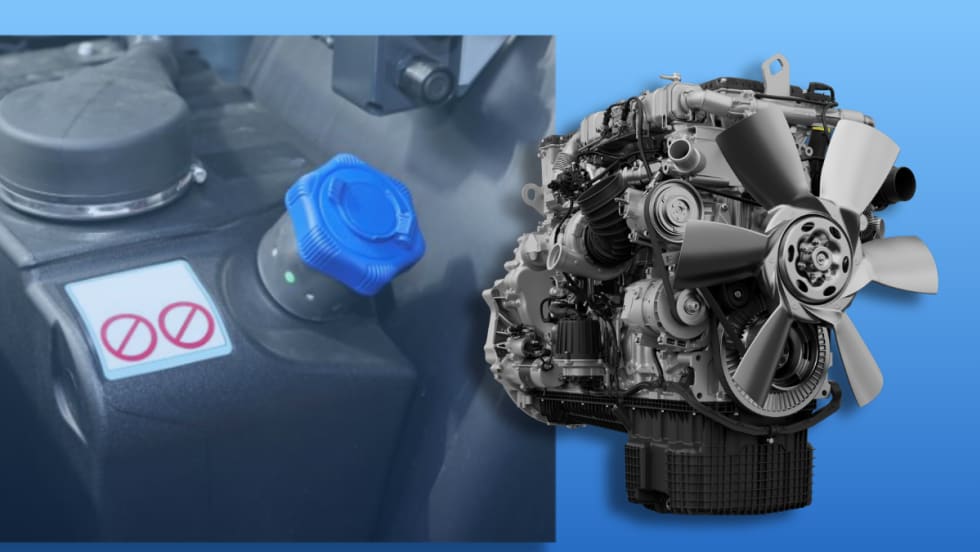
DTNA Software Update Gives Truckers More Time Before DEF Derates Take Effect
The changes reflect EPA guidance aimed at reducing downtime caused by emissions-system faults while maintaining compliance requirements.
Read More →
New Agentic Predictive Maintenance Report Demonstrates How Degraded Aftertreatment Systems Waste Fuel
Questar analyzed a large mixed-class fleet and discovered it was wasting as much as $30 in fuel per vehicle, per day, because of mechanically degraded aftertreatment systems.
Read More →