




Dana Preparing ‘Dual Range Disconnect’ 6x4-6x2 Tandem
Dana engineers are working on a Spicer Dual Range Disconnect tandem rear axle that combines the traction advantages of a dual-drive 6x4 configuration with the fuel economy of a single-drive 6x2.


Photo: David Cullen

Photo: David Cullen
Dana engineers are working on a Spicer Dual Range Disconnect tandem rear axle that combines the traction advantages of a dual-drive 6x4 configuration with the fuel economy of a single-drive 6x2. Executives showed off the concept on Wednesday, the eve of the Mid-America Trucking Show in Louisville, Ky.
The design goes beyond a “clutched” rear or forward axle to enable a single-drive tandem, they said, by introducing the effect of a low and high range. But it does so without using old-style two-speed axles.
“New fuel economy regulations for linehaul trucks are on the immediate horizon, and truck manufacturers are already addressing the challenge of reducing fuel consumption beyond the levels that can be achieved through today’s conventional powertrain systems,” said Mark Wallace, a Dana executive vice president and group president of Dana On-Highway Driveline Technologies.
“Our advanced Spicer AdvanTek Dual Range Disconnect concept enables truck manufacturers to achieve substantial gains in fuel economy with a system that still performs dependably in adverse driving conditions.”
The design employs a “slow” (high-numerical) ratio in the rear axle for startup and low-speed maneuvering, and on slippery pavement, he explained. Planetary-gear action in the interaxle differential mixes that with a “fast” (low-numerical) ratio in the forward axle to get a combined ratio, such as 3.10. The tandem then operates as a 6x4.
At a pre-determined speed, electronic controls switch to the forward axle’s ratio, such as 2.21, to lower engine revs at higher road speeds. The rear axle is disconnected using a sliding dog clutch at each end of the interaxle driveshaft, and the interaxle differential is bypassed. The tandem then operates as a 6x2.
Power and torque flow directly to the forward axle, eliminating meshing and fuel-burning drag of the additional gear sets. The concept supports “downspeeding” of the truck’s engine, which could cruise as low as 900 rpm – a trend that’s developing – for additional fuel savings, Wallace said.
Because the range switch must be done precisely, the concept works best with an automatic or automated transmission, Wallace’s colleagues said. But it can work with a manual transmission.
Dana engineers have been evaluating a prototype Advantek 40 tandem with the Range Disconnect feature for the last two and a half years, Wallace said. Engineers plan to install copies in truck chassis for further testing later this year.
More Fuel Smarts
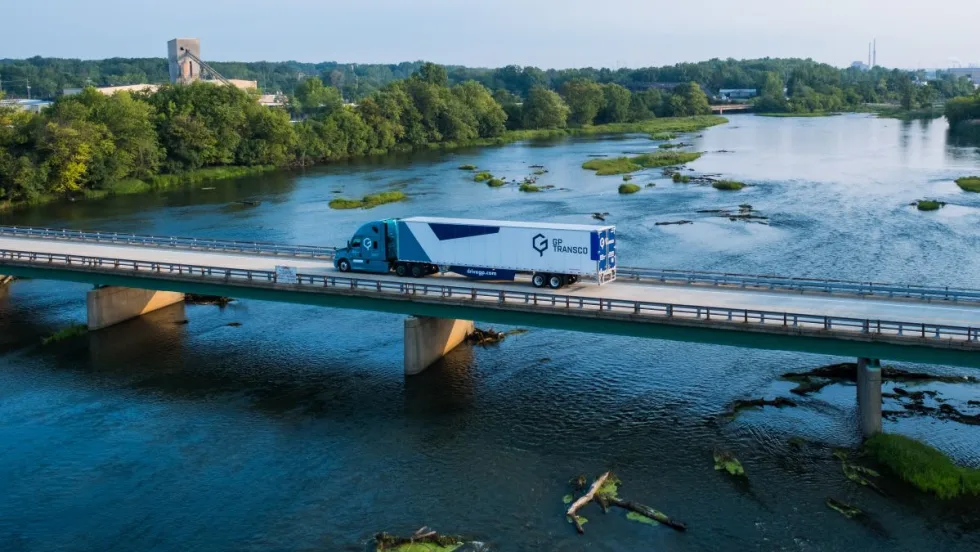
How GP Transco Builds Fuel Savings a Fraction at a Time
Aerodynamic specs, solar panels, and driver incentives help GP Transco turn small efficiency gains into savings it can reinvest in its people.
Read More →
Trucking’s Diesel Squeeze Isn’t Letting Up
With diesel topping $6 a gallon nationally, ATA's Bob Costello explains why fleets should prepare for continued pressure at the pump.
Read More →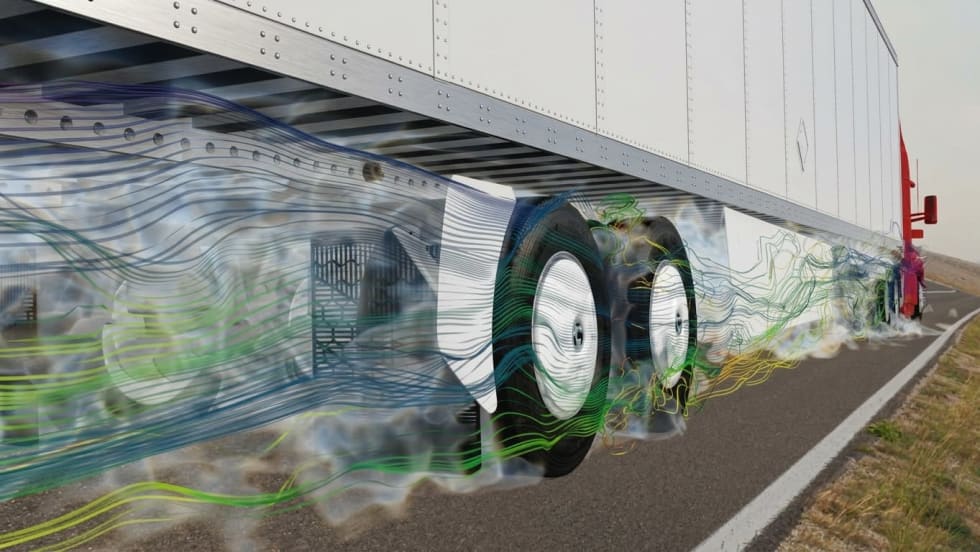
FlowBelow Redesigns Trailer AeroSlider to Cut Fuel Use
The lighter trailer aerodynamic system installs in less than 45 minutes, according to the company, with potential payback in under a year depending on fuel prices and trailer mileage.
Read More →
Why Diesel Price Relief Efforts May Fall Short
Diesel prices have eased from September’s record high, but doubts about additional Russian supply and limits on dyed-diesel tax relief mean trucking fleets still face expensive fuel. And prices could go higher.
Read More →
Why Small Fuel Savings Matter in Trucking
Can better fuel economy help pay for driver raises? In this podcast, GP Transco explains how small efficiency gains create room to reinvest in its people.
Read More →
How GP Transco Cuts Trucking Fuel Costs, a Tenth of a Gallon at a Time
What’s another tenth of a mile per gallon worth? GP Transco shares how equipment upgrades and driver coaching turn small gains into meaningful fuel savings.
Read More →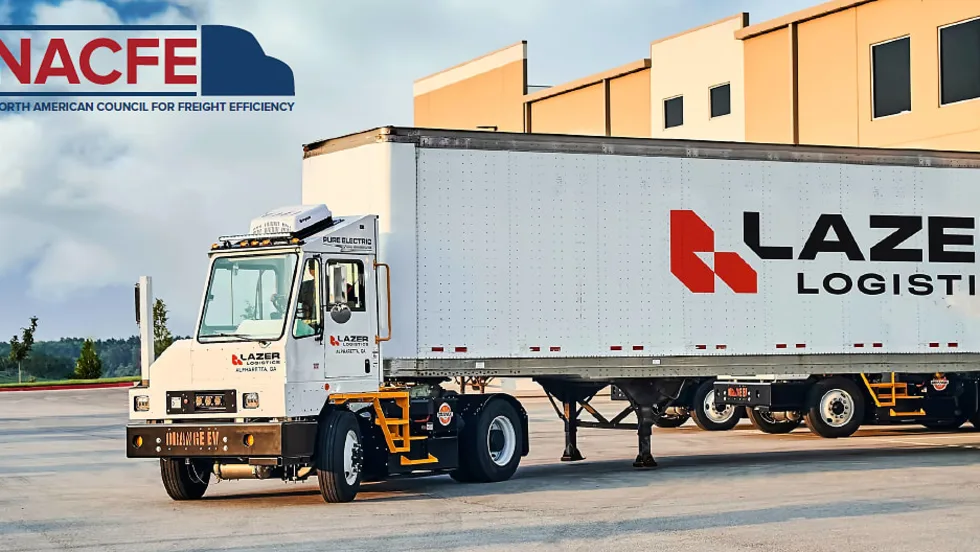
Electric Yard Tractors Move Beyond Pilots
Operating-cost savings have overtaken sustainability goals as the leading reason surveyed fleets are adopting battery-electric terminal tractors, according to new NACFE research.
Read More →
Geotab Links Fleet Card to Vehicle Data
The new card combines fuel discounts with telematics-based purchase controls. Geotab’s analysis also points to potential savings from choosing lower-priced fuel stops.
Read More →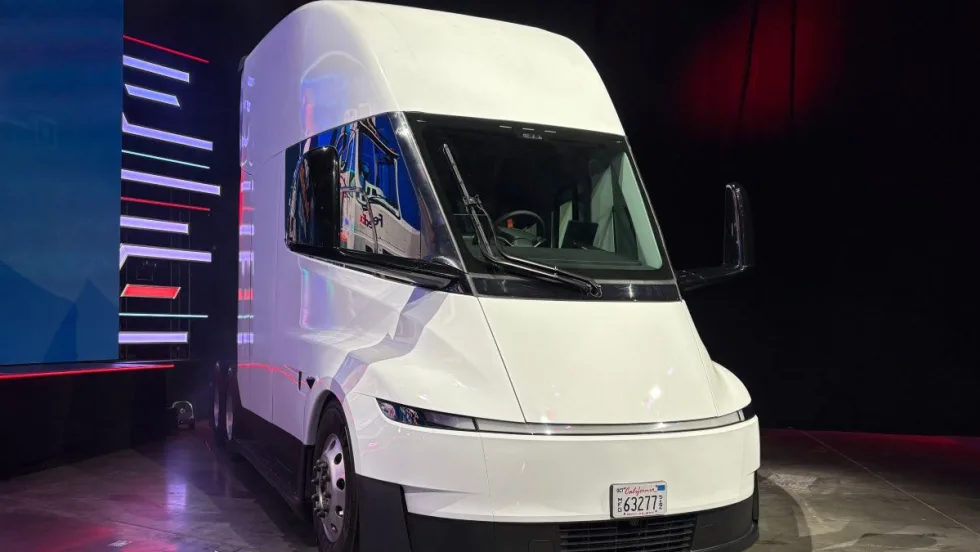
Fleet Economics Shape Electric Truck Outlook
ACT Research expects costs, charging infrastructure, and technology improvements to drive zero-emission commercial vehicle adoption as federal regulations and incentives retreat.
Read More →
Wex Adds Cardless Fuel Payments for Over-the-Road Customers
A new fuel card feature for Wex customers offers convenience and security.
Read More →