




Engine 'Downspeeding' Can Cause Driveline Failures, TMC Attendees Told
Driveline damage from engine torque “spikes” is among the many nuts-and-bolts subjects discussed by fleet managers and supplier representatives this week at a maintenance conference in Florida.

Driveline damage from engine torque “spikes” is among the many nuts-and-bolts subjects discussed by fleet managers and supplier representatives so far this week at a maintenance conference in Florida.
The Fall Meeting of the Technology & Maintenance Council of the American Trucking Associations began Monday morning and will run through mid-day Thursday at the Dolphin Hotel Conference Center at Disney World near Orlando. Scores of educational sessions are the main draw for the 1,317 attendees, and some are involved with the 10th annual SuperTech competition being held concurrently.
A trend toward fuel-saving “downspeeding” of engines, with highway cruise rpms of 1,300 and less, requires extra torque to compensate for loss of horsepower, and that can damage driveline components, a panel of experts said during a session Tuesday afternoon. “Fast” axle ratios further slow the driveline, exacerbating the problem, they said.
Axle ratios of 2.47 are commonly used with downspeeded engines and direct-drive transmissions – another method of saving fuel by reducing internal lube “churn” – and even lower ratios are coming, said Chuck Blake, applications engineer at the Detroit Diesel division of Daimler Trucks North America.
This means a need to “use torque appropriately” by electronically modifying engine output so torque is limited at clutch engagement. Thanks to electronics, many operating parameters can be set, and truck buyers should know what they are and work with truck builders to pick the correct ones, Blake said.
Another approach is to “fortify” the driveline, said Don Remboski, vice president of research and development and innovation at Dana Holding Corp. He noted that the trend toward lower revs could mean cruising at 1,150 rpms or less. So, along with the torque limiting, beefier components should be chosen.
Dana has the stronger components available, he said, but they should not be too strong that they pass on damage to transmissions or axles, which are more costly to repair. “Spec the driveline around the engine,” he advised.
Another source of driveline damage is torque spikes caused by sudden shocks to the system, said Bob Ostrander, chief driveline engineer for Meritor. Spikes happen when a driver backs his tractor under a trailer, drags trailer tires against curbs, or just “drops a clutch” when his foot slips off the clutch pedal. Tens of thousands of pounds-feet are momentarily sent through drivelines, causing fractures.
Meritor engineers began getting reports of driveline fractures and began analyzing parts that were sent in. They concluded that torque limiting, as Detroit’s Blake had suggested, was the solution. If done correctly, drivers won’t notice any loss of performance at very low engine speeds involved during clutch engagement, Ostrander said.
About 50 pounds might be added to a truck’s weight with stronger driveline components, Ostrander and Dana’s Remboski said. Truck makers set the monetary upcharge, but it might be $1,000 to $2,000 for the option, a Dana sales representative later said.
All three experts agreed that automated manual transmissions reduced incidences of driveline damage because correct gears are more likely to be used at any given time. But shock and torque spikes are still possible in some of the maneuvers Ostrander described.
More Fuel Smarts
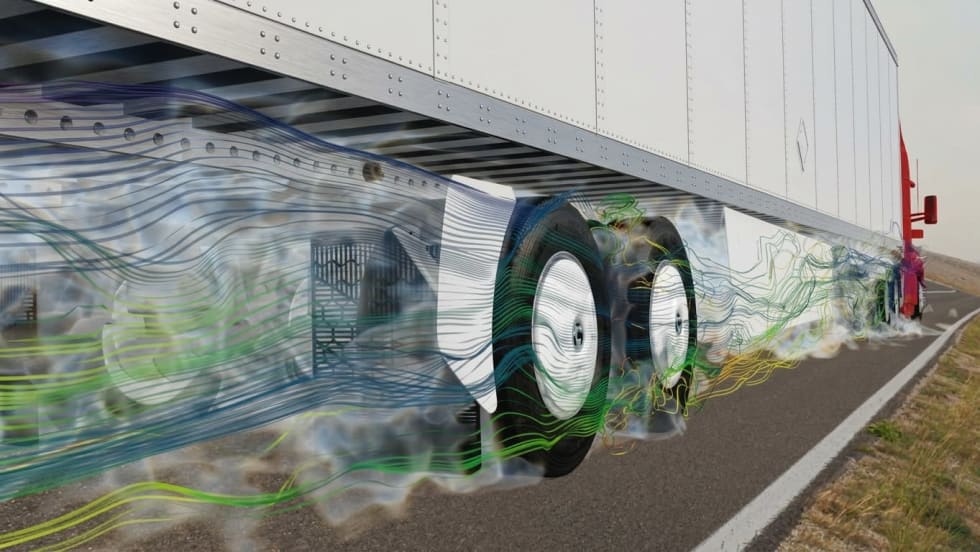
FlowBelow Redesigns Trailer AeroSlider to Cut Fuel Use
The lighter trailer aerodynamic system installs in less than 45 minutes, according to the company, with potential payback in under a year depending on fuel prices and trailer mileage.
Read More →
Why Diesel Price Relief Efforts May Fall Short
Diesel prices have eased from September’s record high, but doubts about additional Russian supply and limits on dyed-diesel tax relief mean trucking fleets still face expensive fuel. And prices could go higher.
Read More →
Why Small Fuel Savings Matter in Trucking
Can better fuel economy help pay for driver raises? In this podcast, GP Transco explains how small efficiency gains create room to reinvest in its people.
Read More →
How GP Transco Cuts Trucking Fuel Costs, a Tenth of a Gallon at a Time
What’s another tenth of a mile per gallon worth? GP Transco shares how equipment upgrades and driver coaching turn small gains into meaningful fuel savings.
Read More →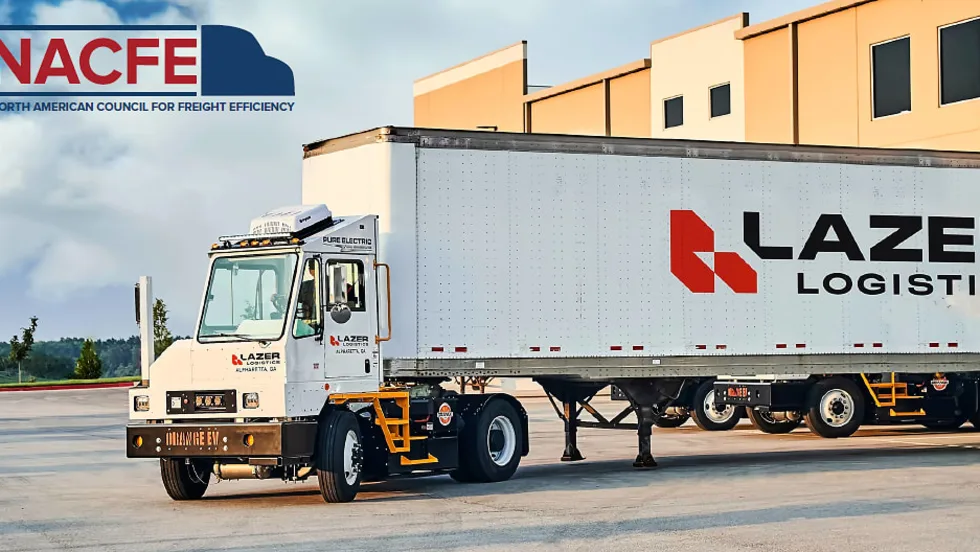
Electric Yard Tractors Move Beyond Pilots
Operating-cost savings have overtaken sustainability goals as the leading reason surveyed fleets are adopting battery-electric terminal tractors, according to new NACFE research.
Read More →
Geotab Links Fleet Card to Vehicle Data
The new card combines fuel discounts with telematics-based purchase controls. Geotab’s analysis also points to potential savings from choosing lower-priced fuel stops.
Read More →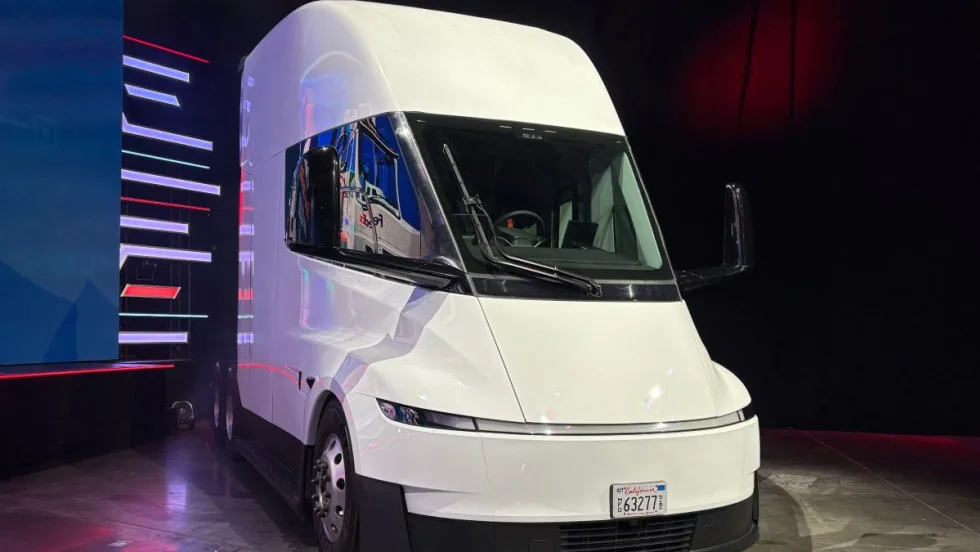
Fleet Economics Shape Electric Truck Outlook
ACT Research expects costs, charging infrastructure, and technology improvements to drive zero-emission commercial vehicle adoption as federal regulations and incentives retreat.
Read More →
Wex Adds Cardless Fuel Payments for Over-the-Road Customers
A new fuel card feature for Wex customers offers convenience and security.
Read More →
New California Law Could Shed Light on Electric Truck Prices
Why do battery-electric Class 8 trucks remain so expensive? A California bill signed by Gov. Gavin Newsom would give fleets and state agencies more visibility into what manufacturers charge.
Read More →
How Volvo Updated Its D13 for EPA 2027 [Watch]
Volvo’s updated D13 promises lower emissions without sacrificing performance or fuel economy. Take a closer look at what changed inside the engine in this HDT Spotlight video.
Read More →