




Report: Natural Gas, Aerodynamics Will Help Meet Future Fuel Economy Goals
Expanding the use of natural gas as a transportation fuel and greater use of aerodynamic devices on trailers are among the strategies recommended by a new National Research Council report for reducing fuel consumption by tractor-trailers, transit buses, commercial vehicles, trucks, and other medium and heavy-duty vehicles.
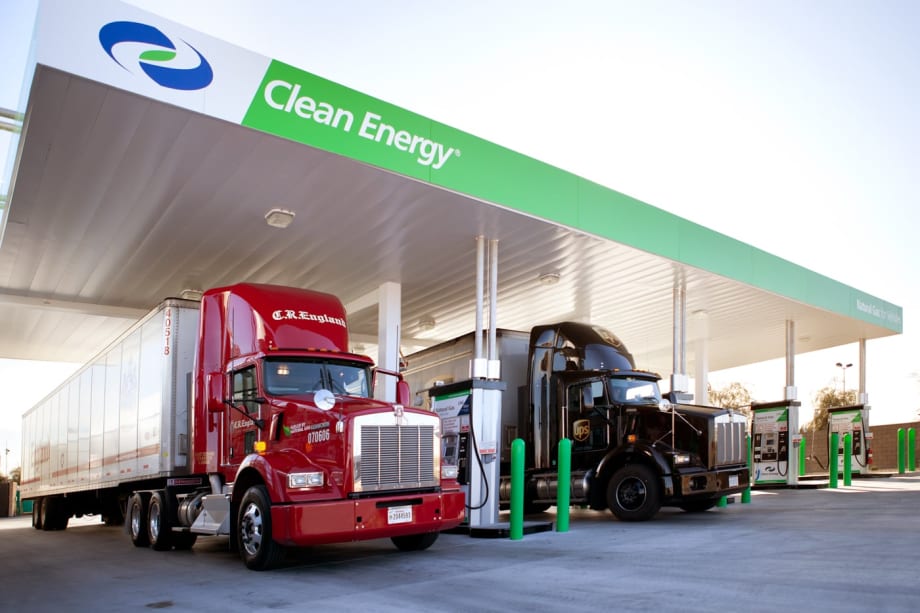
The report recommends that NHTSA and EPA develop a separate standard for natural gas vehicles, as is presently the case for diesel and gasoline-fueled vehicles.

Expanding the use of natural gas as a transportation fuel and greater use of aerodynamic devices on trailers are among the strategies recommended by a new National Research Council report for reducing fuel consumption by tractor-trailers, transit buses, commercial vehicles, trucks, and other medium and heavy-duty vehicles.
It offers guidance for the “Phase II Rule” for reducing engine emissions and increasing fuel economy, which are under development by the National Highway Traffic Safety Administration the U.S. Environmental Protection Agency. They are directed at technologies and programs in the post-2018 time frame, which President Obama announced in February.
The report notes since 2010 the emergence of natural gas as a transportation fuel is significant, however there is also a drawback.
“Due to low carbon content, the greenhouse gas emissions of natural gas are lower than for gasoline or diesel fuel, but this benefit is partially negated by the lower efficiency in currently available engines and may be offset by the increased greenhouse gas effects of methane,” the study said. “In addition, the natural gas fueling infrastructure is underdeveloped and will require large investments to provide enough stations to prevent disruption in routes and travel times for longer-haul trucks."
In light of these trade-offs, the report recommends that NHTSA and EPA develop a separate standard for natural gas vehicles, as is presently the case for diesel and gasoline-fueled vehicles. It adds that the agencies should begin to consider the “well-to-tank” energy consumption and greenhouse gas emissions associated with natural gas vehicles as well as for other vehicle and energy technologies that include biofuels, dimethyl ether, and hydrogen fuel cells.
The report also recommends that the agencies adopt a regulation requiring that all new 53 foot or longer dry van and refrigerated van trailers meet performance standards that will reduce fuel consumption and carbon dioxide emissions.
Finally, the study noted a number of strategies that do not involve changes to the engine or vehicle are also available for reducing fuel consumption. These include changes to fleet operations and logistics, innovations in infrastructure, traffic management, and driver training and other behavioral initiatives, however market or regulatory factors may also directly or indirectly affect fuel consumption.
“NHTSA should carefully consider and attempt to quantify the impacts of these non-vehicle approaches on the costs and feasibility of future fuel consumption improvements, and work with EPA, Federal Highway Administration, U.S. Department of Energy, and the private sector to create incentives that capture the benefits of approaches other than regulating the vehicle,” the study said.
The committee says it will expand upon its existing work and issue a final report in 2016 that will cover a broader range of technologies and approaches that address the 2025-2030 time frame.
More Fuel Smarts
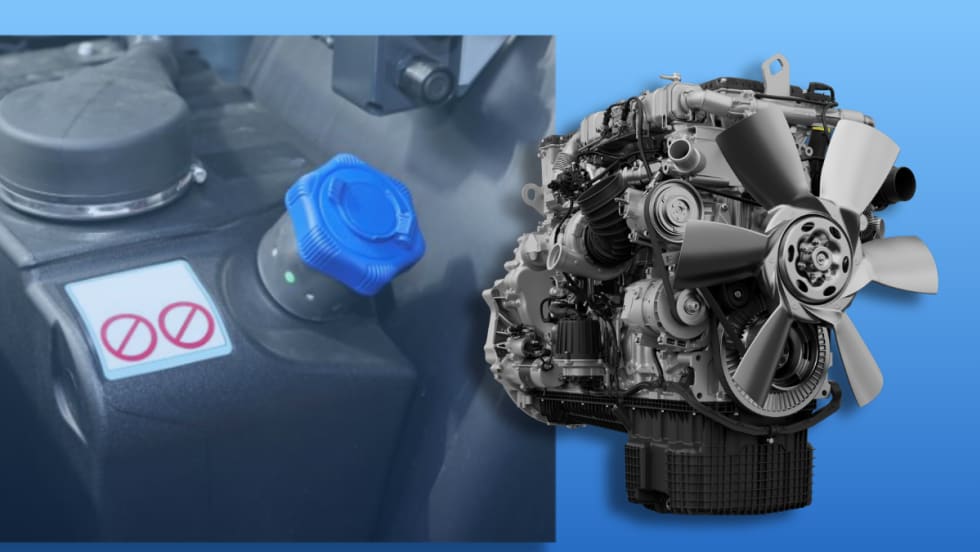
DTNA Software Update Gives Truckers More Time Before DEF Derates Take Effect
The changes reflect EPA guidance aimed at reducing downtime caused by emissions-system faults while maintaining compliance requirements.
Read More →
New Agentic Predictive Maintenance Report Demonstrates How Degraded Aftertreatment Systems Waste Fuel
Questar analyzed a large mixed-class fleet and discovered it was wasting as much as $30 in fuel per vehicle, per day, because of mechanically degraded aftertreatment systems.
Read More →
New York City's Microhub Project is Delivering Results
Trucking, last-mile delivery companies, and environmental advocates like what they are seeing so far with New York's microhub program.
Read More →
Lessons Learned About Alternative Fuels: Start Small, Stay Flexible
Practical advice on adopting alternative fuels and ZEVs from HDT's 2026 Top Green Fleets, from renewable diesel and natural gas to electric trucks.
Read More →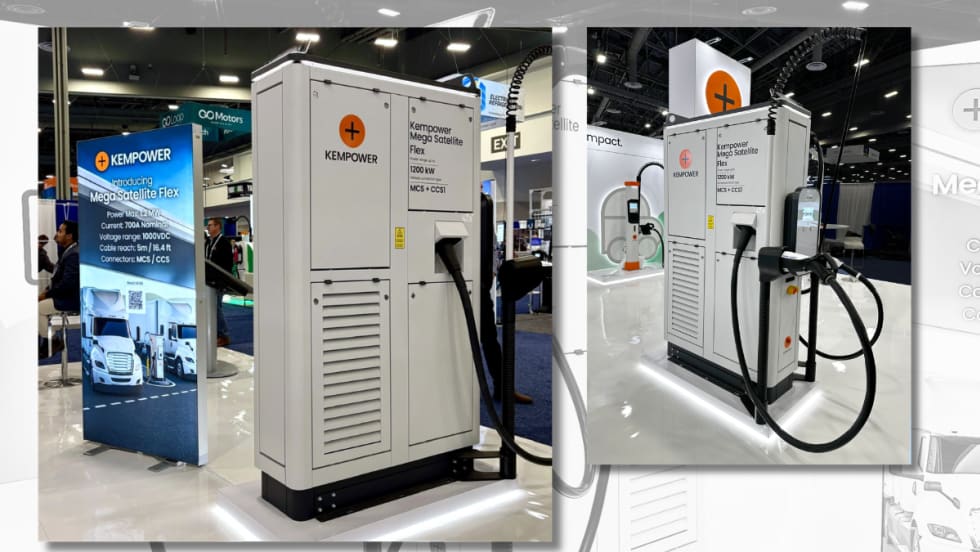
Kempower Adds Flex EV Charger to Help Support Transition to Megawatt Charging
The Kempower Mega Satellite Flex has both a CCS and MCS connector, allowing operators to serve both types of heavy-duty vehicles.
Read More →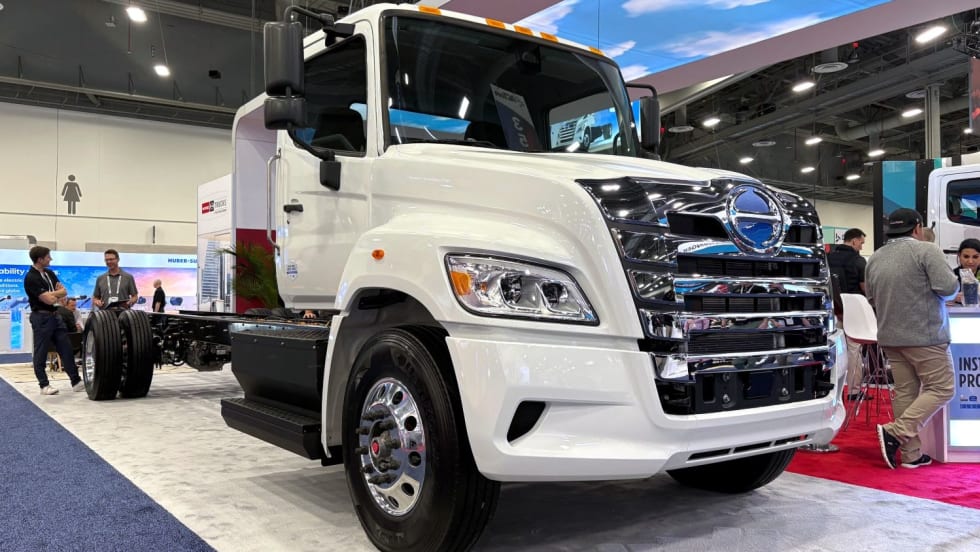
Hino Adds Electric Class 6/7 Truck
Hino says the Le Series is an important step in the company's efforts to reduce environmental impact and support its customers’ sustainability goals.
Read More →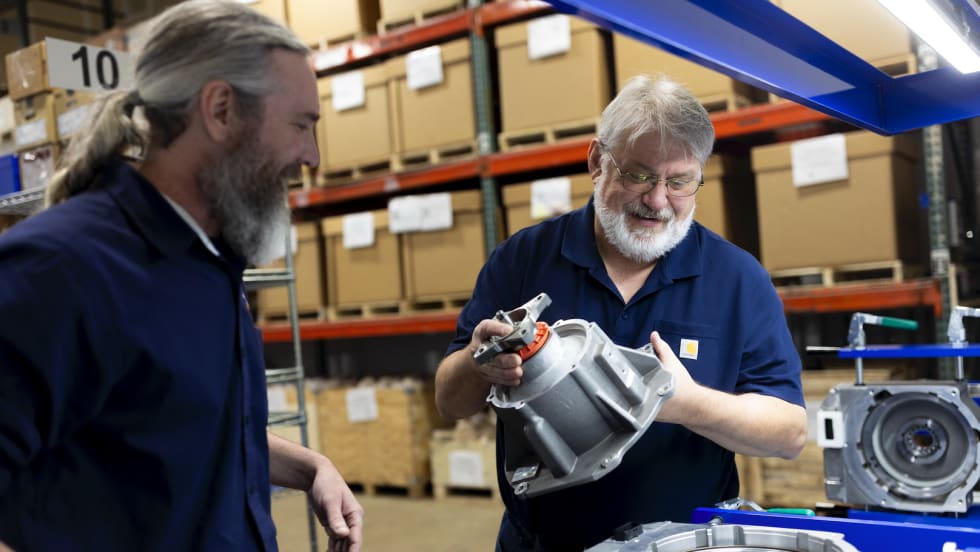
Can Multi-Speed EV Transmissions Solve Heavy Trucking’s Biggest Electric-Vehicle Problems?
A startup called Sigma Powertrain believes purpose-built multi-speed gearboxes can boost efficiency, reduce battery size and improve gradeability for heavy-duty battery-electric trucks.
Read More →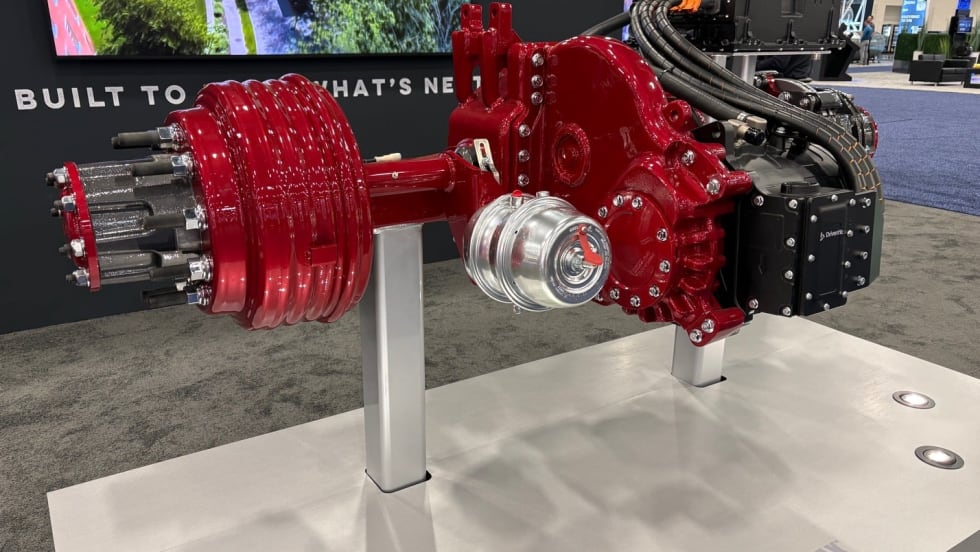
Hendrickson Debuts Electraax E-Axle for Medium-Duty Trucks
Developed with Driventic, Hendrickson's new integrated e-axle is designed to improve efficiency, reduce weight, and extend range in Class 6-7 EV applications.
Read More →
50 Ways Fleets Can Cut Fuel Costs Now — Without Buying New Trucks
Fuel savings don’t come from one big change. They come from dozens of small ones. Here’s how leading fleets are stacking gains across drivers, routing, maintenance, and more.
Read More →
Top Green Fleets 2026: How Fleets Are Reducing Emissions in the Real World
What works in sustainable trucking today? Heavy Duty Trucking's Top Green Fleets are finding practical ways to cut fuel use, reduce emissions, and keep freight moving.
Read More →