




TA Chief O’Brien Carries Torch for Natural Gas
If you’re skeptical about the future of natural gas in trucking, meet Thomas O’Brien, president and CEO of TravelCenters of America. “The math is close enough and we’re moving on,” said O’Brien Tuesday in an assertive message to hundreds of fuel and transportation experts gathered in Washington, D.C., for the 2013 Alternative Clean Transportation Expo.

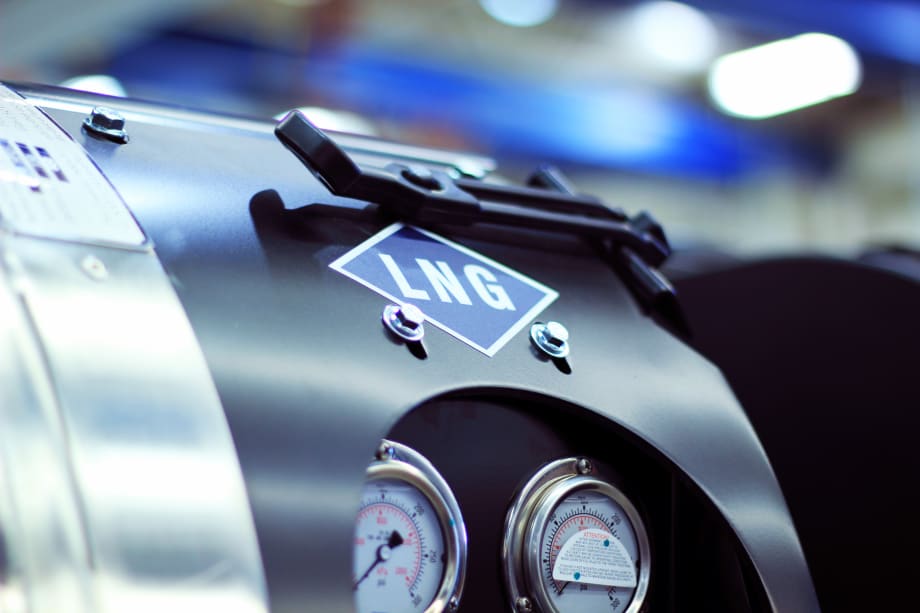
TA says starting next year it will offer liquified natural gas fueling stations for trucks like this new Kenworth available to rent from Paclease.
TA says starting next year it will offer liquified natural gas fueling stations for trucks like this new Kenworth available to rent from Paclease.
If you’re skeptical about the future of natural gas in trucking, meet Thomas O’Brien, president and CEO of TravelCenters of America.
“The math is close enough and we’re moving on,” said O’Brien Tuesday in an assertive message to hundreds of fuel and transportation experts gathered in Washington, D.C., for the 2013 Alternative Clean Transportation Expo.
Skeptics list several roadblocks to widespread adoption of natural gas, O’Brien said.
They say the equipment costs more than diesel equipment, both up-front and in terms of the risk. If the demand for natural gas goes up and diesel goes down, then gas loses its pricing edge. And the infrastructure to distribute gas is not in place.
This is “pencil pushing,” O’Brien said. “Nobody really cares any more.”
He said TA, a full-service truck stop chain with 165 locations, is committed to providing natural gas at its facilities, because his customers want it.
TA and Shell are planning a nationwide network of liquefied natural gas fueling centers for trucking customers. The first of 100 or so planned gas fueling lanes at TA and Petro Stopping Centers is scheduled to open next year.
TA has selected the first 20 locations, O’Brien said. They will start in California, Texas and Nevada, and the result will be well-connected corridors where natural gas is available.
The installations are more expensive than diesel – six to seven times more expensive – but that cost will come down as volume goes up.
There’s more to the decision than just the immediate infrastructure cost, though. The discovery of natural gas resources, and of the fracking technology to tap them, is a game changer for the United States, O’Brien said
“Natural gas has the ability to transform the transportation industry, to meaningfully expand the economy and can help ensure energy independence."
Natural gas could provide the largest single competitive advantage the United States has enjoyed in the past century, he said.
“The dreamers found it. Now it’s up to us to act. We need to work together to use our new advantage wisely. Alternatives to polluting foreign fuel are here today and are here to stay.”
The pace of adoption is accelerating. O’Brien said many large fleets are testing or converting to natural gas, and some are predicting that gas could reach 40% of the heavy-duty market.
He said he is confident of TA’s role in adopting the fuel.
“We have taken the time to plan to do it right,” he said. “For those who may come to rely on over-the-road liquid natural gas, TA will hold up its end.”
More Fuel Smarts

How Volvo Updated Its D13 for EPA 2027 [Watch]
Volvo’s updated D13 promises lower emissions without sacrificing performance or fuel economy. Take a closer look at what changed inside the engine in this HDT Spotlight video.
Read More →
Diesel Price Spike Shortens Payback for Natural Gas Trucks, Report Says
Energy Vision estimates fleets could recover the higher purchase price of an RNG-fueled Class 8 tractor in 1.3 to 2.8 years under current fuel-price scenarios.
Read More →
Calstart Becomes Catalyst Mobility, Reflecting Broader Focus
Calstart is now Catalyst Mobility, reflecting the nonprofit’s growing national role in clean transportation, including zero-emission trucks, infrastructure and incentive programs.
Read More →

Record Diesel Prices Squeeze Trucking Fleets
Average U.S. diesel prices have climbed to nearly $6 a gallon, surpassing the 2022 record as tight refinery capacity and Middle East disruptions keep fuel costs elevated.
Read More →
How Fuel Delivery Shapes Engine Performance
Fuel delivery depends on more than what happens at the injector. For fleet, maintenance and technical professionals, looking at the full path from pump to injector can provide useful context for understanding engine performance.
Read More →
East Coast Port Launches $45M Electric Truck Push
The Port Authority of New York and New Jersey announced millions in incentives for zero-emission drayage trucks, yard tractors, and new charging hubs near the port.
Read More →
California Bill Could Shed Light on Electric Truck Prices
Why do battery-electric Class 8 trucks remain so expensive? A California bill headed to Gov. Gavin Newsom would give fleets and state agencies more visibility into what manufacturers charge.
Read More →
Detroit Opens Orders for EPA 2027 Engines
Detroit isn’t starting from scratch to meet EPA 2027 diesel emissions standards. Its Gen 6 DD13 and DD15 engines keep much of today’s platform while updating the fuel and aftertreatment systems.
Read More →
Zero-Emission Truck Corridor Planned for West Coast
California, Oregon, Washington, British Columbia and Baja California are coordinating plans for truck charging and hydrogen fueling from Canada to Mexico.
Read More →
A Closer Look at Kenworth’s Electric T880E Vocational Truck [Video]
Learn more about Kenworth's T880E battery-electric vocational truck at the Paccar Technical Center, including its range, applications, upfitting considerations, and PTO options, in this HDT Spotlight video.
Read More →