




Judge Orders Rewrite of Hot Fuel Settlements
A judge has rejected many of the proposed settlement deals in the "hot fuel" class-action lawsuit, sending fuel refiners and retailers back to the drawing board
A judge has rejected many of the proposed settlement deals in the "hot fuel" class-action lawsuit, sending fuel refiners and retailers back to the drawing board.
The term "hot fuel" refers to the expansion of gasoline or diesel fuel in the warmer months. Critics charge that when the fuel expands, it delivers less energy per gallon to the consumer, but the consumer is still charged the same price per gallon.
In 2006, the Kansas City Star wrote a series of stories about the issue, estimating that hot fuel cost consumers $2.3 billion dollars a year. After the Star's reports, class-action lawsuits sprouted up against dozens of companies, including oil giants and fuel-station chains.
Preliminary settlements were reached earlier this year by a number of defendants, but the judge must approve them.
Ten retail companies offered settlements earlier this year, the majority of which involve a gradual, voluntary move to install technology known as automatic temperature compensation, or ATC, on fuel pumps, according to the Owner Operator Independent Drivers Association, which has been actively involved in this issue. ATC would adjust the price the consumer pays to account for the temperature of the fuel.
In general, according to published reports, the refiners agreed to pay $21.2 million into a special settlement fund. Two thirds of what was left after attorney's fees was to be used to help retailers pay for automatic temperature compensation at retail or putting decals on dispensers that explain the effect of temperature on energy content.
The other third was to go to state weights and measures departments to help defray the costs of overseeing ATC.
However, Judge Katherine H. Vratil said the plans by Shell, BP, ExxonMobil, Citgo, Sinclair, ConocoPhillips and Valero do not fully address the needs of the class-action plaintiffs, saying she could not see how dispenser decals would benefit class members, reports scpnet.com, a news site for the convenience store industry.
Also in question: Why the settlements limited payment to retailers to no more than 25% of the funds in each of the first two years after the deals were effective.
Vratil is presiding over the consolidated case consisting of lawsuits filed in 26 states dating back to 2006.
In September, one of the hot fuel cases went to trial. Two Kansas businessmen, including a FedEx trucker, came up short in trying to convince a jury that three retailers - QuikTrip, 7-Eleven and Kum & Go - knowingly intended to harm consumers by selling hot fuel.
Related Stories:
4/20/2012 Three More Companies Settle in 'Hot Fuel' Suits
4/9/2012 Three Major Oil Companies Settle in "Hot Fuel" Lawsuit
More Drivers

From One Generation to the Next: How Mentorship Builds Safer Truck Drivers
After three decades in trucking, Harold Perry shares what he's learned about driver safety, mentorship, and helping the next generation build confidence behind the wheel.
Read More →
Truck Drivers Need More Than Another Alert
Fleets have more visibility into truck health, safety events, and driver activity than ever. The next challenge is turning all that information into useful guidance for the person who has to decide what to do next.
Read More →
FMCSA Removes 110 Truck Driver Training Schools from Certified ELDT List
Federal regulators also are targeting more than 160 additional training providers and launching a nationwide audit of third-party CDL skills testers as part of a broader crackdown on trucking fraud.
Read More →
Hours of Service Pilot Programs: FMCSA Readies for 2027 Rollout
Two pilot programs could eventually reshape hours-of-service rules, giving truck drivers options to pause their 14-hour clock or use longer split sleeper rest periods.
Read More →
Medical Cards, English Proficiency Reshape Roadcheck Violations
Medical-card violations jumped to the top of the driver out-of-service list during CVSA’s 2026 International Roadcheck, while English-language proficiency violations appeared among the leading violations for the first time.
Read More →
Driver Trust Can Make or Break the Success of Fleet Safety Technology
New Teletrac Navman research suggests that onboarding, transparency about driver data, and positive feedback can play a significant role in how commercial drivers respond to safety and coaching technology.
Read More →
EEOC Sues KLLM Over Alleged Sex Discrimination in Driver Training
KLLM is facing a federal sex-discrimination lawsuit over policies the EEOC alleges put female truck driver trainees at a disadvantage.
Read More →
FMCSA Moves to Codify English Language Requirements for Commercial Drivers
By changing regulations on English-language proficiency requirements for commercial drivers, rather than relying on a guidance memo, the FMCSA said future administrations won't be able to walk back the Trump administration's stricter enforcement with just a memo.
Read More →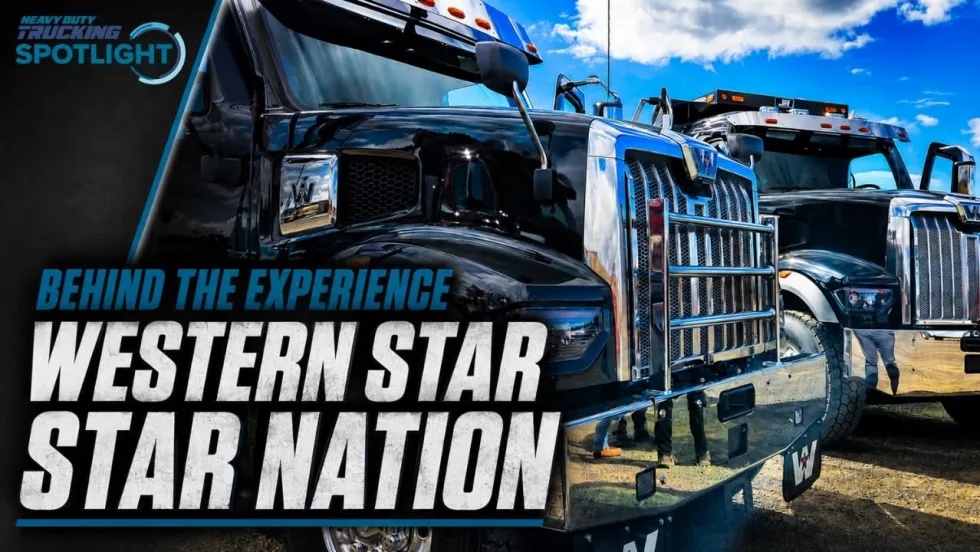
Drivers Put Western Star Trucks to the Test at Star Nation Experience
Watch to get an inside look at the Western Star trucks, technology, and community behind the Star Nation Experience 2026!
Read More →
Trump Administration Looks to Put More Veterans Behind the Wheel
The Freedom Haulers program pulls together existing and expanded programs at several federal agencies to recruit veterans to drive commercial heavy-duty trucks and cut the red tape for them to get a CDL, training, and employment.
Read More →