




Aftermarket Groups Say Adding Heavy-Duty Could Have Derailed Mass. Right to Repair
Just because the new Massachusetts Right to Repair law only covers light-duty vehicles (up to 10,000 pounds) doesn't mean that independent heavy-duty repair interests aren't continuing the fight to extend accessibility of repair information to the heavier vehicles
Just because the new Massachusetts Right to Repair law only covers light-duty vehicles (up to 10,000 pounds) doesn't mean that independent heavy-duty repair interests aren't continuing the fight to extend accessibility of repair information to the heavier vehicles.
Last week, we reported that Massachusetts' new Right to Repair law excludes medium- and heavy-duty trucks.
The new Right to Repair law requires big auto manufacturers to sell the diagnostic and safety information needed to repair customers' cars to the car owners and local car repair shops. Currently, only some information is shared, often limiting consumers to only the car dealerships and making it difficult for neighborhood shops to fully repair customers' vehicles.
When asked why the new law does not include larger vehicles, Art Kinsman, spokesman for the Massachusetts Right to Repair coalition, said it did not seem to be a large concern among the state's truck repair shops or truck owners.
The Commercial Vehicle Service Network and the Automotive Aftermarket Industry Association, which were involved in the negotiations, beg to differ, as they explained in a letter sent to HDT editors.
"The decision to take heavy-duty out of the bill was not easy," wrote Marc Karon, CVSN president, and Kathleen Schmatz, AAIA president and CEO. "Our groups are extremely concerned about the absence of information and tools to repair heavy-duty vehicles (those over 10,000 pounds). Limiting where these trucks can be serviced will lead to increased repair costs, higher shipping costs to businesses and ultimately higher prices for the products that consumers purchase."
"AAIA and CVSN had originally hoped that heavy-duty vehicles would be included in the Massachusetts legislation," says the letter. "However, as we moved closer to an agreement with the car companies, it became clear that the model of information and software sharing we were developing for light-duty vehicles would need to be different for heavy-duty vehicles due to the unique way these vehicles are assembled."
In addition, they said, while legislators had been well educated on issues involving the light-duty market, there was a resistance to delve into the heavy-duty industry.
"That resistance threatened to slow down, if not halt, the momentum that was growing behind right to repair in the state legislature," said Schmatz and Karon. "So the decision was made to remove heavy-duty vehicles from the scope of the right to repair bill."
However, the two want to make it clear that they are hardly giving up.
"Now that we have a law on the books regarding competition in the repair industry, it is AAIA and CVSN's goal to develop a strategy for ensuring that the requirements in the law extend to the heavy-duty industry," they said, either through an agreement with the engine manufacturers or through passage of a new law. "However, make no mistake, AAIA and CSVN, with the help of the industry, are committed to making it happen."
The letter also points out that in the late 1990s, AAIA successfully lobbied for passage of requirements that heavy-duty engine manufacturers share all emissions-related information and tools with independents. This mandate will take effect once on-board diagnostic requirements for heavy-duty vehicles kick in next year.
More Drivers
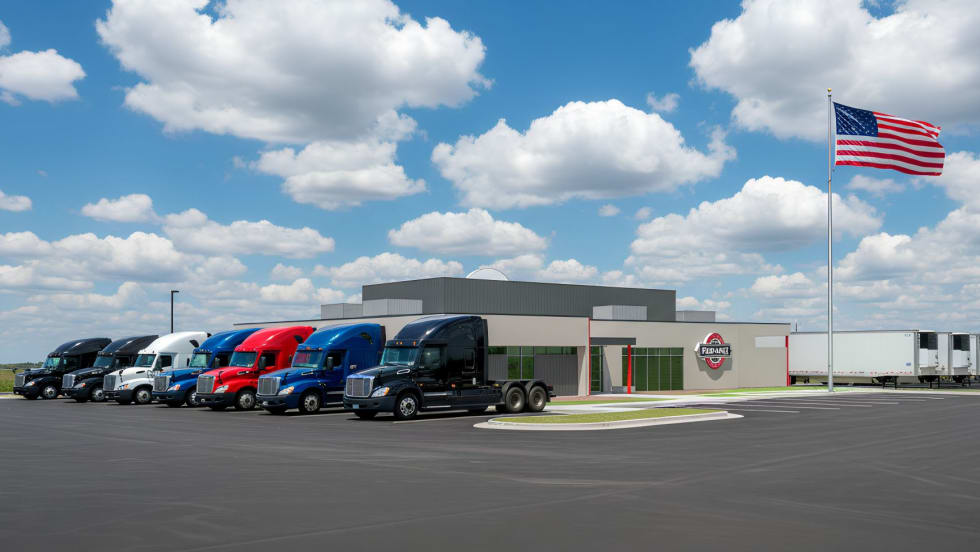
Prime Inc. to Open $7.9M Flagship Used-Truck Dealership
A new driver-focused facility to sell Prime Inc's used trucks and trailers will be the first purpose-built location in the company's history.
Read More →
Short Takes: Inside K&B’s Truck Safety Tech
Listen to learn how K&B Transportation uses cellphone-blocking technology, speed management systems, weather geofencing, bridge avoidance tools, and more to improve driver safety.
Read More →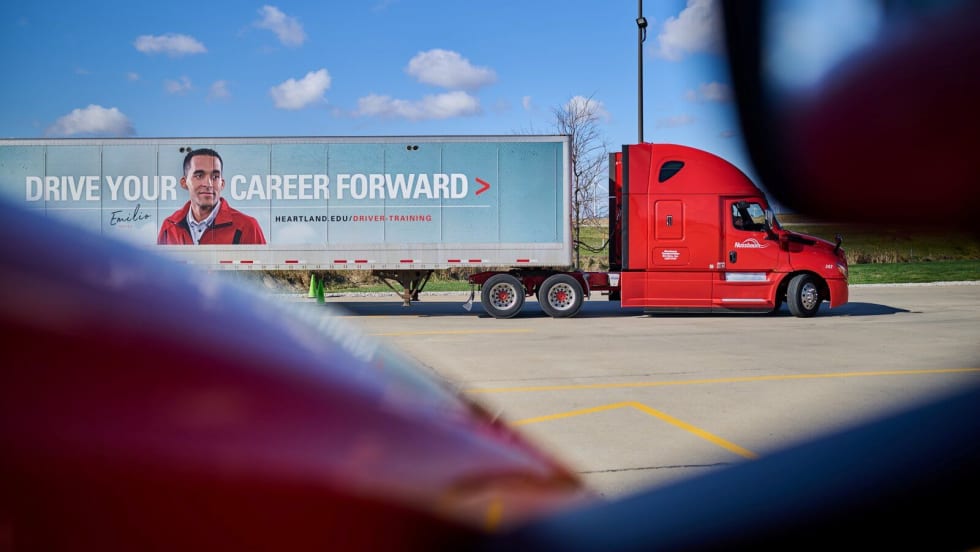
Nussbaum Expands Driver Compensation with Pay Raises, Profit Sharing
Nussbaum Transportation said its latest compensation package could push first-year driver earnings above $90,000 in key hiring markets.
Read More →
Listen: Inside Modern Fleet Safety: AI, Cameras & Speed Control at K&B Transportation
Fleet safety is evolving fast—and technology is at the center of it. Learn how a former commercial vehicle enforcement officer turned director of safety at K&B Transportation is embracing real-world safety technology.
Read More →
Maverick Announces 2026 Driver Pay Raises
New raises for Maverick Transportation drivers will take effect on May 31, 2026.
Read More →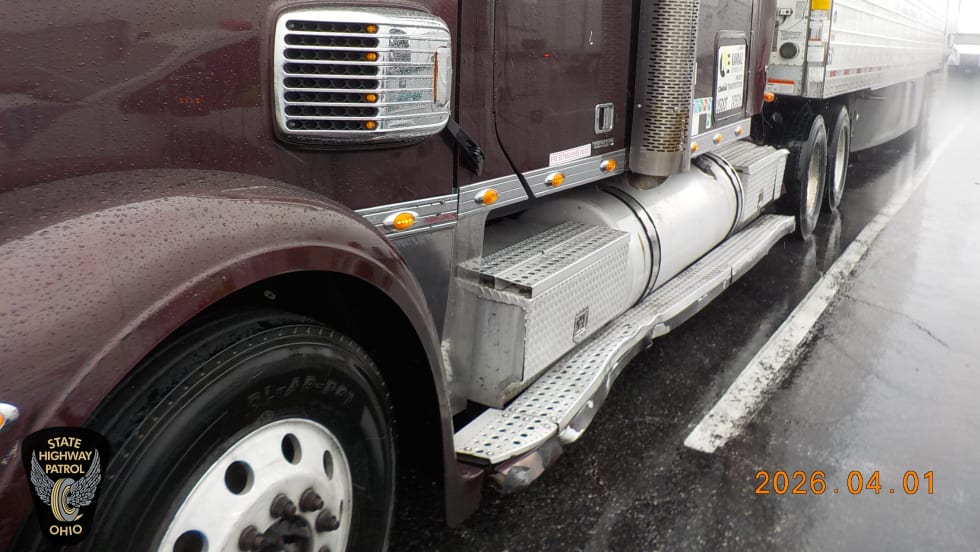
Illinois Trucker Indicted for Nearly $22,000 in Ohio Turnpike Toll Evasion
Authorities say an Illinois trucker avoided paying tolls for two years, and now faces felony charges, possible prison time, and forfeiture of his Freightliner tractor.
Read More →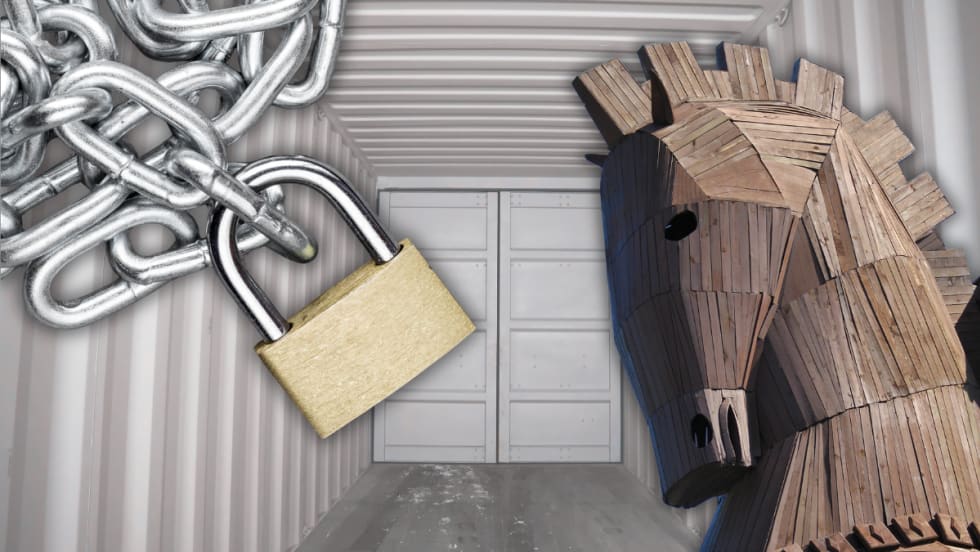
New Trojan Driver Cargo Theft Scam Bypasses Carrier Vetting Systems
Cargo theft rings plant operatives as drivers inside legitimate, fully vetted carriers, then execute coordinated thefts that look like a traditional straight theft from the outside.
Read More →
WIM, Trucker Path Name Top 3 Women-Friendly Truck Stops
ATA’s Women In Motion Council and Trucker Path highlight three truck stops that meet all seven safety-focused criteria and rank highest among female drivers.
Read More →
FMCSA Extends Paper Medical Card Exemption … Again
Five states still aren't ready to accept commercial driver medical exam information directly from the medical examiner's registry.
Read More →
Mack Launches Digital Driver Guide for Chassis-Specific Truck Info
Mack’s new, virtual owner’s manual delivers VIN-based, on-demand guidance for vehicle systems via web, app, and soon in-cab displays.
Read More →