




ATA, OOIDA Square Off on EOBR Debate
In advance of the upcoming conference committee meetings on the surface transportation bill, the American Trucking Associations and the Owner-Operator Independent Drivers Association are urging passage or rejection (respectively) of the Senate's EOBR requirement
In advance of the upcoming conference committee meetings on the surface transportation bill, the American Trucking Associations and the Owner-Operator Independent Drivers Association are urging passage or rejection (respectively) of the Senate's EOBR requirement.
Calling it the right thing to do for highway safety, ATA President and CEO Bill Graves is calling on committee members to require motor carriers use electronic logging devices to promote drivers' compliance with hours of service driving limits.
"We urge conferees in both bodies to adopt the Senate's requirement for carriers to use electronic logging devices to monitor drivers' hours-of-service compliance," Graves said in an announcement issued on Wednesday. "Clearly, these devices lead to greater compliance with maximum driving limits - which is very good for the trucking industry as a whole and highway safety."
Noting that an EOBR mandate has been previously struck down by a federal court, OOIDA Executive Vice-President, Todd Spencer wants the costly and unnecessary mandate removed from the U.S. Senate's highway surface transportation funding legislation.
"It's exorbitantly expensive while providing no safety benefit whatsoever," says Spencer. "This is being done under the guise of compliance with federal hours-of-service regulations, but it is actually a way for large motor carrier companies to squeeze more 'productivity' out of drivers and increase costs for the small trucking companies they compete with."
A provision in S.1813 would require all long-haul trucks to be outfitted with electronic on-board recorders capable of real-time tracking for monitoring of trucks and drivers.
OOIDA contends EOBRs are an unproven technology, providing no cost benefit or highway safety improvement, while ATA maintains EOBRs are already widely used and accepted by it member companies who find the technology improves compliance, safety and operating efficiency.
"Many logging devices, or electronic onboard recorders, have additional functions that aid in managing fuel use, routes and other aspects of fleet operations - reducing fuel consumption and making carriers more efficient and environmentally responsible," notes Graves. "In addition, research shows that drivers at fleets using electronic logging devices report improved morale."
In a statement issued on Wednesday, OOIDA notes that a regulatory version of an EOBR mandate was struck down by a federal Court of Appeals for the Seventh Circuit because the FMCSA failed to deal with the harassment of drivers. Noted in that ruling was the fact that no research has shown how such a mandate would do anything to improve highway safety.
"EOBRs are no more reliable than paper log books for tracking hours of service," said Spencer. "Plus, we hear every day from truckers whose companies use the devices to harass truckers into driving more hours."
In its statement, OOIDA notes that estimates from the Obama administration itself peg the cost to industry of the EOBR rulemaking to be $2 billion, making it one of the seven most expensive regulations pursued by the Administration.
More Drivers
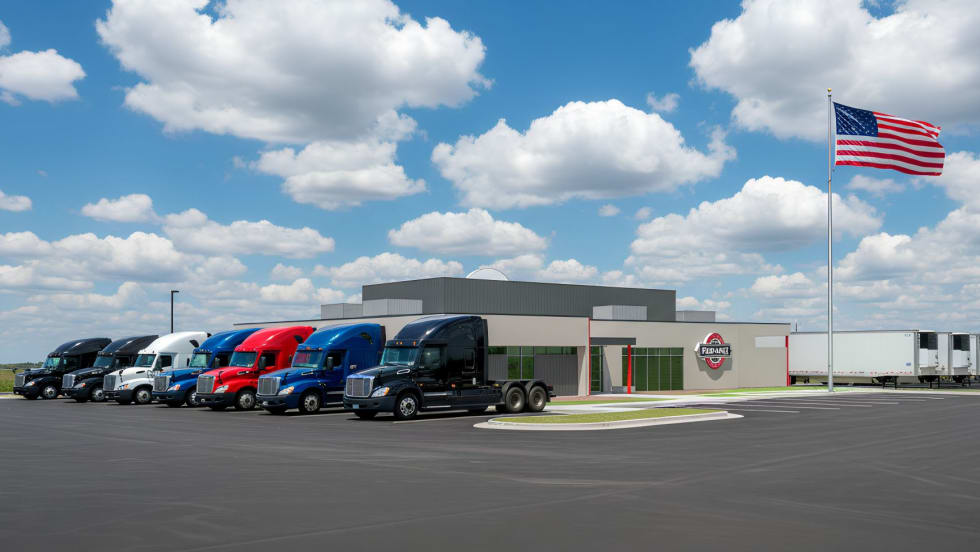
Prime Inc. to Open $7.9M Flagship Used-Truck Dealership
A new driver-focused facility to sell Prime Inc's used trucks and trailers will be the first purpose-built location in the company's history.
Read More →
Short Takes: Inside K&B’s Truck Safety Tech
Listen to learn how K&B Transportation uses cellphone-blocking technology, speed management systems, weather geofencing, bridge avoidance tools, and more to improve driver safety.
Read More →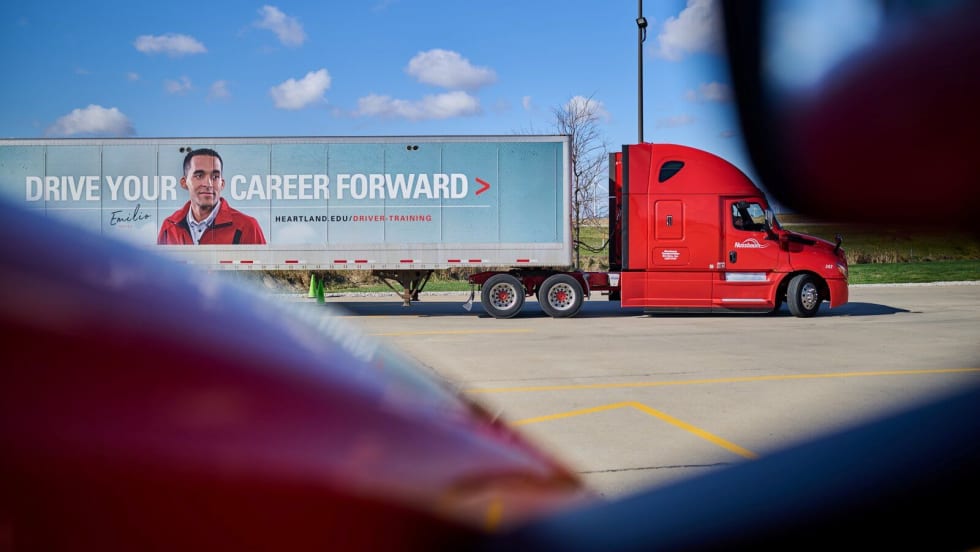
Nussbaum Expands Driver Compensation with Pay Raises, Profit Sharing
Nussbaum Transportation said its latest compensation package could push first-year driver earnings above $90,000 in key hiring markets.
Read More →
Listen: Inside Modern Fleet Safety: AI, Cameras & Speed Control at K&B Transportation
Fleet safety is evolving fast—and technology is at the center of it. Learn how a former commercial vehicle enforcement officer turned director of safety at K&B Transportation is embracing real-world safety technology.
Read More →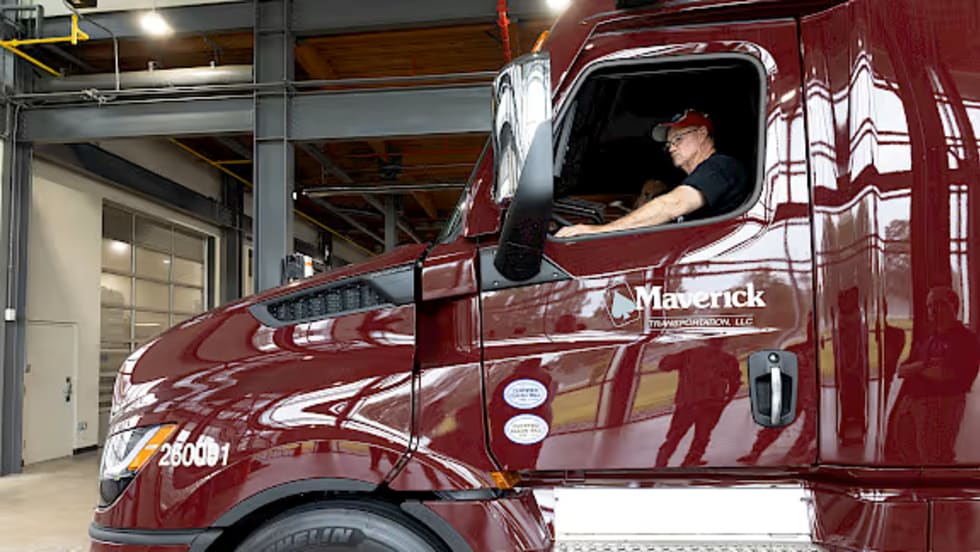
Maverick Announces 2026 Driver Pay Raises
New raises for Maverick Transportation drivers will take effect on May 31, 2026.
Read More →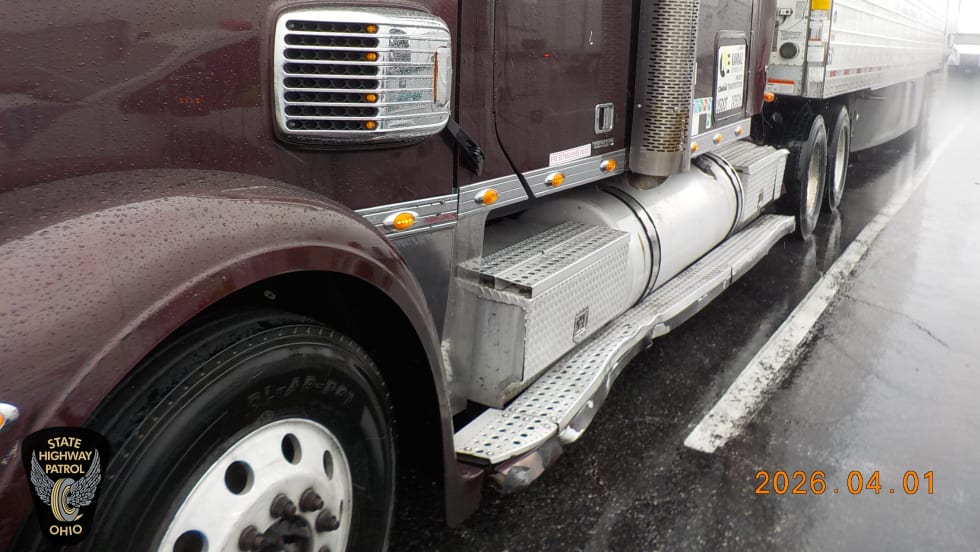
Illinois Trucker Indicted for Nearly $22,000 in Ohio Turnpike Toll Evasion
Authorities say an Illinois trucker avoided paying tolls for two years, and now faces felony charges, possible prison time, and forfeiture of his Freightliner tractor.
Read More →
New Trojan Driver Cargo Theft Scam Bypasses Carrier Vetting Systems
Cargo theft rings plant operatives as drivers inside legitimate, fully vetted carriers, then execute coordinated thefts that look like a traditional straight theft from the outside.
Read More →
WIM, Trucker Path Name Top 3 Women-Friendly Truck Stops
ATA’s Women In Motion Council and Trucker Path highlight three truck stops that meet all seven safety-focused criteria and rank highest among female drivers.
Read More →
FMCSA Extends Paper Medical Card Exemption … Again
Five states still aren't ready to accept commercial driver medical exam information directly from the medical examiner's registry.
Read More →
Mack Launches Digital Driver Guide for Chassis-Specific Truck Info
Mack’s new, virtual owner’s manual delivers VIN-based, on-demand guidance for vehicle systems via web, app, and soon in-cab displays.
Read More →