




Commentary: How Fuel-Efficient is That Electric Truck?
No standard means of demonstrating the efficiency of electric vehicles has taken root in trucking yet. But the EPA’s MPGe rating gives fleet managers a useful means of comparing new vehicles with conventional ones.

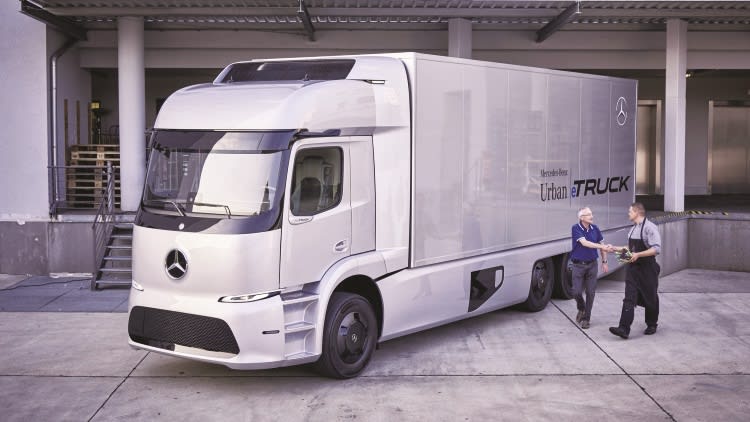
The EPA’s MPGe rating is designed to help compare electric vehicle performance with gasoline and diesel powered units. Photo: Mercedes-Benz
It’s a little strange, this waiting pattern we’re in – lots of news about new electric vehicles coming down the line, but few to put our hands on, drive and evaluate. Yet in the next 12 to 24 months, all-electric trucks and vans will enter serial production and start showing up in larger numbers in North American fleets. Drivers, technicians, and maintenance managers will begin the process of figuring out how to make these vehicles productive and profitable in real-world delivery and hauling applications.
A big part of that equation will be figuring out how economical electric trucks and vans actually are compared to the conventionally powered vehicles in the fleet. And that can be problematic if you have an entire century of figuring nothing but miles per gallon performance as your baseline. Electric vehicles, of course, do not burn fuel. Without a gallon of fuel to burn, an mpg calculation is useless. And although they do use electricity off the main power grid, with an electric meter spinning away like crazy, it’s tough to isolate a tally of daily charges for a single vehicle and separate that amount of voltage from power being used to keep the lights on and the building cool.
The most common measurement heard these days is vehicle range. This makes a lot of sense. That’s an apples to apples, real-world comparison that helps fleet managers make basic decisions on how to deploy these new assets. But even that calculation falls short if you want to compare the economic impact of, say, a gasoline-powered delivery van with an all-electric one.
To help out on this front, the U.S. Environmental Protection Agency put together an all-new calculation exclusively for electric vehicles to help fleet professionals and consumers get a better understanding of how electric vehicles perform compared to diesel or gasoline powered units.
The measurement is called MPGe, which stands for miles per gallon (electric) and was developed with input from focus groups and industry experts as a way of keeping electric vehicle performance ratings simple. With that concept in mind, an MPGe figure represents the number of miles a vehicle can travel using a quantity of “fuel” – actually electricity – with the same energy content as one gallon of gasoline – which mathematically works out to one gallon of gasoline equaling 33.7 kilowatt hours of battery power. In practice, this means that fleets can find the MPGe rating for a particular van or truck by calculating the number of miles a vehicle can go using the same energy content as a gallon of gas. So if you have an electric vehicle that uses 29 kilowatts of electricity to travel 100 miles, for example, that vehicle would get a rating of 115 MPGe. This means, in layman’s terms, that particular vehicle is as efficient as a 115-mpg truck or van would be, were it possible to build a vehicle that efficient with an internal combustion engine.
This measurement system is not without its own variables, of course. Factors such as electricity rates and gasoline and diesel prices mean that an MPGe rating in say, Mississippi, could vary greatly from one calculated in California.
There are other means of figuring electric vehicle performance, such as watt-hours per mile, or kilowatt hours per 100 miles. It remains to be seen which measurement will eventually emerge as the industry standard. But, if nothing else, the MPGe rating serves as an excellent way to demonstrate just how energy-efficient this new generation of electric trucks and vans are, and the potential positive impact they could have on fleet operations – and bottom lines – in the very near future.
Related: How Much Does it Cost to Operate a Battery Electric Truck?
More Fuel Smarts

California Bill Could Shed Light on Electric Truck Prices
Why do battery-electric Class 8 trucks remain so expensive? A California bill headed to Gov. Gavin Newsom would give fleets and state agencies more visibility into what manufacturers charge.
Read More →
Detroit Opens Orders for EPA 2027 Engines
Detroit isn’t starting from scratch to meet EPA 2027 diesel emissions standards. Its Gen 6 DD13 and DD15 engines keep much of today’s platform while updating the fuel and aftertreatment systems.
Read More →
Zero-Emission Truck Corridor Planned for West Coast
California, Oregon, Washington, British Columbia and Baja California are coordinating plans for truck charging and hydrogen fueling from Canada to Mexico.
Read More →
A Closer Look at Kenworth’s Electric T880E Vocational Truck [Video]
Learn more about Kenworth's T880E battery-electric vocational truck at the Paccar Technical Center, including its range, applications, upfitting considerations, and PTO options, in this HDT Spotlight video.
Read More →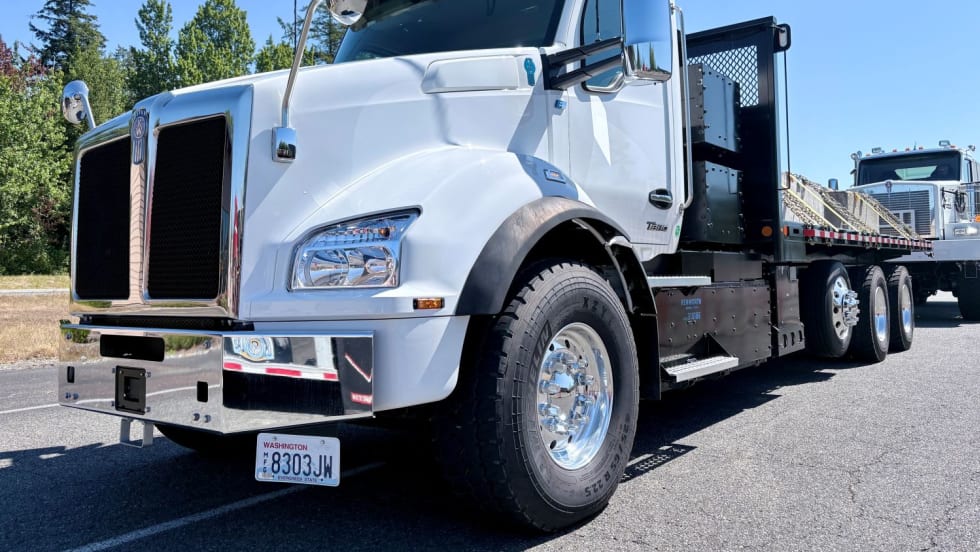
Kenworth T880E Brings EV Power to Vocational Trucks
A closer look at the Kenworth T880E’s range, charging, powertrain and upfit options — and where fleets are showing the most interest.
Read More →
Jennie Abarca Is Proving Electric Trucks Can Do the Job
HDT Truck Fleet Innovator Jennie Abarca is building confidence in fleet electrification one load at a time while openly sharing the challenges she encounters along the way as a small-fleet owner.
Read More →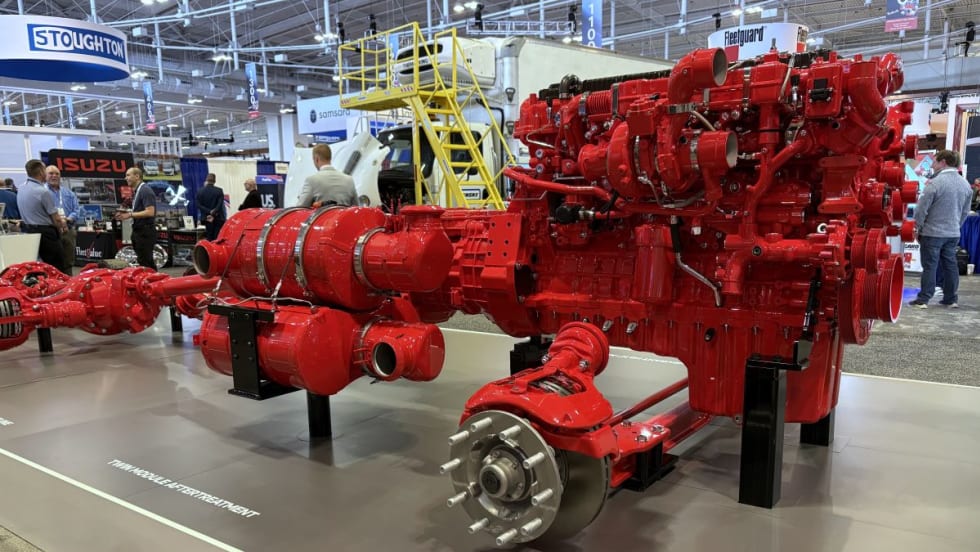
Cummins Adjusts 2027 Engine Rollout After EPA Proposal
The engine maker will gradually introduce its new Model Year 2027 diesel engines while continuing to offer current models during the transition, citing the EPA's proposed emissions rule changes.
Read More →
EPA Proposal Could Ease 2027 Truck Costs and Buying Uncertainty
The proposal doesn't change the tougher NOx standard, but it would revise key implementation requirements that manufacturers say have driven up costs and complicated fleet purchasing decisions.
Read More →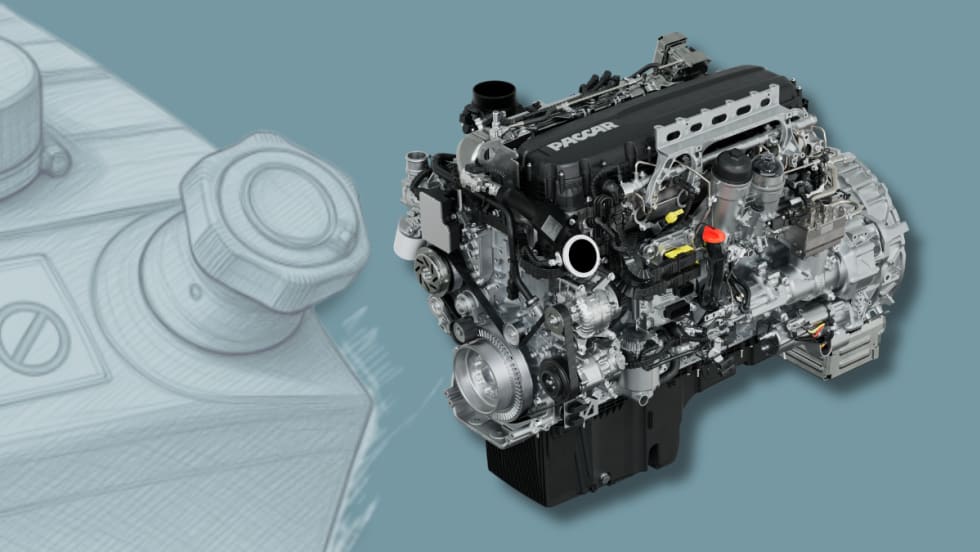
Cummins, Paccar Ease DEF Derates After EPA Guidance
Updated diesel engine software gives truck operators more time to address emissions-system issues while staying compliant with EPA emissions standards.
Read More →
Maintenance in the Messy Middle Part 3: Biodiesel
Biodiesel can reduce emissions, improve fuel-system lubricity and use existing diesel infrastructure. But NACFE’s Messy Middle maintenance report says fleets must actively manage storage, cold-weather operation, filters and oil drain intervals to avoid problems.
Read More →