




Related: Electric, Hybrid Trucks to Exceed 1.6 Million Units by 2027
Mack: Path to Electrification is Not Straight to Linehaul
Mack Trucks continues to see a healthy future for diesel engines, even as alternatives like electrification begin to emerge.
by John G. Smith
December 6, 2017
2 min to read
Mack Trucks continues to see a healthy future for diesel engines, even as alternatives like electrification begin to emerge.
“Diesel today, it’s performing extremely well. It’s cleaner than it’s ever been, it’s robust, it’s versatile,” said Roy Horton, director – product strategy, during a briefing in Oakland, California. As for talk about electric trucks? “It’s almost a little bit of an uphill battle there.”
Electrification is “on the bubble, and it’s something everyone is looking at,” he said, admitting that the recent unveiling of Elon Musk's Tesla Semi attracted attention. “It’s definitely going to be part of our future.” Just not for longhaul. Not right away.
Mack believes the earliest adopters of electrification will be operations with the chance to charge at a home base and not depend on general infrastructure for fuel. That includes refuse, local delivery, and public transportation fleets.
Next would be applications with fixed routes where infrastructure is established but longer ranges are less of a concern. That opens opportunities for local distribution, regional haulers, and select vocational segments.
Longhaulers would be the last to use the trucks, drawing on power from secured infrastructure.
For its part, Mack has already been working with electrification in its own right. It unveiled a range-extended LR refuse truck in 2016, and a diesel-electric hybrid drayage truck. With Siemens it is also experimenting with the idea of electric highways, with vehicles drawing on the power of wires strung along the routes. The company is producing electric buses, too.
Mack will focus on electrification where it’s “commercially viable”, stressed Jonathan Randall, Mack’s senior vice president – North American sales. As for new players such as Nikola Motors and Tesla? “Competition is good.”
Mack’s work with alternative power sources hardly ends there. It already has experience with biodiesel, ethanol, hydrogen, natural gas, propane, and Dimethyl Ether (DME).
“We have, and continue to investigate, all of the viable alternatives,” Horton said.
“Mack is well-positioned, no matter which way the market goes.”
John G. Smith is the editor of the award-winning Canadian publication Today's Trucking. This article was used under a cooperative editorial sharing agreement between HDT and its Canadian counterpart.
Subscribe to Our Newsletter
More Fuel Smarts

California Bill Could Shed Light on Electric Truck Prices
Why do battery-electric Class 8 trucks remain so expensive? A California bill headed to Gov. Gavin Newsom would give fleets and state agencies more visibility into what manufacturers charge.
Read More →
Detroit Opens Orders for EPA 2027 Engines
Detroit isn’t starting from scratch to meet EPA 2027 diesel emissions standards. Its Gen 6 DD13 and DD15 engines keep much of today’s platform while updating the fuel and aftertreatment systems.
Read More →
Zero-Emission Truck Corridor Planned for West Coast
California, Oregon, Washington, British Columbia and Baja California are coordinating plans for truck charging and hydrogen fueling from Canada to Mexico.
Read More →
A Closer Look at Kenworth’s Electric T880E Vocational Truck [Video]
Learn more about Kenworth's T880E battery-electric vocational truck at the Paccar Technical Center, including its range, applications, upfitting considerations, and PTO options, in this HDT Spotlight video.
Read More →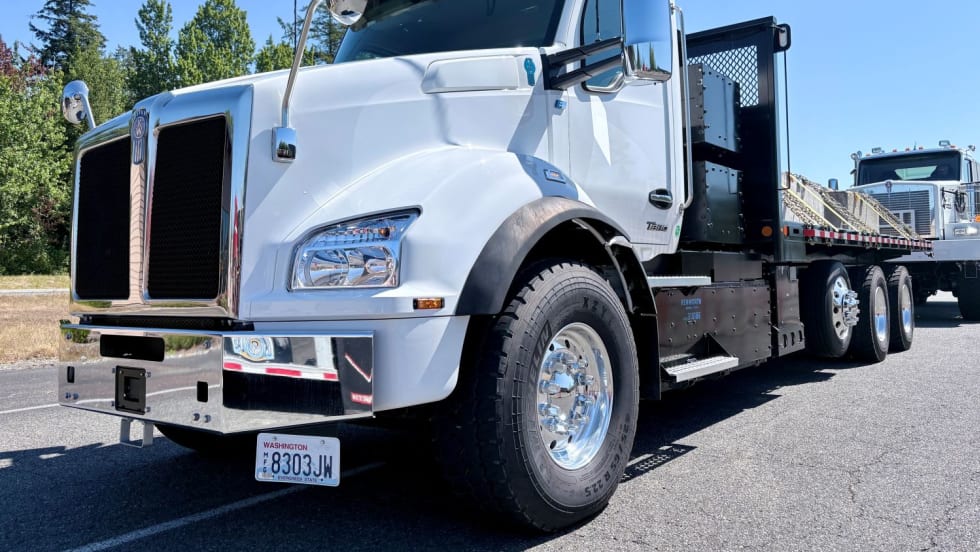
Kenworth T880E Brings EV Power to Vocational Trucks
A closer look at the Kenworth T880E’s range, charging, powertrain and upfit options — and where fleets are showing the most interest.
Read More →
Jennie Abarca Is Proving Electric Trucks Can Do the Job
HDT Truck Fleet Innovator Jennie Abarca is building confidence in fleet electrification one load at a time while openly sharing the challenges she encounters along the way as a small-fleet owner.
Read More →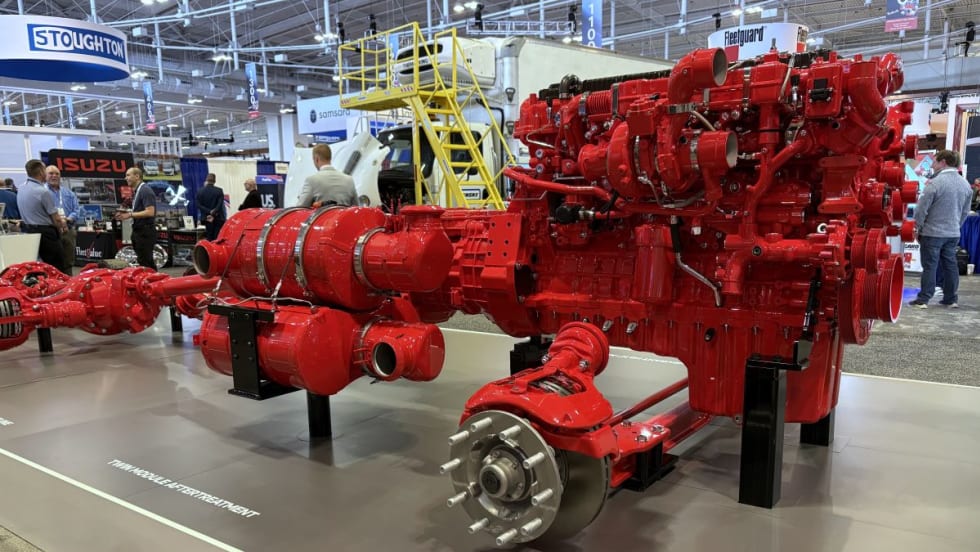
Cummins Adjusts 2027 Engine Rollout After EPA Proposal
The engine maker will gradually introduce its new Model Year 2027 diesel engines while continuing to offer current models during the transition, citing the EPA's proposed emissions rule changes.
Read More →
EPA Proposal Could Ease 2027 Truck Costs and Buying Uncertainty
The proposal doesn't change the tougher NOx standard, but it would revise key implementation requirements that manufacturers say have driven up costs and complicated fleet purchasing decisions.
Read More →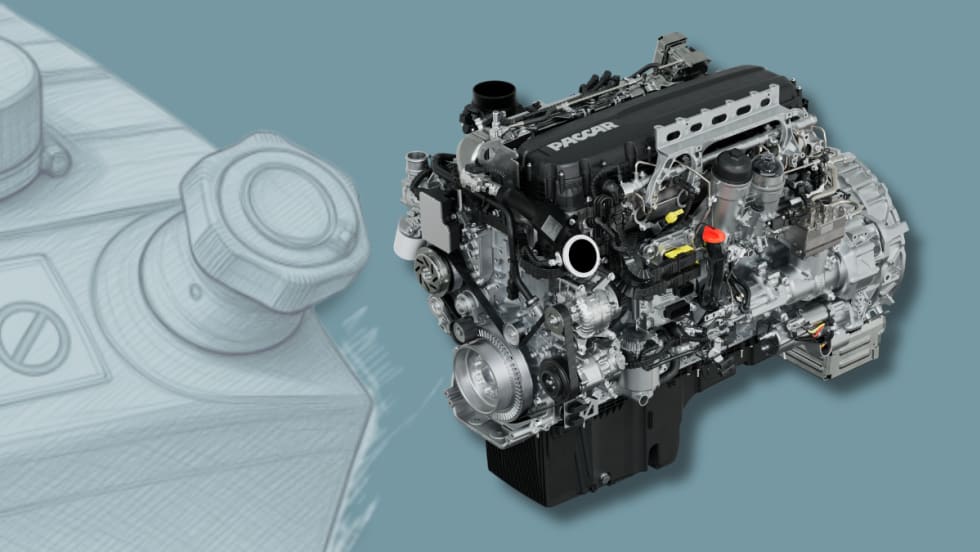
Cummins, Paccar Ease DEF Derates After EPA Guidance
Updated diesel engine software gives truck operators more time to address emissions-system issues while staying compliant with EPA emissions standards.
Read More →
Maintenance in the Messy Middle Part 3: Biodiesel
Biodiesel can reduce emissions, improve fuel-system lubricity and use existing diesel infrastructure. But NACFE’s Messy Middle maintenance report says fleets must actively manage storage, cold-weather operation, filters and oil drain intervals to avoid problems.
Read More →