





Related: The Hottest Industry In The Land
Commentary: Will Electric Trucks Charge Ahead?
They are already here in small numbers, and several P&D fleets...are aggressively evaluating their performance today. So what does the future hold for electric trucks? Senior Editor Jack Roberts writes in his June column.
June 26, 2017

Jack Roberts
3 min to read

Jack Roberts
Until very recently, “cutting edge” was a term not usually associated with American truck fleets. Even in the hallowed halls at the American Trucking Associations’ Technology & Maintenance Council, discussions on emerging technology are often sprinkled with a great deal of caution or even outright pessimism. The technology in and of itself is fascinating, its members will often tell you. But they get paid to make sure freight gets delivered and trucks keep running. And new technology can get really scary fast then you’re looking at things through that particular prism. So, it’s only natural that many fleet managers look upon electric trucks with skepticism.
Still, the trend lines are plainly visible. There is a lot happening in the electric commercial vehicle space right now, with Nikola to Tesla here in the States, Mitsubishi Fuso and Hino in Japan, Mercedes-Benz in Germany, and now Scania in Sweden.
Electric trucks are already here in small numbers, and several P&D fleets, FedEx, and UPS, in particular, are aggressively evaluating their performance today. At a minimum, it seems reasonable to assume that electric trucks will be attempting to break into the American market in an even bigger way soon — quite possibly within the next couple of years.
And interestingly, we’re now seeing electric drivetrains being combined with other alternative fuels to create new hybrid propulsion systems for trucks. Scania is the “other” Swedish truck manufacturer over in Europe: The one that doesn’t sell trucks here in the States. But its approach to electric trucks is interesting because the company is not limiting itself to one particular technology path. It has embraced a wide range of new EV technologies, including “conventional” battery-powered vehicles, buses that recharge wirelessly, tractors that connect to an overhead power line — even a new hybrid system that runs on a hydro-treated vegetable oil-electric drivetrain.
Nils-Gunnar Vågstedt is Scania’s chief researcher for vehicle electrification. He said that currently, there is tremendous momentum for electrified solutions and its environmental benefits, including a zero carbon footprint, quieter vehicles, and zero particle emissions. “A lot has happened just during the last year and a half,” Vågstedt noted. “We have gone from treating electrification primarily as a research area to having many discussions with customers who want to make the shift to sustainable transport.”
Vågstedt said Scania has identified several major global trends that point to increased interest in electric commercial vehicles:
Interest in low-emission commercial vehicles from consumers in Europe is growing daily. As a result, the pressure on OEMs and suppliers in Europe to develop viable systems and vehicles is “intense.”
China is the leading market for electric commercial vehicles today and accounts for 95% of the world’s stock of electric buses now in service with more than 100,000 units on the road.
The price points on battery technology and associated technologies are falling rapidly.
Acquisition costs remain high, but long-term operating costs are lower for fleets.
Development of long-haul electric commercial vehicles currently lags behind buses and urban and regional vehicles, but market forces are already starting to ramp up work on these models.
So, the stage is set for some interesting developments in the coming years. And who’s to say? Maybe it will be the Americans who take the lead in terms of long-haul electric tractors, which would be ironic considering the current skepticism for the technology here in America on the fleet side of things.
Subscribe to Our Newsletter
More Fuel Smarts

Trucking’s Diesel Squeeze Isn’t Letting Up
With diesel topping $6 a gallon nationally, ATA's Bob Costello explains why fleets should prepare for continued pressure at the pump.
Read More →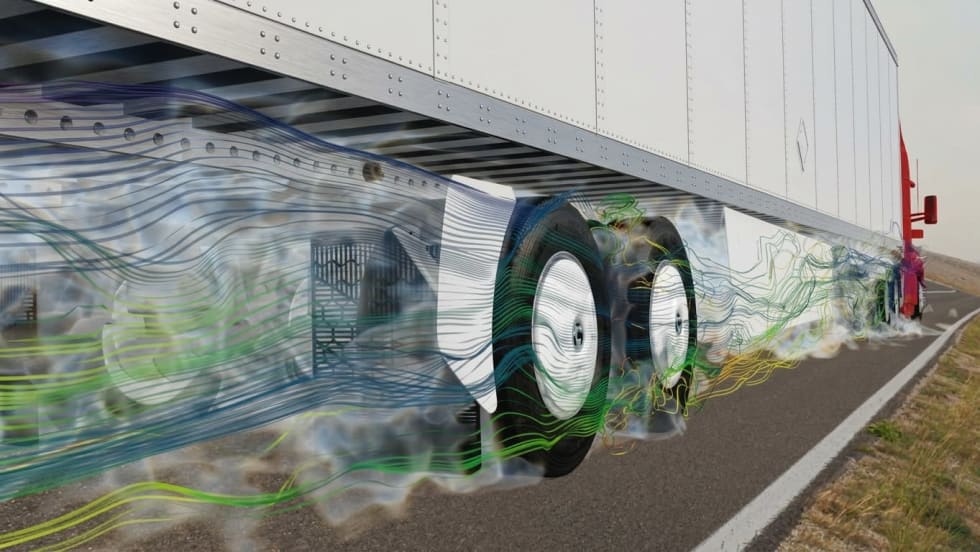
FlowBelow Redesigns Trailer AeroSlider to Cut Fuel Use
The lighter trailer aerodynamic system installs in less than 45 minutes, according to the company, with potential payback in under a year depending on fuel prices and trailer mileage.
Read More →
Why Diesel Price Relief Efforts May Fall Short
Diesel prices have eased from September’s record high, but doubts about additional Russian supply and limits on dyed-diesel tax relief mean trucking fleets still face expensive fuel. And prices could go higher.
Read More →
Why Small Fuel Savings Matter in Trucking
Can better fuel economy help pay for driver raises? In this podcast, GP Transco explains how small efficiency gains create room to reinvest in its people.
Read More →
How GP Transco Cuts Trucking Fuel Costs, a Tenth of a Gallon at a Time
What’s another tenth of a mile per gallon worth? GP Transco shares how equipment upgrades and driver coaching turn small gains into meaningful fuel savings.
Read More →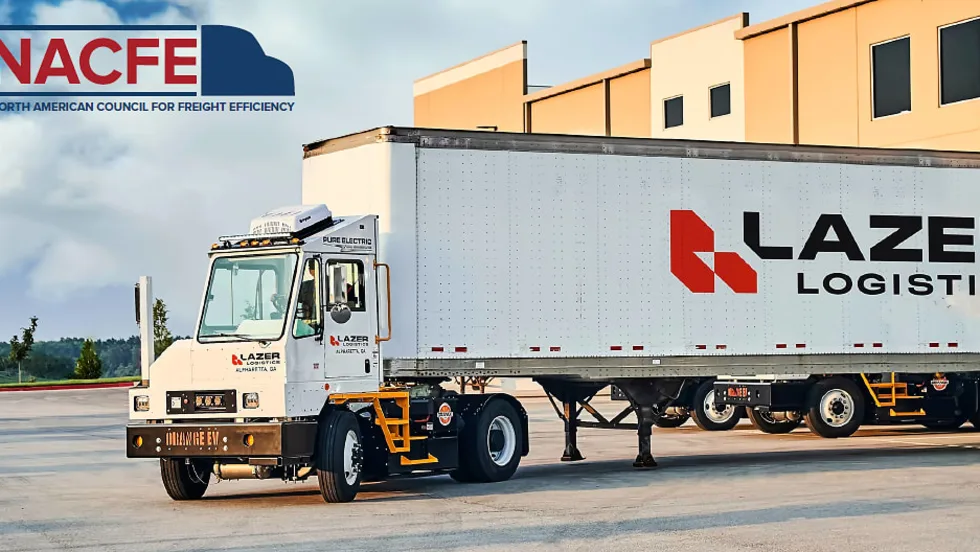
Electric Yard Tractors Move Beyond Pilots
Operating-cost savings have overtaken sustainability goals as the leading reason surveyed fleets are adopting battery-electric terminal tractors, according to new NACFE research.
Read More →
Geotab Links Fleet Card to Vehicle Data
The new card combines fuel discounts with telematics-based purchase controls. Geotab’s analysis also points to potential savings from choosing lower-priced fuel stops.
Read More →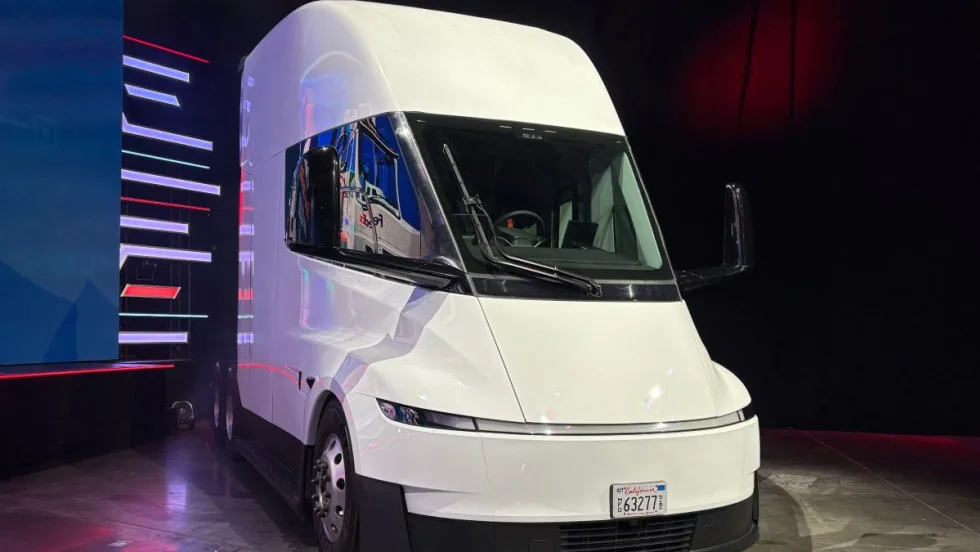
Fleet Economics Shape Electric Truck Outlook
ACT Research expects costs, charging infrastructure, and technology improvements to drive zero-emission commercial vehicle adoption as federal regulations and incentives retreat.
Read More →
Wex Adds Cardless Fuel Payments for Over-the-Road Customers
A new fuel card feature for Wex customers offers convenience and security.
Read More →
New California Law Could Shed Light on Electric Truck Prices
Why do battery-electric Class 8 trucks remain so expensive? A California bill signed by Gov. Gavin Newsom would give fleets and state agencies more visibility into what manufacturers charge.
Read More →