




Prepare Your Fleet Now for Higher Fuel Prices Later
While fuel prices may not be as high as they were a few years ago, strict oversight of fuel assets can help maintain a healthy bottom line over the long term. One way to do that is with modern cardlock systems.
by Bobby Hayes, OPW
March 9, 2017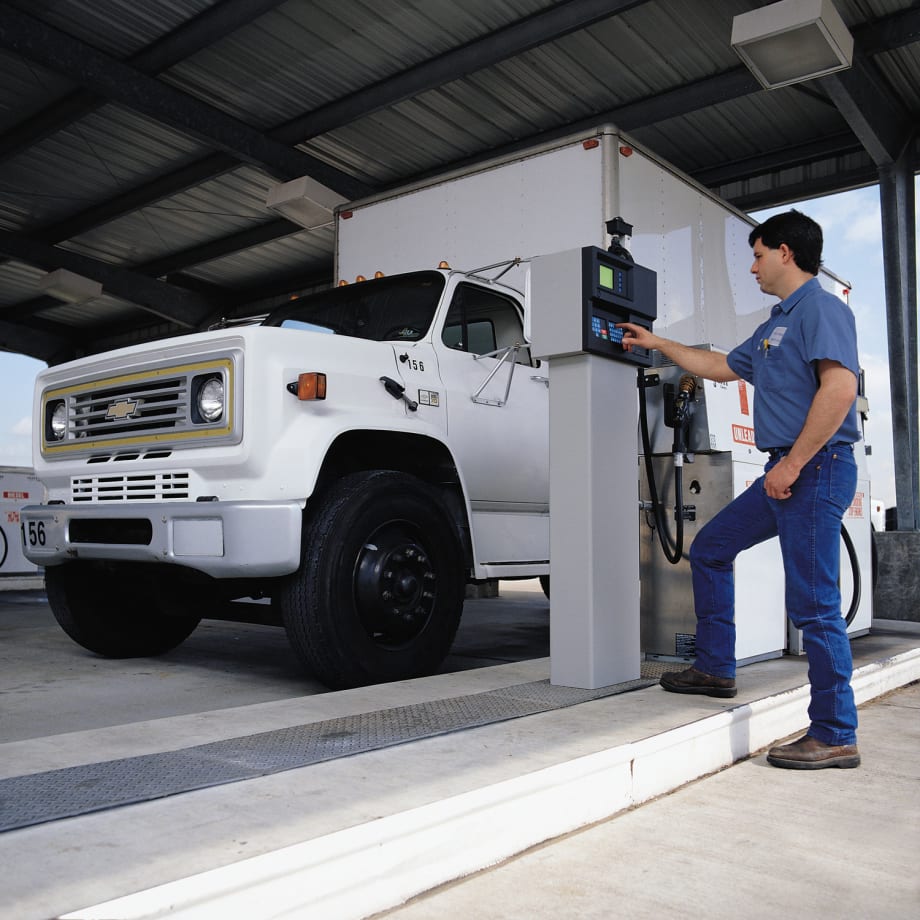
Cardlock systems help fleet administrators manage their fuel assets by making it easier to authorize and provide accountability for fuel usage. Photo courtesy OPW
3 min to read
Cardlock systems help fleet administrators manage their fuel assets by making it easier to authorize and provide accountability for fuel usage. Photo courtesy OPW
While fuel prices may not be as high as they were a few years ago, fleet managers continue to be challenged by an unpredictable fuel market that makes it difficult to budget for fuel expenditures. Strict oversight of fuel assets can help maintain a healthy bottom line over the long term.
The Department of Energy is projecting moderate increases in the price of crude oil and diesel fuel over the next year, but as always, unrest in the Middle East could wreak havoc with those gradual price projections. The best time to review the effectiveness of your site’s fuel management equipment is before price spikes hit. Such an audit can help identify ways to cut costs through reduced fuel losses and streamlined operations.
Control Fuel to Reduce Expenses
Whether you're managing a large fleet of more than 1,000 tractor-trailers or a small fleet of 25 concrete trucks, aging equipment and fuel are two of the largest expenses. What’s more, one expense (variable fuel costs) makes it difficult to fund the maintenance and equipment needed to overcome the other (aging equipment).
Cardlock systems, also known as fuel control systems, let fleet administrators carefully manage fuel assets by providing authorization and accountability of fuel usage. By tracking every gallon of fuel that goes into every fleet vehicle, fuel control systems help identify unauthorized fueling, prevent fuel theft, document fuel usage and create visibility into operating costs.
Today's fuel control systems also can help drive efficiencies in your operation. For example, many fleets still rely on manual statistical inventory reconciliation, which is inaccurate, inefficient, and expensive. Automated reconciliation programs eliminate hours of manual data collection, calculation, and reporting, and today's software-based solutions improve the accuracy of the fuel usage data that is collected. Fleets that incorporate a tank gauge and a full-featured reconciliation software into their system significantly increase the depth of inventory data available to them while also streamlining reconciliation procedures.
Through instant visibility into fuel volumes and anticipated usage, fleet directors are able to optimize the timing and pricing of fuel deliveries, a cost-cutting strategy that quickly pays off, whether buying millions of gallons of fuel annually or less than 50,000 gallons.
You also can optimize preventive maintenance programs by using fuel management software. Many fuel management programs allow vehicle mileage data to be exported into fleet management programs. By supporting better scheduling of vehicle maintenance, the software helps prevent unplanned vehicle downtime.
Plan for the future
To make sure your cardlock system can keep up with your company's needs as it grows, look at fuel management equipment that is designed with upgradeability in mind.
Upgrading select components within an existing cardlock system can lead to workflow efficiencies and cost savings. For example, a terminal that upgrades its 20-year-old cardlock system’s site controller will significantly enhance the system’s performance capabilities. Fleet administrators will be able to take advantage of the latest fuel management software, which often includes advanced reporting capabilities and fleet maintenance integration. Equipped with fuel inventory data collection and reporting capabilities, the updated site controller can help cut costs through streamlined data management.
The recent low fuel prices have yielded savings for fleet managers; now is a good time to look at investing those savings in fuel management technology. Expanding fuel control practices before higher fuel prices hit is essential because when fuel prices rise, fuel theft also increases. Fuel theft at $2 a gallon is certainly unwelcome, but theft, when fuel is $4 a gallon, can be devastating. Heavy-duty fleets that invest now to strengthen their fleet and fuel management programs for the future will be in a better position to preserve their bottom lines amid challenging economic conditions.
Bobby Hayes is the domestic sales manager at OPW Fuel Management Systems in Hodgkins, Illinois. This article was authored under the guidance and editorial standards of HDT's editors to provide useful information to our readers.
Subscribe to Our Newsletter
More Fuel Smarts

How Volvo Updated Its D13 for EPA 2027 [Watch]
Volvo’s updated D13 promises lower emissions without sacrificing performance or fuel economy. Take a closer look at what changed inside the engine in this HDT Spotlight video.
Read More →
Diesel Price Spike Shortens Payback for Natural Gas Trucks, Report Says
Energy Vision estimates fleets could recover the higher purchase price of an RNG-fueled Class 8 tractor in 1.3 to 2.8 years under current fuel-price scenarios.
Read More →
Calstart Becomes Catalyst Mobility, Reflecting Broader Focus
Calstart is now Catalyst Mobility, reflecting the nonprofit’s growing national role in clean transportation, including zero-emission trucks, infrastructure and incentive programs.
Read More →

Record Diesel Prices Squeeze Trucking Fleets
Average U.S. diesel prices have climbed to nearly $6 a gallon, surpassing the 2022 record as tight refinery capacity and Middle East disruptions keep fuel costs elevated.
Read More →
Sponsored•September 9, 2026
How Fuel Delivery Shapes Engine Performance
Fuel delivery depends on more than what happens at the injector. For fleet, maintenance and technical professionals, looking at the full path from pump to injector can provide useful context for understanding engine performance.
Read More →
East Coast Port Launches $45M Electric Truck Push
The Port Authority of New York and New Jersey announced millions in incentives for zero-emission drayage trucks, yard tractors, and new charging hubs near the port.
Read More →
California Bill Could Shed Light on Electric Truck Prices
Why do battery-electric Class 8 trucks remain so expensive? A California bill headed to Gov. Gavin Newsom would give fleets and state agencies more visibility into what manufacturers charge.
Read More →
Detroit Opens Orders for EPA 2027 Engines
Detroit isn’t starting from scratch to meet EPA 2027 diesel emissions standards. Its Gen 6 DD13 and DD15 engines keep much of today’s platform while updating the fuel and aftertreatment systems.
Read More →
Zero-Emission Truck Corridor Planned for West Coast
California, Oregon, Washington, British Columbia and Baja California are coordinating plans for truck charging and hydrogen fueling from Canada to Mexico.
Read More →
A Closer Look at Kenworth’s Electric T880E Vocational Truck [Video]
Learn more about Kenworth's T880E battery-electric vocational truck at the Paccar Technical Center, including its range, applications, upfitting considerations, and PTO options, in this HDT Spotlight video.
Read More →