




Related: Driving on Kilowatts
PG&E Electrifies Its Sustainability Efforts
PG&E has proposed the building of 25,000 public EV chargers throughout California. Along with San Diego Gas & Electric and Southern California Edison, it is waiting for approval from the California Public Utilities Commission.
by Staff
September 28, 2015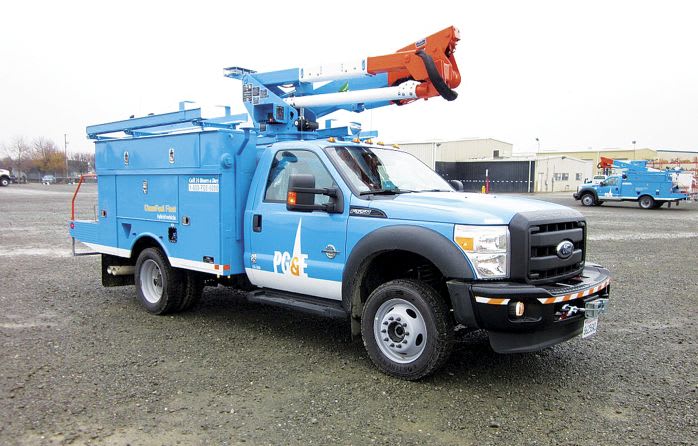
Photo: PG&E
3 min to read
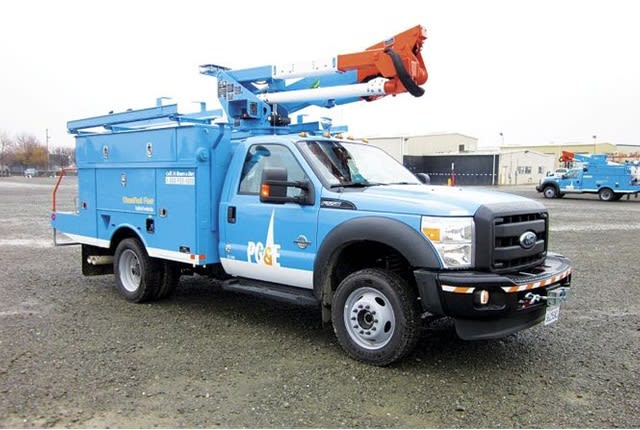
Photo: PG&E
San Francisco-based energy provider Pacific Gas and Electric Company (PG&E) has approximately 3,400 alternative-fuel vehicles — around 1,500 biodiesel, 800 natural gas, and 1,100 electric-based (hybrid, plug-in hybrid, or battery electric).
According to Dave Meisel, PG&E’s senior director of transportation and aviation services, when analyzing alternative fuels, he takes four considerations into account: if it fits the need of the business, if there are durability or reliability issues with the product, emissions, and total cost of ownership.
“We always look to be practical,” Meisel said.
One area of sustainability that PG&E has focused on is the expansion and implementation of EV charging infrastructure in California.
PG&E has proposed the building of 25,000 public EV chargers throughout California. Along with San Diego Gas & Electric and Southern California Edison, it is waiting for approval from the California Public Utilities Commission to install the charging infrastructure, although approval is expected, according to Meisel.
“It’s hard to sell the vehicles without the infrastructure. It’s hard to pay for infrastructure when there are no vehicles. So, it is a vicious circle. But, I think the utilities and the commission have figured out that, before you can ask people to buy vehicles, you have to be able to fuel them. Investing in the infrastructure is what all the utilities are requesting now,” Meisel said.
The company is also leading by example, by increasing EV charging infrastructure for its workforce. PG&E is committing $3 million per year over the next three years to install employee charging infrastructure.
“We started putting in electric vehicle infrastructure for our employees and our company cars and made it dual-purpose. We’ve seen our independent charging sessions improve from about 600 a day one year ago to almost 2,500 today,” he said.
According to Meisel, this achievement is due to an increase in both the number of vehicles with electric technology and the number of charging stations PG&E owns.
In addition, PG&E released its Class 5 plug-in hybrid-electric bucket truck in the fall of 2014, which the company developed in partnership with Efficient Drivetrains Incorporated (EDI). The truck features up to 40 miles of all-electric range, along with a next-generation electric power take-off system that allows crews to operate the bucket and auxiliary systems without having to idle the engine, reducing emissions and noise.
“We took our shaft-driven PTO and made it electric. Now, our hydraulic system runs off of an electric pump as opposed to a shaft-driven pump. We also put electric heat and air conditioning in the cab and ran the lighting and tool circuit off a battery. We’ve taken idling from four to six hours a day to basically zero,” Meisel said.
The truck also offers up to 120 kilowatts of exportable power — enough to power a neighborhood while electric crews make repairs.
Ultimately, for PG&E, the use of electric-based vehicles in its fleet is a no-brainer.
“We believe electric transportation is the right thing, not only for the environment, but for our country. And, electricity, particularly in California, is incredibly clean from a generating mode. So, we like to say we like the idea of producing clean energy to drive clean transportation,” Meisel said.
Subscribe to Our Newsletter
More Fuel Smarts

How GP Transco Builds Fuel Savings a Fraction at a Time
Aerodynamic specs, solar panels, and driver incentives help GP Transco turn small efficiency gains into savings it can reinvest in its people.
Read More →
Trucking’s Diesel Squeeze Isn’t Letting Up
With diesel topping $6 a gallon nationally, ATA's Bob Costello explains why fleets should prepare for continued pressure at the pump.
Read More →
FlowBelow Redesigns Trailer AeroSlider to Cut Fuel Use
The lighter trailer aerodynamic system installs in less than 45 minutes, according to the company, with potential payback in under a year depending on fuel prices and trailer mileage.
Read More →
Why Diesel Price Relief Efforts May Fall Short
Diesel prices have eased from September’s record high, but doubts about additional Russian supply and limits on dyed-diesel tax relief mean trucking fleets still face expensive fuel. And prices could go higher.
Read More →
Why Small Fuel Savings Matter in Trucking
Can better fuel economy help pay for driver raises? In this podcast, GP Transco explains how small efficiency gains create room to reinvest in its people.
Read More →
How GP Transco Cuts Trucking Fuel Costs, a Tenth of a Gallon at a Time
What’s another tenth of a mile per gallon worth? GP Transco shares how equipment upgrades and driver coaching turn small gains into meaningful fuel savings.
Read More →
Electric Yard Tractors Move Beyond Pilots
Operating-cost savings have overtaken sustainability goals as the leading reason surveyed fleets are adopting battery-electric terminal tractors, according to new NACFE research.
Read More →
Geotab Links Fleet Card to Vehicle Data
The new card combines fuel discounts with telematics-based purchase controls. Geotab’s analysis also points to potential savings from choosing lower-priced fuel stops.
Read More →
Fleet Economics Shape Electric Truck Outlook
ACT Research expects costs, charging infrastructure, and technology improvements to drive zero-emission commercial vehicle adoption as federal regulations and incentives retreat.
Read More →
Wex Adds Cardless Fuel Payments for Over-the-Road Customers
A new fuel card feature for Wex customers offers convenience and security.
Read More →