




Commentary: Trucks Could Borrow From F1 Hybrid Tech
The latest hybrid V-6 Formula One engines are marvels of technology that may give us a glimpse into the future of truck efficiency and performance.

Rolf Lockwood, Executive Contributing Editor.

The pinnacle of automotive engineering, and easily its most expensive pursuit, is to be seen in the sometimes nutty world of Formula One racing. The 2014 season just finished and it was no exception to that nutty rule. Mercedes-Benz took the title, its drivers finishing one-two while winning 15 of the year’s 18 races. Total dominance like never before, almost solely because its engines were dramatically superior to the others.
And the cool thing is, 2014 rules called for manufacturers to build gas/electric hybrids.
The cars of F1 are rigidly regulated in every aspect of their design down to the tiniest detail, from chassis to bodywork and on to the engine and gearbox. Teams are free to design and build their cars however they want, so long as they stick to the “formula.”
The engine formula was changed radically for the 2014 season. As well as requiring an electric hybrid design, it left the previous 2.4-liter V8 behind in favor of a tiny turbocharged 1.6-liter V6. Gone was the high-pitched noise of 18,000 rpm, in came the oddly low rumble of 12,000 rpm. Fans — and many drivers — hated it. Too quiet, they said. The engines buzzed instead of screaming like banshees.
F1 engines have actually been hybrids of a sort since 2009 when they added “KERS” — “kinetic energy recovery system” — to the design, which harvested braking energy, stored it in batteries, and gave some 82 hp back to the driver at the touch of a button. But only for 6.6 seconds per lap. The new engine essentially doubled that gift of power and made it available for much longer.
With some 160 electric horses added to the 600-plus already made by the little V6, today’s F1 cars easily hit speeds of around 200 mph, no slower than the V8s. Yet they use just over half as much fuel as last year. Remarkable by any standard.
One of the design challenges was that the fuel quantity allowed for a race was limited to 220 pounds, 35% less than in 2013. And the fuel-flow rate, which used to be unlimited, was also restricted, producing a top turbo boost pressure of about 50 psi.
The most interesting thing about these new engines is the hybrid side. There are now two points of waste-energy recovery by way of “motor generator units” or MGU. There’s the MGU-K, which recovers energy from braking, and the MGU-H that grabs energy from the exhaust via the turbo.
Specifically, the MGU-H takes power from the turbocharger’s spinning shaft, turning it into a generator and converting heat from the exhaust gases into power that’s either used immediately to propel the car or stored for future use. Essentially, it replaces a wastegate, which would dump excess exhaust.
The MGU-H also runs in reverse and thus controls and boosts the speed of the turbocharger, which compensates for turbo lag. There’s no waiting for the turbo to spool up. In essence, the turbo turns itself into a supercharger for a very brief moment until the exhaust power takes charge again.
And the coolest thing about this is that we’re bound to see it in cars and hopefully trucks before long, because it does what hybrids haven’t yet been able to do — recover waste energy while cruising. No longer dependent solely on braking as an additional power source, the hybrid package becomes far more useful.
And far more promising for us if turning the turbocharger into an electricity generator can be made to work for on-highway truck engines.
Rolf Lockwood is vice president, editorial, at Newcom Business Media, which publishes Today’s Trucking. He writes for HDT each month on the making, maintaining and using of trucks.
He can be reached at rolf@newcom.ca or 416-315-1829.
More Fuel Smarts
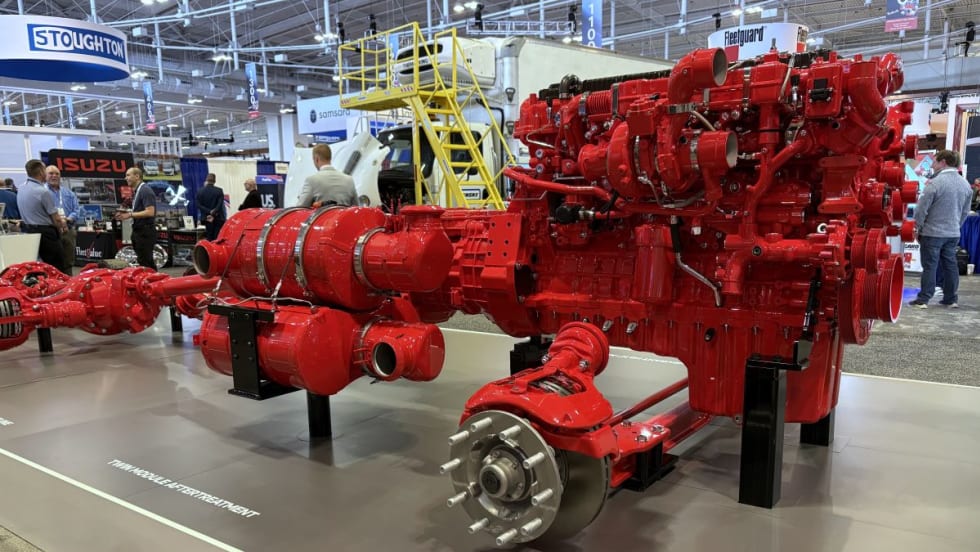
Cummins Adjusts 2027 Engine Rollout After EPA Proposal
The engine maker will gradually introduce its new Model Year 2027 diesel engines while continuing to offer current models during the transition, citing the EPA's proposed emissions rule changes.
Read More →
EPA Proposal Could Ease 2027 Truck Costs and Buying Uncertainty
The proposal doesn't change the tougher NOx standard, but it would revise key implementation requirements that manufacturers say have driven up costs and complicated fleet purchasing decisions.
Read More →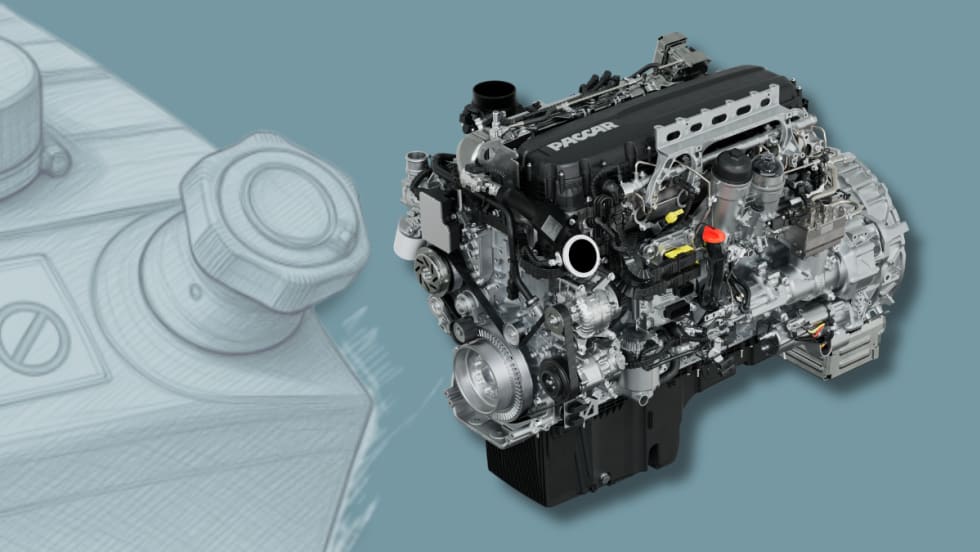
Cummins, Paccar Ease DEF Derates After EPA Guidance
Updated diesel engine software gives truck operators more time to address emissions-system issues while staying compliant with EPA emissions standards.
Read More →
Maintenance in the Messy Middle Part 3: Biodiesel
Biodiesel can reduce emissions, improve fuel-system lubricity and use existing diesel infrastructure. But NACFE’s Messy Middle maintenance report says fleets must actively manage storage, cold-weather operation, filters and oil drain intervals to avoid problems.
Read More →
Enhance Fleet Performance with High-Efficiency Auxiliary Power Units
Drive sustainable cost savings while increasing driver comfort during short- and long-haul logistics operations.
Read More →
Maintenance in the ‘Messy Middle’ Part 2: Renewable Diesel Fuel
NACFE's latest Messy Middle Powertrain Service & Maintenance report says renewable diesel gives fleets an opportunity to reduce carbon emissions without changing trucks, fueling infrastructure or maintenance practices. But technicians still need to understand several important operational differences.
Read More →
The Diesel Engine Enters NACFE’s ‘Messy Middle’
NACFE’s new Messy Middle Powertrain Service & Maintenance report says keeping modern diesel engines running now depends as much on software, diagnostics and data as traditional mechanical service.
Read More →
DTNA Software Update Gives Truckers More Time Before DEF Derates Take Effect
The changes reflect EPA guidance aimed at reducing downtime caused by emissions-system faults while maintaining compliance requirements.
Read More →
New Agentic Predictive Maintenance Report Demonstrates How Degraded Aftertreatment Systems Waste Fuel
Questar analyzed a large mixed-class fleet and discovered it was wasting as much as $30 in fuel per vehicle, per day, because of mechanically degraded aftertreatment systems.
Read More →
New York City's Microhub Project is Delivering Results
Trucking, last-mile delivery companies, and environmental advocates like what they are seeing so far with New York's microhub program.
Read More →