





Keep Reading: Truck Tires Take on Tech
Medium-Duty Tires Go Fuel-Efficient
The factors driving tire design for medium-duty trucks has changed. Today, tire makers must balance fuel efficiency and bulletproof durability to stand up to a harsh P&D environment.
August 12, 2014
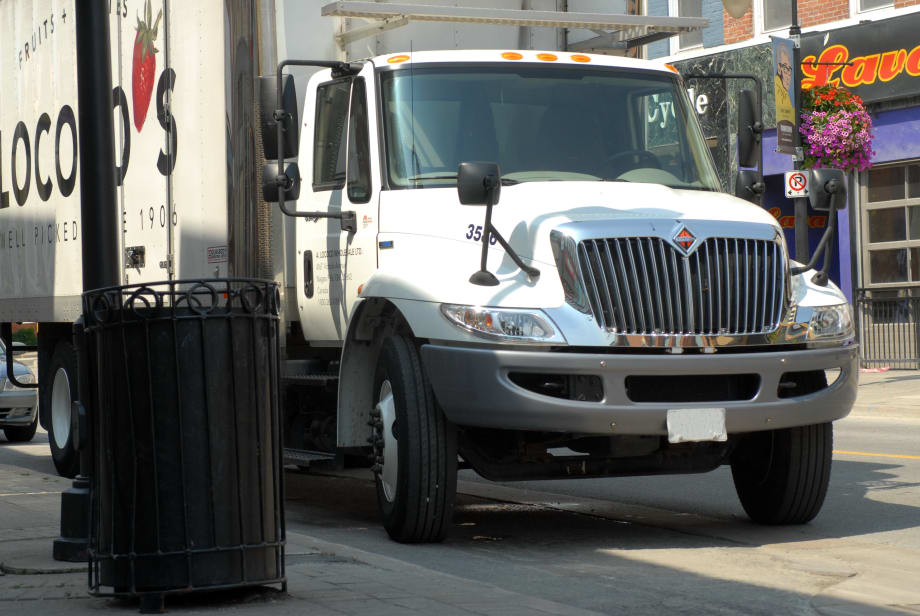
Downtown streets still pose a threat to delivery fleets' tires. Nobody will give up protection for fuel economy; the tire people say they won't have to.
3 min to read
The medium-duty world is dominated by the rental and leasing sectors and the pickup and delivery sector, at least in terms of the Class 5-7 trucks using 17.5- and 19.5-in tires.
What they wanted dictated what the tire makers delivered. And until recently, that crowd wanted a bulletproof tire would last forever, could be retreaded several times, and would handle the rigors of life on the mean city streets.
Over the years, tire makers delivered the tires industry wanted -- and was prepared to pay for. It's a very price-sensitive market, and that has historically limited innovation. And historically, fuel economy wasn't even on the radar screen.
Those days are behind us now, and the labs and engineers at most every major tire maker in the world are hard at work developing more fuel-efficient tread designs and compounds, because a tremendous market has just opened up for that kind of tire with the new federal fuel-economy regulations.
The biggest push in this new direction is coming from the original equipment manufacturers, who have few options at their disposal to meet the new GHG reduction mandates.
The heavy-duty guys have about six model inputs to play with to meet the limits on greenhouse gas emissions related to the overall vehicle, including aerodynamics, the ability to limit vehicle speeds, engine modifications, etc., and including using low-rolling-resistance tires.
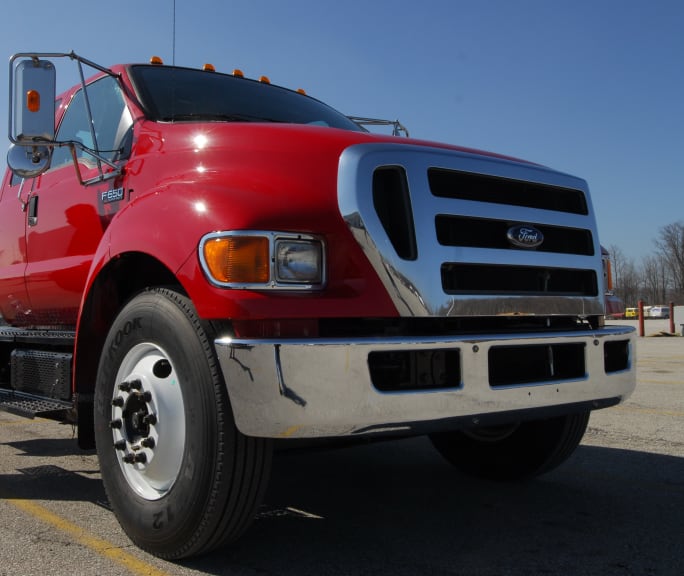
Price sensitivity has kept fuel-efficient tires out of the medium-duty market place for years. Now it's all the rage, and everybody is getting into the act.
In the medium-duty market, however, and especially the vocational segment, the variables in the EPA's Greenhouse Gas Emissions Model (GEM) model suddenly drop to essentially two: steer and drive tire rolling resistance improvements and the downsizing the engines. All the aero improvers seen for on-highway Class 8 trucks have limited application for most medium-duty trucks.
And no longer do medium-duty customers want just the cheapest and the longest-wearing tire they can get. When UPS announced that they wanted their entire fleet to be as efficient as possible, that sent a very strong signal to the tire industry.
Today's product development programs focus on producing a tire for an urban setting with lower rolling resistance, but with the same damage-mitigating performance attributes as before.
The urban nature of the segment does bring a few challenges. It's a more abusive environment with concerns about curbing, scrubbing, etc.
If tire makers use low rolling resistance compounds, they can't afford to give up the tread qualities that let the tire stand up to the harsher environment.
Manufacturers have improved manufacturing processes, and made big gains in materials. Today, some steer and drive tires could have as many as two to four different compounds in the tread area to minimize trade-offs. It's becoming the case for medium-duty tires as well.
So you see how OE demand is driving tire design for 17.5- and 19.5-inch tires in Class 5-7. Even with four of the largest fleets in the land (with more than 100,000 trucks between them) calling for a design change in the standard tire, what will the guy who owns a bakery and a couple of trucks to get his product to market think about the change?
Some users might wind up buying an extra set of tires over the life of the vehicle, perhaps two, which would consume in cash whatever savings accrued from improved fuel consumption. You have to look at each unique case and do a value calculation that takes into account miles to removal, retreading, and all the rest versus what you can measure in fuel savings.
Subscribe to Our Newsletter
More Fuel Smarts

How GP Transco Builds Fuel Savings a Fraction at a Time
Aerodynamic specs, solar panels, and driver incentives help GP Transco turn small efficiency gains into savings it can reinvest in its people.
Read More →
Trucking’s Diesel Squeeze Isn’t Letting Up
With diesel topping $6 a gallon nationally, ATA's Bob Costello explains why fleets should prepare for continued pressure at the pump.
Read More →
FlowBelow Redesigns Trailer AeroSlider to Cut Fuel Use
The lighter trailer aerodynamic system installs in less than 45 minutes, according to the company, with potential payback in under a year depending on fuel prices and trailer mileage.
Read More →
Why Diesel Price Relief Efforts May Fall Short
Diesel prices have eased from September’s record high, but doubts about additional Russian supply and limits on dyed-diesel tax relief mean trucking fleets still face expensive fuel. And prices could go higher.
Read More →
Why Small Fuel Savings Matter in Trucking
Can better fuel economy help pay for driver raises? In this podcast, GP Transco explains how small efficiency gains create room to reinvest in its people.
Read More →
How GP Transco Cuts Trucking Fuel Costs, a Tenth of a Gallon at a Time
What’s another tenth of a mile per gallon worth? GP Transco shares how equipment upgrades and driver coaching turn small gains into meaningful fuel savings.
Read More →
Electric Yard Tractors Move Beyond Pilots
Operating-cost savings have overtaken sustainability goals as the leading reason surveyed fleets are adopting battery-electric terminal tractors, according to new NACFE research.
Read More →
Geotab Links Fleet Card to Vehicle Data
The new card combines fuel discounts with telematics-based purchase controls. Geotab’s analysis also points to potential savings from choosing lower-priced fuel stops.
Read More →
Fleet Economics Shape Electric Truck Outlook
ACT Research expects costs, charging infrastructure, and technology improvements to drive zero-emission commercial vehicle adoption as federal regulations and incentives retreat.
Read More →
Wex Adds Cardless Fuel Payments for Over-the-Road Customers
A new fuel card feature for Wex customers offers convenience and security.
Read More →