




7 Alternative Fueling Infrastructure Pitfalls and How Propane Can Help
Despite the per-gallon savings a fleet might enjoy with alternative fuel, the full cost of alternative fuels goes well beyond that. The Propane Education and Research Council says propane autogas offers advantages over natural gas when it comes to the fueling infrastructure.
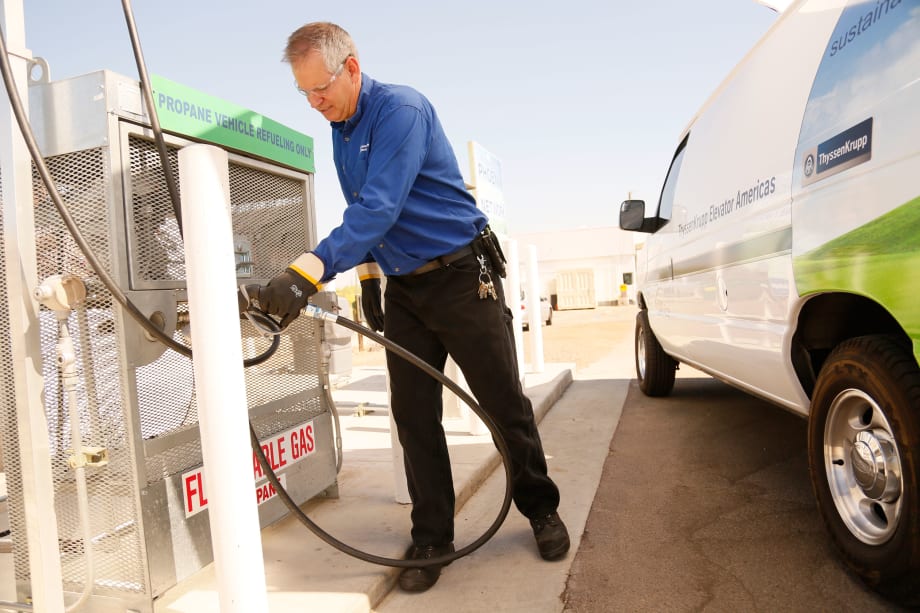
A common mistake fleet managers make in adopting alternative fuels is failing to plan for the total infrastructure ownership costs.
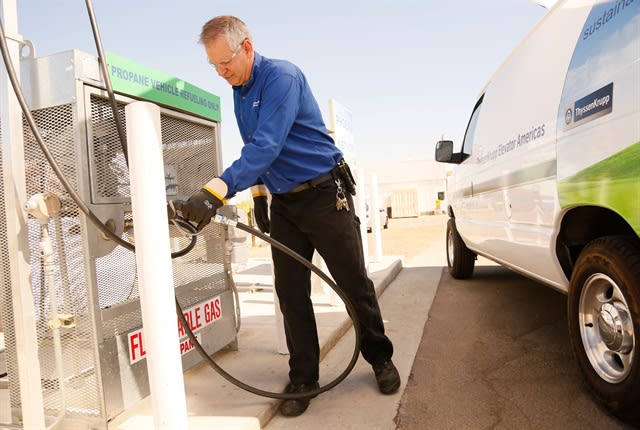
A common mistake fleet managers make in adopting alternative fuels is failing to plan for the total infrastructure ownership costs.
It’s no secret that about the only thing you can count on in the fleet management business is that hard costs will continue to rise, and the price of conventional fuels has not been exempt. It’s one of the many reasons fleets across the country are transitioning to alternative fuels to reduce operating costs and capital expenses while stretching their budget dollars.
However, despite the per-gallon savings a fleet might enjoy with alternative fuel, a lot of fleet professionals know the real cost of alternative fuels goes well beyond that.
In order to plan and implement a successful alternative fuel program, fleet managers must evaluate their fuel options based on total cost of ownership. A mistake fleet managers make time and time again is failing to plan for the total infrastructure ownership costs — including installation time. Without proper planning and preparation, the following infrastructure pitfalls can make or break your program’s success.
Pitfall #1: Shy Away from Tough Questions
No matter the fuel, most salespeople will tell you the upfront infrastructure investment “pays for itself.” But payback can be defined broadly. It is critical that going in, you define the payback period that is acceptable for your company. Next, ask the tough questions about the true initial cost of the infrastructure and factor into your ROI calculations.
When you perform a true apples-to-apples comparison, propane autogas beats the competition on a regular basis. In fact, for the price of installing just one CNG station, you can install an average of 15 or more propane autogas refueling stations for the same investment.
Pitfall #2: Fail to Sweat the Small Stuff
True cost doesn’t end with the installation. One of the key "small things" that is often overlooked is refueling station electricity costs.
A propane autogas refueling station typically has similar electricity requirements as gasoline or diesel.
However, the high capacity electricity needs of a CNG compressor result in high “demand charges” on top of the initial cost of energy. The faster you need to refuel, the larger the compressors, driving demand charges even higher. Small-to-medium-sized fleets pay a premium for CNG station electricity, and if your company requires a lot of electricity, your demand charge will drive your costs even higher.
Pitfall #3: Forget to Think Past Today’s Needs
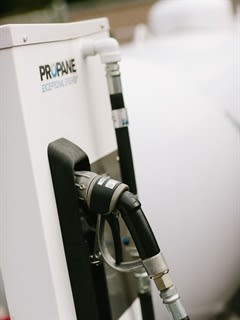
A propane autogas refueling station typically has similar electricity requirements as gasoline or diesel.
Planning for growth is also an important consideration when selecting your fuel provider. Not only do you need to plan for immediate needs today, but it’s important to consider how adaptable infrastructure is if you need to add more fueling stations or relocate existing stations in the future.
It is critical to determine if your fuel provider can handle everyday deliveries and grow with your company. A benefit of propane autogas is the infrastructure uses the same pump and motor to handle one 1,000-gallon tank or six without changing the electrical or site requirements.
Fleets should also ensure their fuel of choice is portable and readily accessible, scalable regardless of the number of vehicles and fueling stations required, and affordable when all total costs of ownership are factored in over the life of the assets.
Pitfall #4: Assume a Government Grant Solves All Your Problems
Grants and incentives are often major factors in a fleets’ initial alternative fuel purchasing decisions. However, grants and incentives will not cover all of a fleets’ expenses like electricity costs for infrastructure and maintenance, and modifications to existing repair facilities.
Also, grants and incentives aren’t guaranteed to be available to cover the cost of expansion when things go well for your company or if a catastrophe occurs. Should your company be forced to replace the infrastructure completely, the fact that the $1 million station was purchased with government funds the first time around won’t cover costs to replace the infrastructure and will become an out-of-pocket expense.
Pitfall #5: Let Price Trump Technology
While cost matters, fleets still need to choose a refueling solution that will meet their technical needs. This often depends on your refueling window. Propane autogas provides a similar refueling experience to that of gasoline and diesel for a low, affordable price.
With CNG, fleets must choose between a “fast-fill” station and a less expensive “time-fill” station. A “fast-fill” station delivers performance similar to propane autogas as well as conventional fuels. Refueling time for a “time-fill” station, also known as “slow-fill,” depends on the volume of fuel demand for your total fleet, which means the first vehicle may refuel quickly while the remaining vehicles may require significantly more time. In some cases, not all vehicles are refueled completely with a slow-fill pump, which leads to downtime, possible routing changes, and lost efficiency and productivity for your fleet.
It’s also critical to verify that the infrastructure you choose will be compatible with your data management system. Today’s propane autogas technology works with most modern systems, and options range from a simple card reader to full-service tracking of driver and vehicle refueling habits.
Pitfall #6: Fail to Plan for Road Bumps
Installing infrastructure is not always as simple as plug-and-play. Different types will require different levels of interaction with local government agencies. Some infrastructure will require specific types of property to work, meaning you may have to look for new real estate which will likely escalate the costs of the project. Without proper planning, this can slow a project down or stop it completely.
Propane autogas stations can be installed with minimal site preparation, improvements, or permits. The Environmental Protection Agency classifies propane autogas as a non-contaminant of air, land, and water resources. As a result, propane autogas infrastructure can be installed in areas where CNG cannot, and has fewer compliance requirements than conventional fuels. An on-site propane autogas dispenser is compact and easy to install, and only requires a large propane tank and no-spill low emission dispenser.
Pitfall #7: Overlook Costs past the Pump
In addition to thinking about refueling infrastructure, fleets must consider the garaging, maintenance, and repair needs for their vehicles. Some alternative fuels require extensive modifications to existing garages or may require construction of a new facility if you maintain your own vehicles. For example, a CNG maintenance facility requires additional gas detection devices and ventilation equipment sufficient to comply with applicable codes and regulations. Propane autogas vehicles, on the other hand, require no changes to existing garages.
Unlike other alternative fuels, propane autogas vehicles do not require segregation of major and minor repairs if all areas of the garage are fully code compliant. Segregation of repairs adds costly upfront expenses for large shops and most likely leads to increases in the cost of electricity, air handling, cooling, and heating over time. Propane-autogas-fueled vehicles can be serviced in the same garage with the same diagnostic tools as gasoline-fueled vehicles.
Ultimately, no matter what alternative fuel you choose you can plan on hitting a few road bumps along the way. Nevertheless, analyzing the complete lifecycle picture will keep your program on the right track. Fleet managers must look beyond the cost of fuel and infrastructure costs to evaluate the total package. If you do that, and ask the right questions along the way, you can lead your organization and the industry toward sustainable alternative fuel solutions that work for your fleet.
Michael Taylor is director of Propane Autogas with the Propane Education & Research Council (PERC)
More Fuel Smarts

California Bill Could Shed Light on Electric Truck Prices
Why do battery-electric Class 8 trucks remain so expensive? A California bill headed to Gov. Gavin Newsom would give fleets and state agencies more visibility into what manufacturers charge.
Read More →
Detroit Opens Orders for EPA 2027 Engines
Detroit isn’t starting from scratch to meet EPA 2027 diesel emissions standards. Its Gen 6 DD13 and DD15 engines keep much of today’s platform while updating the fuel and aftertreatment systems.
Read More →
Zero-Emission Truck Corridor Planned for West Coast
California, Oregon, Washington, British Columbia and Baja California are coordinating plans for truck charging and hydrogen fueling from Canada to Mexico.
Read More →
A Closer Look at Kenworth’s Electric T880E Vocational Truck [Video]
Learn more about Kenworth's T880E battery-electric vocational truck at the Paccar Technical Center, including its range, applications, upfitting considerations, and PTO options, in this HDT Spotlight video.
Read More →
Kenworth T880E Brings EV Power to Vocational Trucks
A closer look at the Kenworth T880E’s range, charging, powertrain and upfit options — and where fleets are showing the most interest.
Read More →
Jennie Abarca Is Proving Electric Trucks Can Do the Job
HDT Truck Fleet Innovator Jennie Abarca is building confidence in fleet electrification one load at a time while openly sharing the challenges she encounters along the way as a small-fleet owner.
Read More →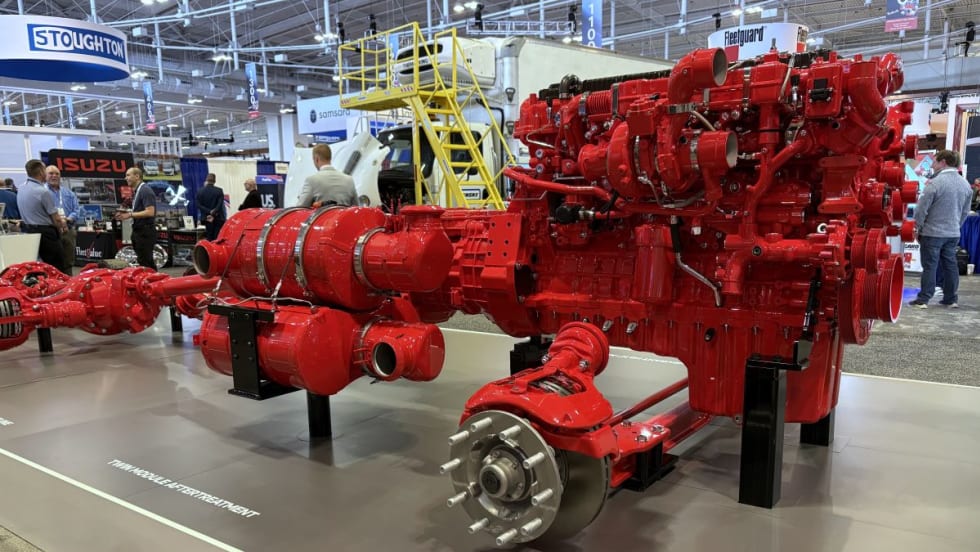
Cummins Adjusts 2027 Engine Rollout After EPA Proposal
The engine maker will gradually introduce its new Model Year 2027 diesel engines while continuing to offer current models during the transition, citing the EPA's proposed emissions rule changes.
Read More →
EPA Proposal Could Ease 2027 Truck Costs and Buying Uncertainty
The proposal doesn't change the tougher NOx standard, but it would revise key implementation requirements that manufacturers say have driven up costs and complicated fleet purchasing decisions.
Read More →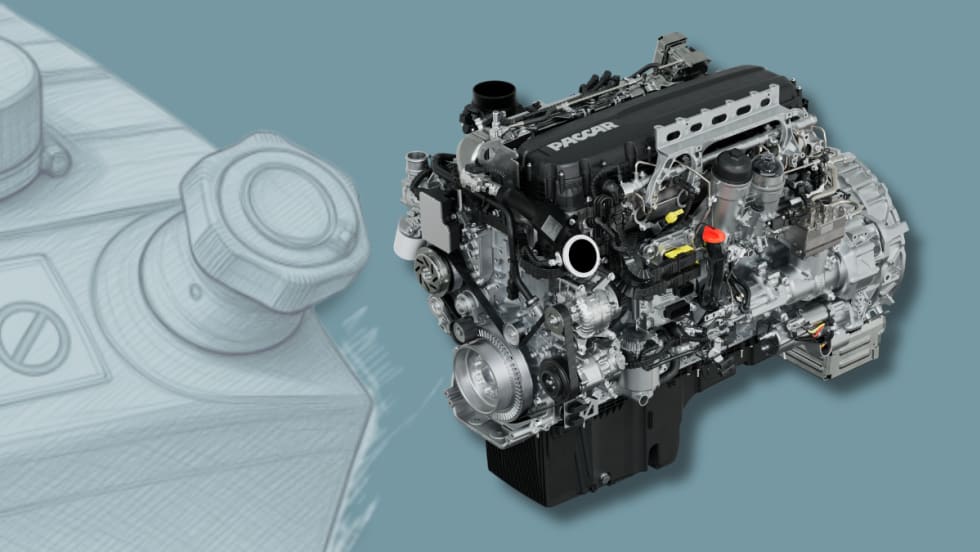
Cummins, Paccar Ease DEF Derates After EPA Guidance
Updated diesel engine software gives truck operators more time to address emissions-system issues while staying compliant with EPA emissions standards.
Read More →
Maintenance in the Messy Middle Part 3: Biodiesel
Biodiesel can reduce emissions, improve fuel-system lubricity and use existing diesel infrastructure. But NACFE’s Messy Middle maintenance report says fleets must actively manage storage, cold-weather operation, filters and oil drain intervals to avoid problems.
Read More →