




Seattle Mayor Challenges City Fleets to Cut Use of Petroleum-Based Fuels
Seattle Mayor Mike McGinn has directed city departments to build on earlier "green fleet" efforts to cut the city's annual use of petroleum-based fuels by 1 million gallons by 2020, using electric and alternative fueled vehicles, biodiesel and more efficient use of vehicles.
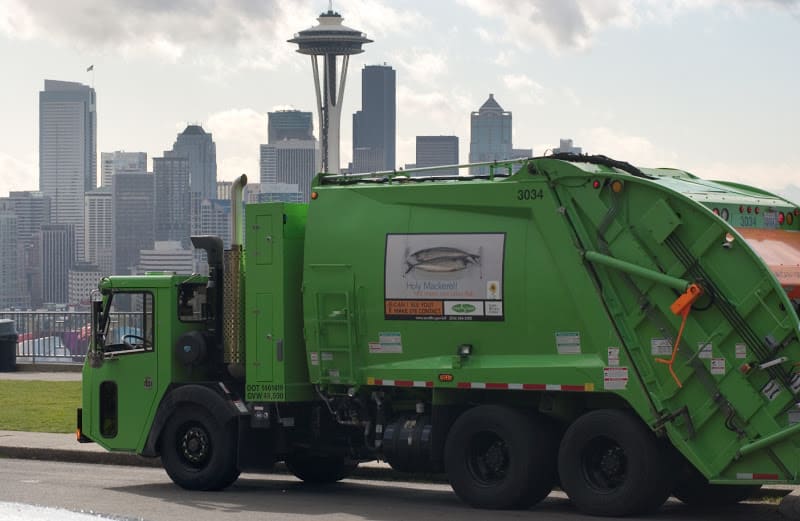
CNG truck operated by CleanScapes in Seattle.

Seattle Mayor Mike McGinn has directed city departments to build on earlier "green fleet" efforts to meet the challenge of cutting the city's annual use of petroleum-based fuels by 1 million gallons by 2020.
This will take improving operational efficiencies, making investments in alternative-fuel infrastructure, and ramping up purchases of alternative vehicles.
"Reducing consumption of petroleum-based fuels is good for the climate and good for the economy," said McGinn. "By ramping up demand on the government side we can help support businesses that are interested in innovating sustainable alternatives to petroleum-based fuels. I encourage my colleagues across the region and country to take similar actions."
Using the city's 2012 fuel usage as a baseline, a reduction of 1 million gallons of petroleum-based fuel would equate to a 42% reduction in overall petroleum-based fuel usage by the city's fleet.
To meet the "million gallon challenge," McGinn has instructed the Department of Finance and Administrative Services to update the City's 2007 Clean and Green Fleet Action Plan. The plan will focus on four key areas to reduce Seattle's use of petroleum-based fuels by 2020:
1. Using advanced vehicle technology, such as automatic vehicle locators, to create operational efficiencies:
2. Purchasing alternative-fueled vehicles:
All-Electric passenger vehicles, parking enforcement scooters, and light-duty trucks
Electric-Hybrid vehicles, heavy-duty trucks and large work vans
Other alternative-fueled vehicles that run on biofuels.
3. Working with regional partners to develop electric vehicle infrastructure to support city fleet needs and enable Seattle residents to purchase all-electric vehicles:
Install additional charging stations in strategic locations throughout Seattle and travel points throughout Washington
4. Using a biodiesel blend made with waste vegetable oilat the city's three main fueling sites.
FAS will update the Clean and Green Fleet Action plan in 2013, so that this effort can start in earnest in 2014. McGinn will propose an adjustment to the 2014 endorsed budget to cover the costs associated with achieving this goal in 2020.
This includes funding to:
purchase approximately 36 all-electric vehicles to replace traditional fuel vehicles due for replacement in 2014;
install and maintain 200 Advanced Vehicle Locator systems for supporting more efficient use of vehicles;
instal additional charging stations throughout the city
preparation of existing tanks for biodiesel use
fund a new Green Fleet Coordinator, who will be responsible for implementing the Green Fleet Action Plan and cultivating regional partnerships to achieve green fleet goals.
Actual funding amounts will be worked out during the 2014 budget process.
Seattle has been a leader in green fleet development for more than 20 years - starting in 1991 when Seattle built a regional compressed natural gas fueling station on city-owned property. Having CNG fueling infrastructure ultimately led to the purchase of CNG fleet vehicles, spurring others to convert to CNG-fueled vehicles and laying the groundwork for requiring Seattle's waste hauler contractors to use CNG garbage trucks. Seattle was also an early adopter of hybrid technology and grew its fleet of Toyota Prius to be one of the largest in the U.S. Since 2011, the city's 43 all-electric Nissan Leafs have traveled more than 240,000 miles.
More Fuel Smarts
Lessons Learned About Alternative Fuels: Start Small, Stay Flexible
Practical advice on adopting alternative fuels and ZEVs from HDT's 2026 Top Green Fleets, from renewable diesel and natural gas to electric trucks.
Read More →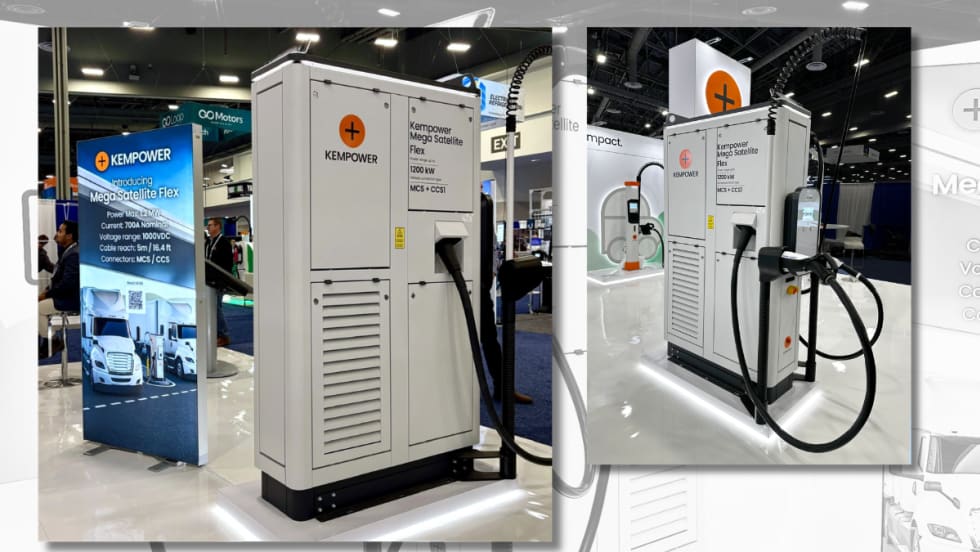
Kempower Adds Flex EV Charger to Help Support Transition to Megawatt Charging
The Kempower Mega Satellite Flex has both a CCS and MCS connector, allowing operators to serve both types of heavy-duty vehicles.
Read More →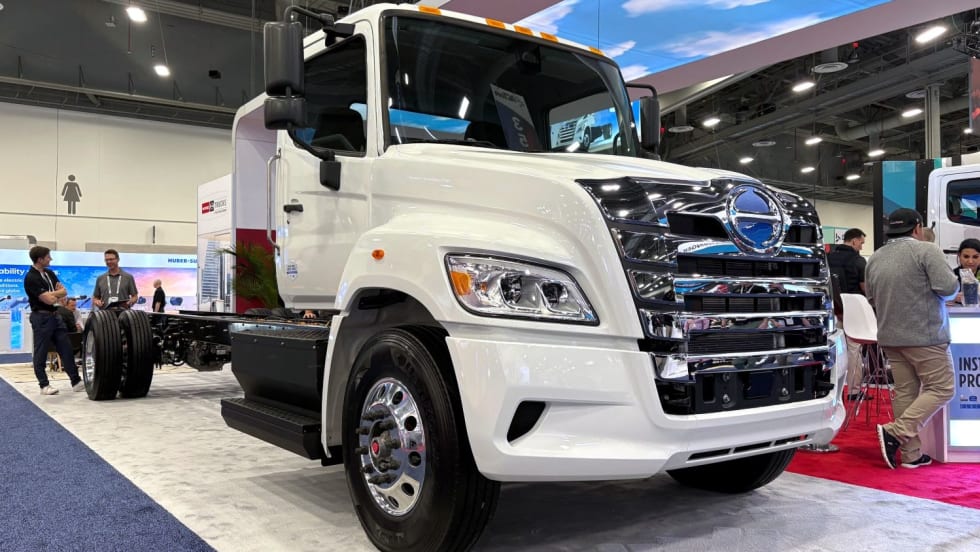
Hino Adds Electric Class 6/7 Truck
Hino says the Le Series is an important step in the company's efforts to reduce environmental impact and support its customers’ sustainability goals.
Read More →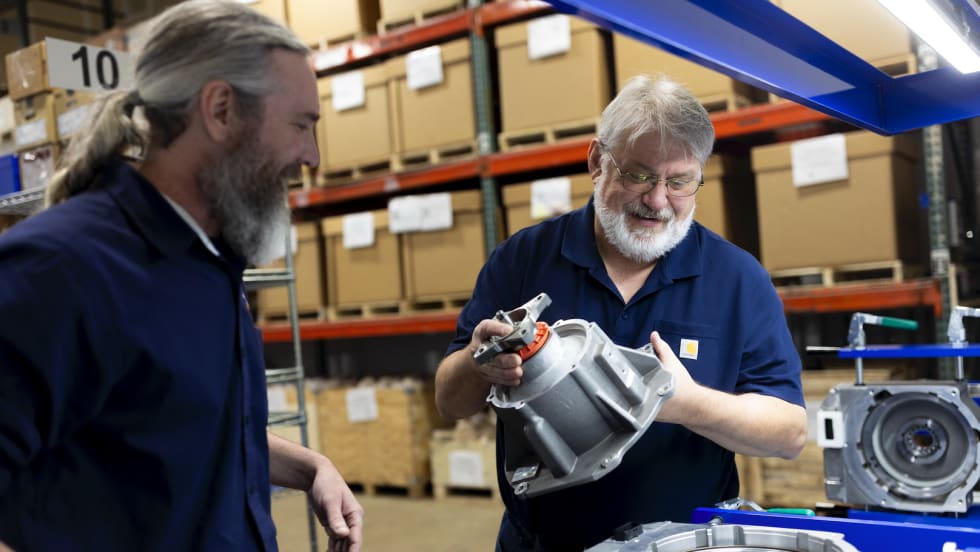
Can Multi-Speed EV Transmissions Solve Heavy Trucking’s Biggest Electric-Vehicle Problems?
A startup called Sigma Powertrain believes purpose-built multi-speed gearboxes can boost efficiency, reduce battery size and improve gradeability for heavy-duty battery-electric trucks.
Read More →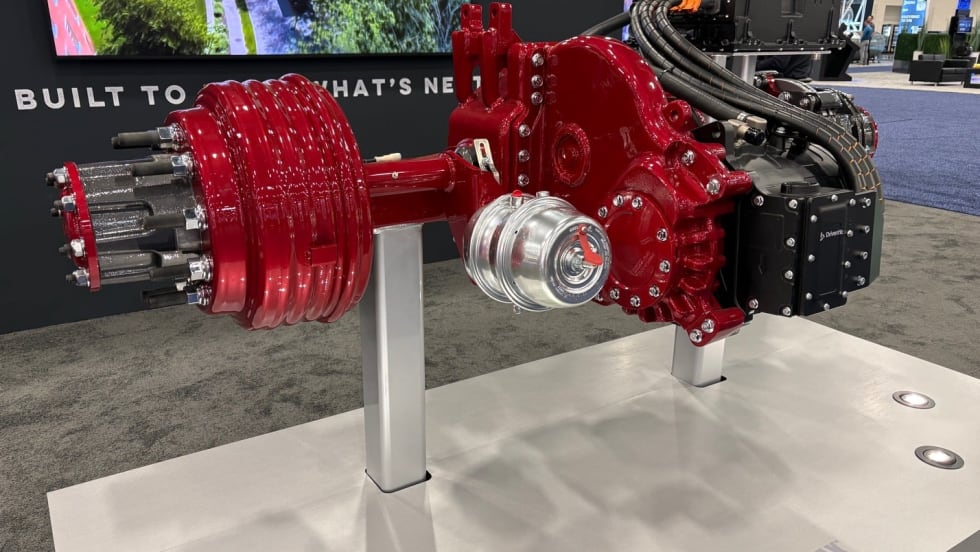
Hendrickson Debuts Electraax E-Axle for Medium-Duty Trucks
Developed with Driventic, Hendrickson's new integrated e-axle is designed to improve efficiency, reduce weight, and extend range in Class 6-7 EV applications.
Read More →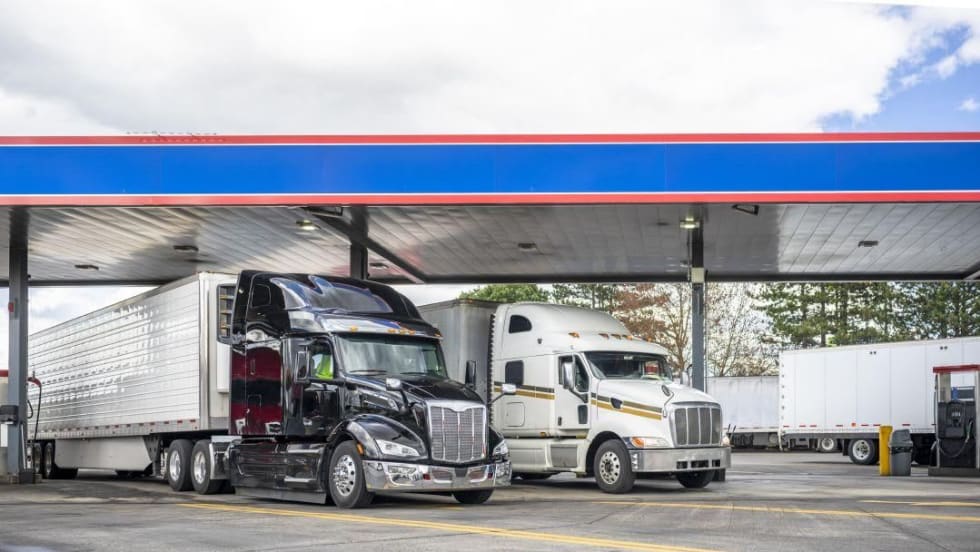
50 Ways Fleets Can Cut Fuel Costs Now — Without Buying New Trucks
Fuel savings don’t come from one big change. They come from dozens of small ones. Here’s how leading fleets are stacking gains across drivers, routing, maintenance, and more.
Read More →
Top Green Fleets 2026: How Fleets Are Reducing Emissions in the Real World
What works in sustainable trucking today? Heavy Duty Trucking's Top Green Fleets are finding practical ways to cut fuel use, reduce emissions, and keep freight moving.
Read More →
California Launching $1 Billion Electric Truck Rebate Program
CARB says the California Clean Fuel Reward program will begin offering point-of-sale rebates of up to $120,000 for electric commercial trucks starting June 26.
Read More →
Mack Unveils EPA 2027-Compliant MP13 Engine With More Power, Better Fuel Economy
Along with unveiling its EPA 2027-compliant MP13 engine, Mack outlined powertrain changes across its Class 6-8 lineup, including new Cummins-based X10 engines.
Read More →
How Volvo’s New D13 Engine Meets EPA 2027 Emissions Without Sacrificing Power or Fuel Efficiency
Volvo says advances in combustion and aftertreatment helped its new EPA 2027 D13 engine avoid the fuel-economy penalties many once expected from tighter NOx emissions limits.
Read More →