




Advancements in Clean Fuel Technology to Further Reduce Carbon Emissions
Advancements in clean diesel technology will continue to deliver major reductions in black carbon emissions in both the U.S. and worldwide, said Allen Schaeffer, the executive director of the Diesel Technology Forum
Advancements in clean diesel technology will continue to deliver major reductions in black carbon emissions in both the U.S. and worldwide, said Allen Schaeffer, the executive director of the Diesel Technology Forum.
Schaeffer highlighted the advancements in diesel technology and fuel in response to the new study published in The Journal of Geophysical Research-Atmospheres that stated black carbon emissions are the second most important contributor to global warming, behind carbon dioxide. The study evaluated climate forcing of black carbon during the industrial era (i.e. 1750 to 2000).
"While there continues to be ongoing debate about the role of black carbon on the earth's climate, the diesel industry continues to move forward and produce more fuel-efficient diesel engines that have both lower emissions of carbon dioxide and near-zero levels of emissions of particulate (soot)," Schaeffer said.
Diesel Truck and Buses Have Reduced NOx Emissions by 99% And Particulate Emissions by 98%
A complete transformation of diesel technology in the U.S. has taken place in the last decade that has virtually eliminated particulate emissions from new diesel engines across the board. For example, emissions from heavy-duty diesel trucks and buses have been reduced by 99% for nitrogen oxides - an ozone precursor - and 98% for particulate emissions, which include black carbon.
Today, clean diesel technology with near zero emissions is standard equipment in nearly all off?road diesel vehicles and equipment such as construction equipment, agricultural vehicles, stationary generators, locomotives and marine vehicles.
Because of the investments in new technology it now takes 60 of today's technology trucks to emit the same level of PM emissions as a single truck built in 1988, according to Shaeffer.
Diesel Responsible For Less Than 6% of Particulate Emissions in U.S.
"Numerous studies and reports from the U.S. Environmental Protection Agency, researchers and health organizations are highlighting the benefits and importance of clean diesel technology in reducing black carbon emissions in the U.S.," Schaeffer said. "Thanks to the switch to ultra-low sulfur diesel fuel coupled with advances in diesel engine design and emissions control technology, fine particulate emissions have been virtually eliminated from new diesel vehicles and equipment in the U.S.
"Today diesel engines are responsible for less than six percent of all particulate emissions in the U.S.," Schaeffer said.
Black Carbon to Decline by 86% by 2030
Schaeffer said that according to the EPA's 2012 Report on Black Carbon to Congress, the U.S. currently accounts for about 8% of the global black carbon emissions, with 52% of that coming from mobile sources, and 93% of the mobile sources attributed to diesel engines.
On top of the 32% reduction from 1990-2005, EPA projects this percentage will decline by 86% by 2030 largely due to controls on new mobile diesel engines.
"Much of the progress in clean diesel technology in the U.S. can be attributed to the systems based approach that recognized the essential aspect of cleaner, ultra-low sulfur diesel fuel as being the foundation for making large scale changes in engine design and enabled the use of emissions control technology that today result in near zero emissions of particulate matter," Schaeffer said.
"Today, lower-sulfur diesel fuels are not widely available or utilized in all parts of the world. The World Fuels Charter, established by engine and vehicle manufacturers in the U.S., Japan and Europe, lays out such a blueprint for aligning fuel composition and implementation policies with environmental and other societal objectives.
"Whether or not this new study results in more scientific consensus on the role of black carbon emissions on the earth's climate remains to be seen. We do know that the most dramatic changes in history to fuels and emissions levels from diesel engines have occurred after the study period o 1750 to 2000. We look forward to understanding how these changes to both the levels of emissions and their composition inform current scientific understanding and future policy choices," Schaeffer said.
California Air Quality Improvements Aided By Diesel Advancements
The California Air Resources Board has identified the top 10 contributors to PM. Diesel engines and equipment rank as the 8th and 9th highest contributors, Schaeffer said, behind: 1) wildfires, 2) residential fuel combustion, 3) managed burning & disposal, 4) paved road dust, 5) unpaved road dust, 6) fugitive windblown dust, and 7) farming operations.
According to the CARB, diesel particulate emissions from on-road heavy-duty trucks have declined from 7.5% in 1990 to 3.8% in 2008, with future projections in 2020 for the category to account for only 1.6% of all emissions.
More Fuel Smarts
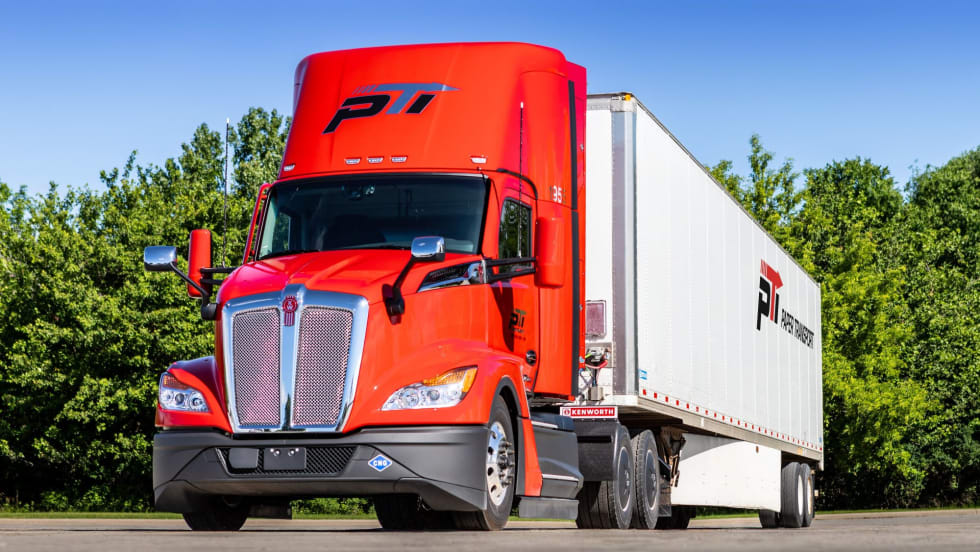
Lessons Learned About Alternative Fuels: Start Small, Stay Flexible
Practical advice on adopting alternative fuels and ZEVs from HDT's 2026 Top Green Fleets, from renewable diesel and natural gas to electric trucks.
Read More →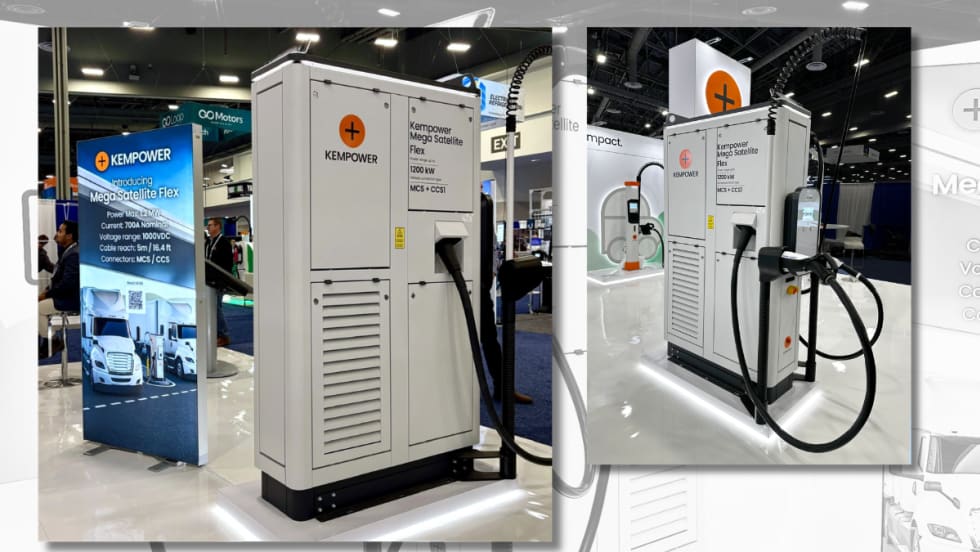
Kempower Adds Flex EV Charger to Help Support Transition to Megawatt Charging
The Kempower Mega Satellite Flex has both a CCS and MCS connector, allowing operators to serve both types of heavy-duty vehicles.
Read More →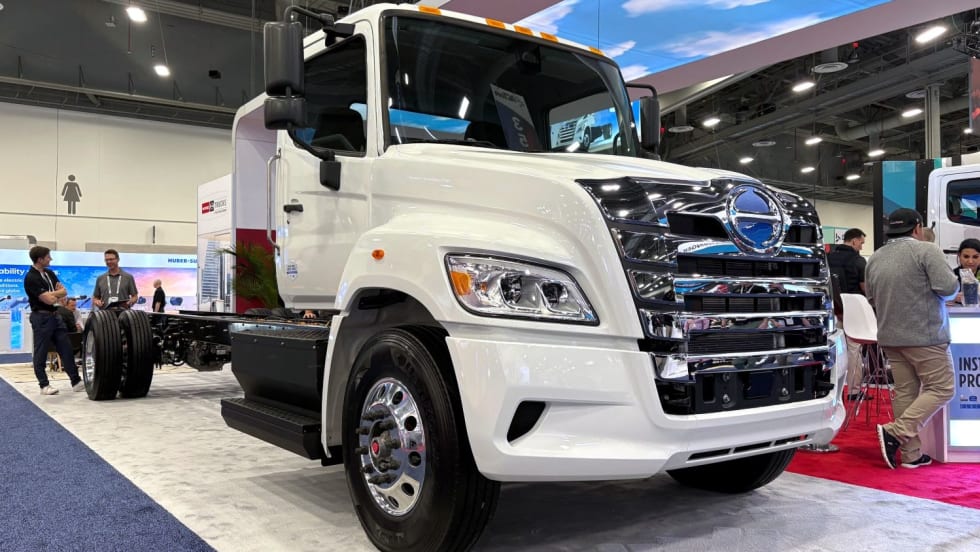
Hino Adds Electric Class 6/7 Truck
Hino says the Le Series is an important step in the company's efforts to reduce environmental impact and support its customers’ sustainability goals.
Read More →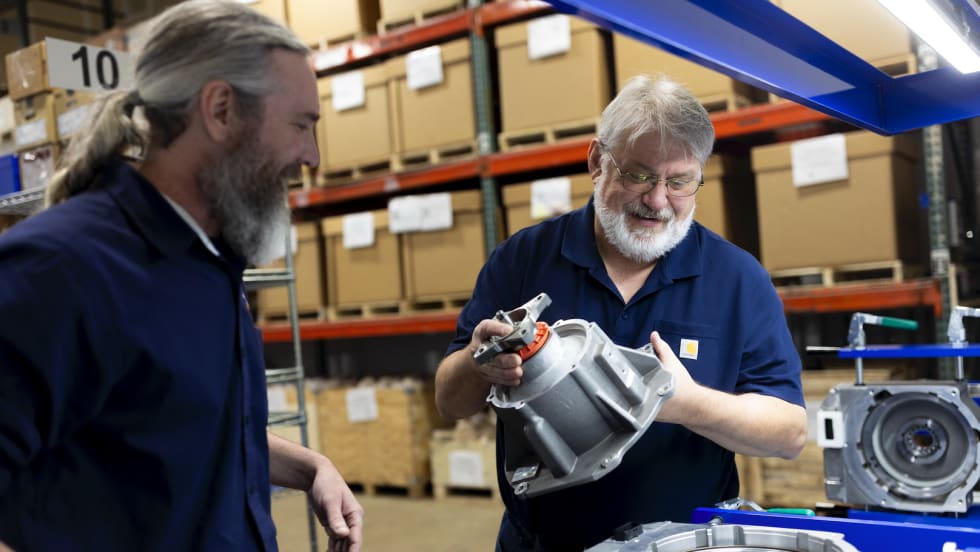
Can Multi-Speed EV Transmissions Solve Heavy Trucking’s Biggest Electric-Vehicle Problems?
A startup called Sigma Powertrain believes purpose-built multi-speed gearboxes can boost efficiency, reduce battery size and improve gradeability for heavy-duty battery-electric trucks.
Read More →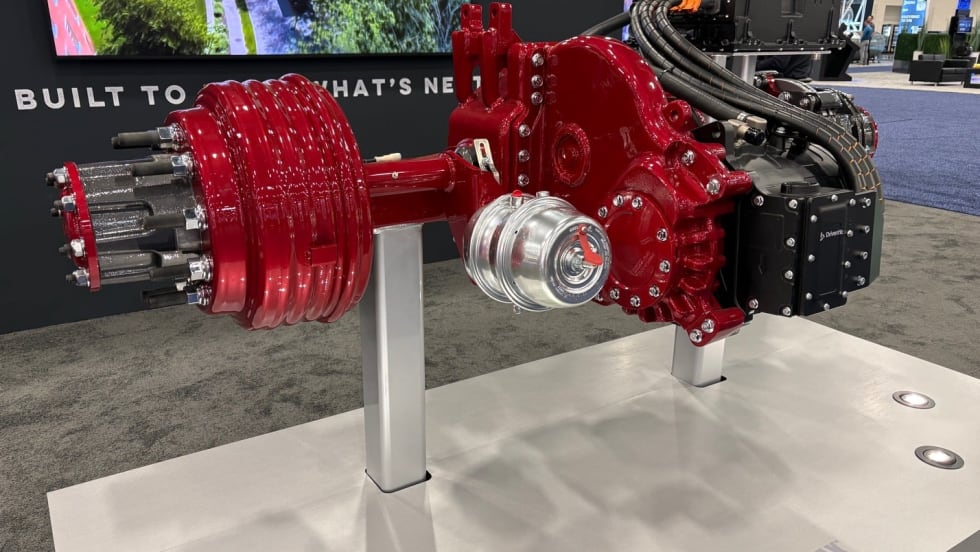
Hendrickson Debuts Electraax E-Axle for Medium-Duty Trucks
Developed with Driventic, Hendrickson's new integrated e-axle is designed to improve efficiency, reduce weight, and extend range in Class 6-7 EV applications.
Read More →
50 Ways Fleets Can Cut Fuel Costs Now — Without Buying New Trucks
Fuel savings don’t come from one big change. They come from dozens of small ones. Here’s how leading fleets are stacking gains across drivers, routing, maintenance, and more.
Read More →
Top Green Fleets 2026: How Fleets Are Reducing Emissions in the Real World
What works in sustainable trucking today? Heavy Duty Trucking's Top Green Fleets are finding practical ways to cut fuel use, reduce emissions, and keep freight moving.
Read More →
California Launching $1 Billion Electric Truck Rebate Program
CARB says the California Clean Fuel Reward program will begin offering point-of-sale rebates of up to $120,000 for electric commercial trucks starting June 26.
Read More →
Mack Unveils EPA 2027-Compliant MP13 Engine With More Power, Better Fuel Economy
Along with unveiling its EPA 2027-compliant MP13 engine, Mack outlined powertrain changes across its Class 6-8 lineup, including new Cummins-based X10 engines.
Read More →
How Volvo’s New D13 Engine Meets EPA 2027 Emissions Without Sacrificing Power or Fuel Efficiency
Volvo says advances in combustion and aftertreatment helped its new EPA 2027 D13 engine avoid the fuel-economy penalties many once expected from tighter NOx emissions limits.
Read More →