




No crystal ball for natural gas
Natural gas prices neared the lowest they've been in about a decade last winter, as utilities scrambled to take advantage of the fuel's low price tag and producers began to turn away from the low-profit fuel
Natural gas prices neared the lowest they've been in about a decade last winter, as utilities scrambled to take advantage of the fuel's low price tag and producers began to turn away from the low-profit fuel.
According to the U.S. Energy Information Administration, the proportion of natural gas used to generate electricity soared to almost 35% in February the highest ever for that month while production saw its biggest decline in a year.
These factors have led some to believe prices will rise again, and soon. Not so fast, say researchers at MIT.
Their study, featured earlier this year in The Energy Journal, compares oil and natural gas prices from the early 1990s to today, showing a relationship between the pricing of the two fuels. But the nature of that relationship is constantly changing and is subject to external pressures, making it extremely difficult if not impossible to predict the price of natural gas in the short or long term.
"The tie between gas and oil has been exaggerated," says John Parsons, the lead author of the study and executive director of MIT's Joint Program on the Science and Policy of Global Change and Center for Energy and Environmental Policy Research. "Parity will get re-established, but it might take a long time and it might be at a different level than you thought."
The research shows that, besides the price of oil, two forces heavily influence the gas market: long-term forces, like technological change, and short-term volatility due mostly to weather or seasonal changes. Both of these forces are currently at work, as prices per million British thermal units have fallen from $10 back in 2008 to $4 last fall to $2.40 today.
Parsons attributes a majority of the drop since last fall to weather, but points to new technology known as hydraulic fracturing along with other factors such as the global recession as the cause of the much larger drop in price over time. He says the price may recover from the short-term drop quickly perhaps back to $4 in just a couple years but price recovery from the effects of hydrofracking technology could take much longer.
"And so the danger is [that] we say that there's parity" between oil and gas prices, Parsons says, "and it gives people the impression that the parity establishes itself quickly and they discount the price signal and try to keep going with producing gas."
This is what happened when prices fell in the past: Producers were slow to take the price fall seriously because of the usual short-term volatility attributed to weather and seasonal changes.
How the gas market will shape up in the long term is anyone's guess, Parsons says, largely because untapped resources are a wild card. Right now, the U.S. has a very cheap resource that provides a short-term cushion of low-priced gas. If hydraulic fracturing turns out to have limited applications, gas prices probably won't stay low for very long. But if other parts of the world rich in natural gas choose to use hydraulic fracturing, natural gas could turn into a revolutionary fuel, he says.
That will "affect the price of gas and the price of oil and the pattern of electricity production globally," Parsons says. "But none of us know."
The researchers conclude that as much as oil and gas prices have been somewhat intertwined in the past, it is likely they will continue to affect each other. Future changes in gas-to-liquid technology, for example, would further strengthen the gas-oil relationship likely driving oil prices down, gas prices up, and re-establishing some parity between the two.
Reprinted with permission of MIT News (http://web.mit.edu/newsoffice/)
More Fuel Smarts
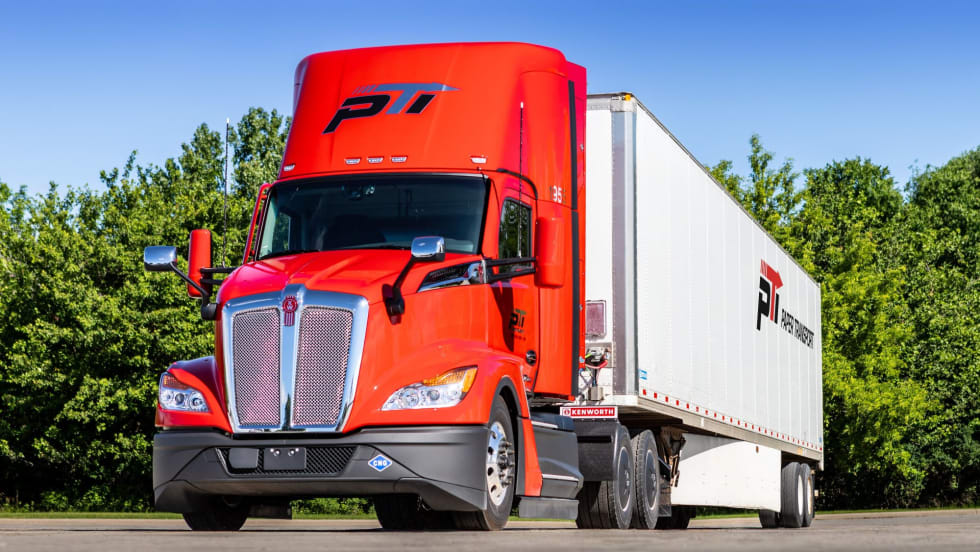
Lessons Learned About Alternative Fuels: Start Small, Stay Flexible
Practical advice on adopting alternative fuels and ZEVs from HDT's 2026 Top Green Fleets, from renewable diesel and natural gas to electric trucks.
Read More →
Kempower Adds Flex EV Charger to Help Support Transition to Megawatt Charging
The Kempower Mega Satellite Flex has both a CCS and MCS connector, allowing operators to serve both types of heavy-duty vehicles.
Read More →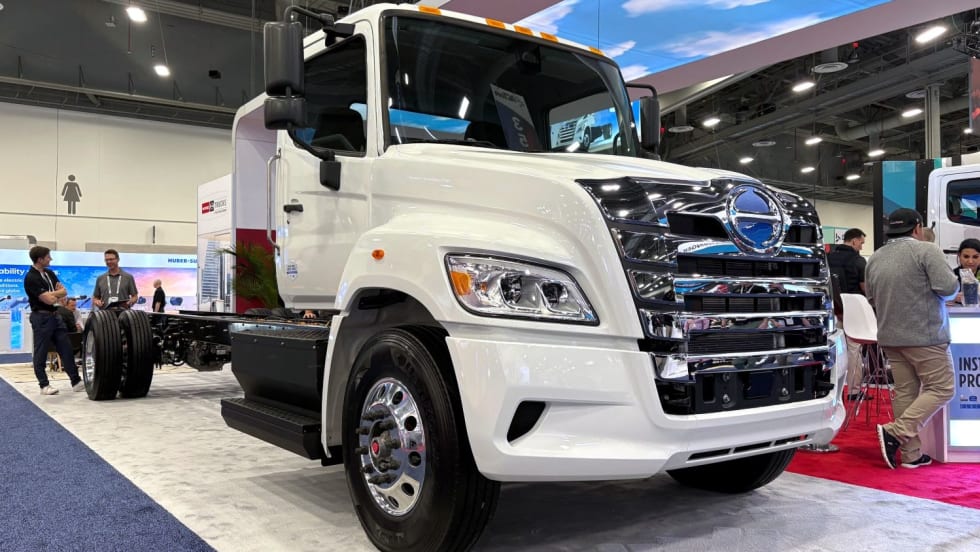
Hino Adds Electric Class 6/7 Truck
Hino says the Le Series is an important step in the company's efforts to reduce environmental impact and support its customers’ sustainability goals.
Read More →
Can Multi-Speed EV Transmissions Solve Heavy Trucking’s Biggest Electric-Vehicle Problems?
A startup called Sigma Powertrain believes purpose-built multi-speed gearboxes can boost efficiency, reduce battery size and improve gradeability for heavy-duty battery-electric trucks.
Read More →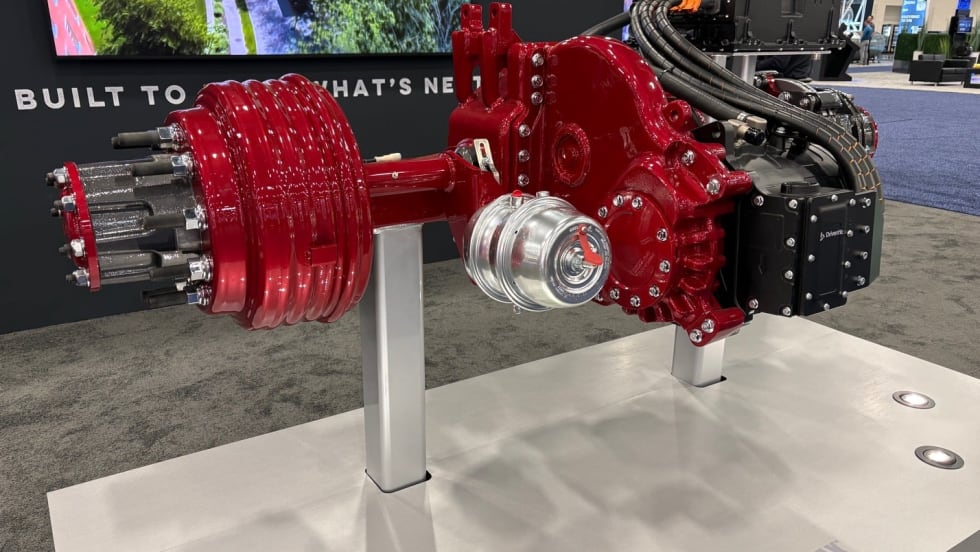
Hendrickson Debuts Electraax E-Axle for Medium-Duty Trucks
Developed with Driventic, Hendrickson's new integrated e-axle is designed to improve efficiency, reduce weight, and extend range in Class 6-7 EV applications.
Read More →
50 Ways Fleets Can Cut Fuel Costs Now — Without Buying New Trucks
Fuel savings don’t come from one big change. They come from dozens of small ones. Here’s how leading fleets are stacking gains across drivers, routing, maintenance, and more.
Read More →
Top Green Fleets 2026: How Fleets Are Reducing Emissions in the Real World
What works in sustainable trucking today? Heavy Duty Trucking's Top Green Fleets are finding practical ways to cut fuel use, reduce emissions, and keep freight moving.
Read More →
California Launching $1 Billion Electric Truck Rebate Program
CARB says the California Clean Fuel Reward program will begin offering point-of-sale rebates of up to $120,000 for electric commercial trucks starting June 26.
Read More →
Mack Unveils EPA 2027-Compliant MP13 Engine With More Power, Better Fuel Economy
Along with unveiling its EPA 2027-compliant MP13 engine, Mack outlined powertrain changes across its Class 6-8 lineup, including new Cummins-based X10 engines.
Read More →
How Volvo’s New D13 Engine Meets EPA 2027 Emissions Without Sacrificing Power or Fuel Efficiency
Volvo says advances in combustion and aftertreatment helped its new EPA 2027 D13 engine avoid the fuel-economy penalties many once expected from tighter NOx emissions limits.
Read More →