




Schneider Completes Shift to Company-Owned Intermodal Chassis Network
Trucking giant Schneider has completed its conversion to a company-owned and managed chassis fleet after buying 15,000 intermodal container chassis over the past four years.
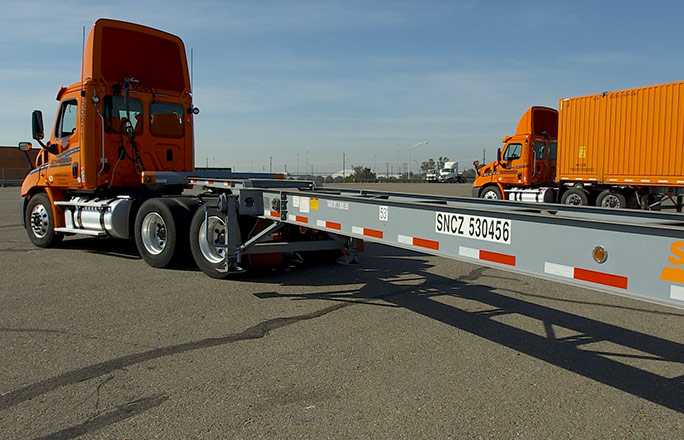
Over a four-year period, Schneider purchased 15,000 intermodal chassis. Photo: Schneider

Over a four-year period, Schneider purchased 15,000 intermodal chassis.Photo: Schneider
Trucking giant Schneider has completed its conversion to a company-owned and managed chassis fleet after buying 15,000 intermodal container chassis over the past four years.
The company began implementing the program in 2014 to assure access to lightweight, quality chassis when and where shippers and drivers needed them.
“We began investing in chassis because we realized we could deliver a better experience to our customers and dray drivers by controlling our own assets,” explained Jim Filter, senior vice president and general manager of Schneider’s Intermodal division. “The shared chassis pool that carriers often use creates significant delays for drivers, primarily at the ramp or when experiencing a breakdown on the road. When there isn’t an available chassis, the container is grounded. When one becomes available from the pool, they are often older, heavier, and fraught with mechanical problems.”
Owning a chassis fleet also means that the weight of all Schneider’s chassis are the same. This allows the shipper to know how much weight they can haul with every load. Because the demand for chassis in shared pools can outstrip supply, Schneider says, it also will have an advantage because the company has more control.
Schneider can also control the condition of its chassis fleet, because it will maintain the equipment to identify issues and make repairs before they turn into more critical problems.
“With the Schneider chassis, shippers can expect fewer delays and greater efficiency, as we’ve supplied plenty of chassis at each ramp location,” said Filter. “We even created our own technology that tracks utilization, turn time and location, so we can ensure there is the right number of chassis at every ramp and we can keep shippers’ freight moving.”
More Fleet Management
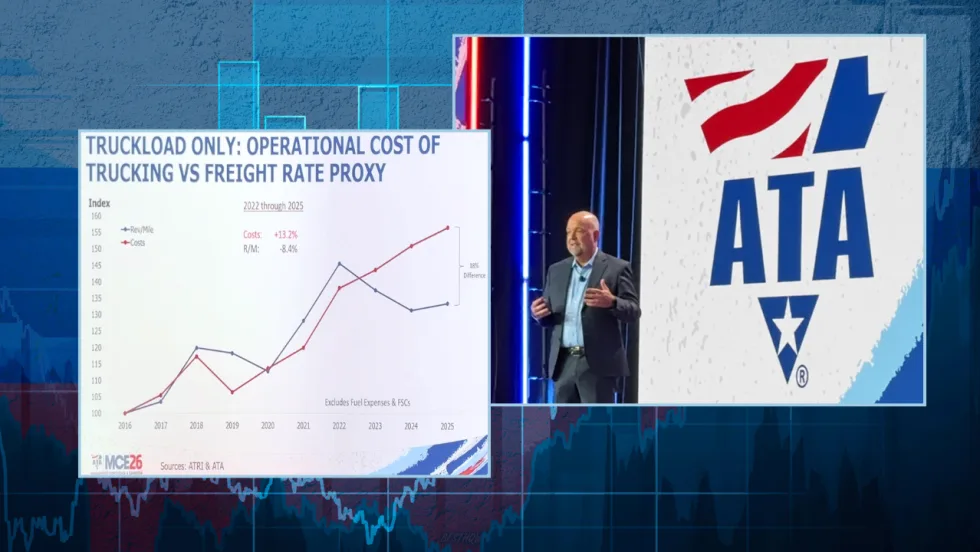
Why This Trucking Recovery Is Different
Freight demand remains sluggish, but rising costs and tougher enforcement have taken enough capacity out of the market to change the outlook for motor carriers.
Read More →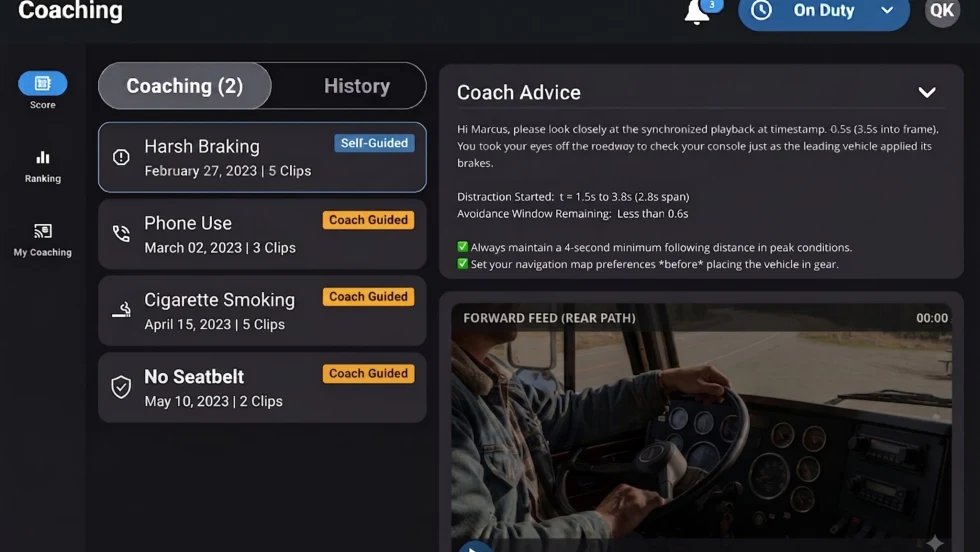
Platform Science Adds Dispatch and Safety Tools
Four additions to PS Fleet help fleets monitor loads, manage driver coaching, share truck locations and adjust video system settings.
Read More →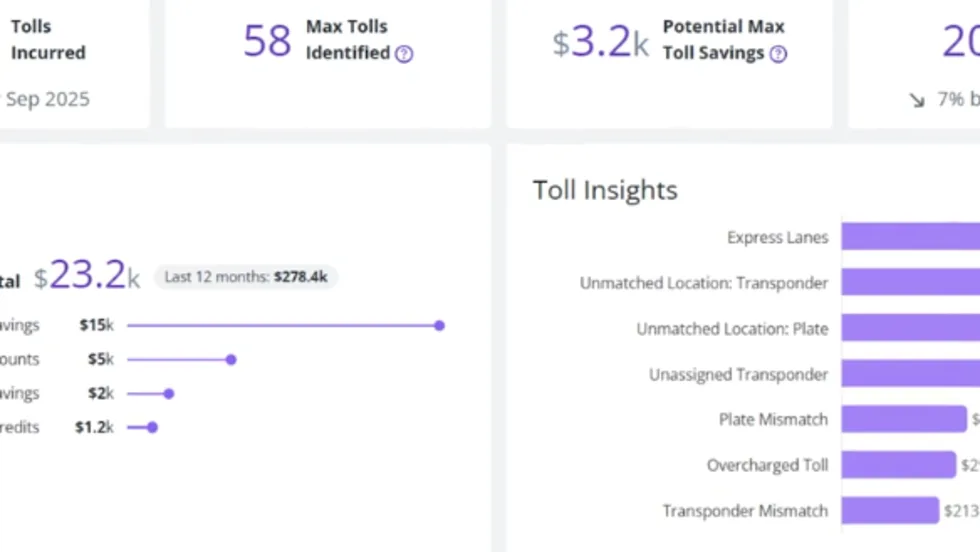
PrePass Intelligence Mines Fleet Bypass, Toll and Safety Data
PrePass Intelligence helps fleets measure bypass savings, flag potential toll overcharges, and spot suspicious transactions by combining data from separate systems.
Read More →
Motive Adds AI Agents for Fleet Operations
New tools automate follow-up on fleet data, from maintenance work orders to driver alerts, with two-way voice conversations planned for later this year.
Read More →
Can You Beat Our Trucking Trivia Challenge?
Test your truck knowledge with 19 trivia questions from Heavy Duty Trucking Exchange. Can you keep up with the fleet pros?
Read More →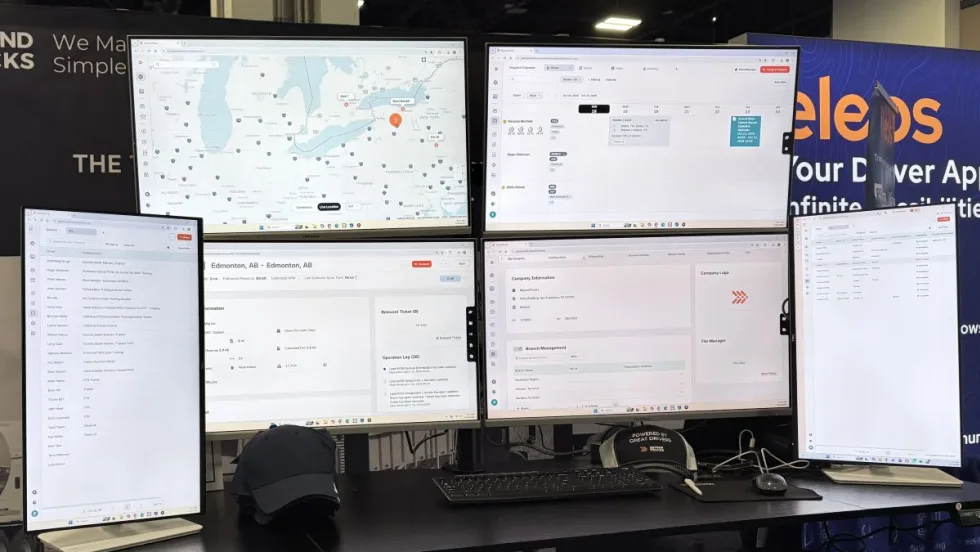
BeyondTrucks Adds Rules Checks to Dispatch
New Compatibility Engine checks driver qualifications, equipment requirements and fleet policies before loads are dispatched.
Read More →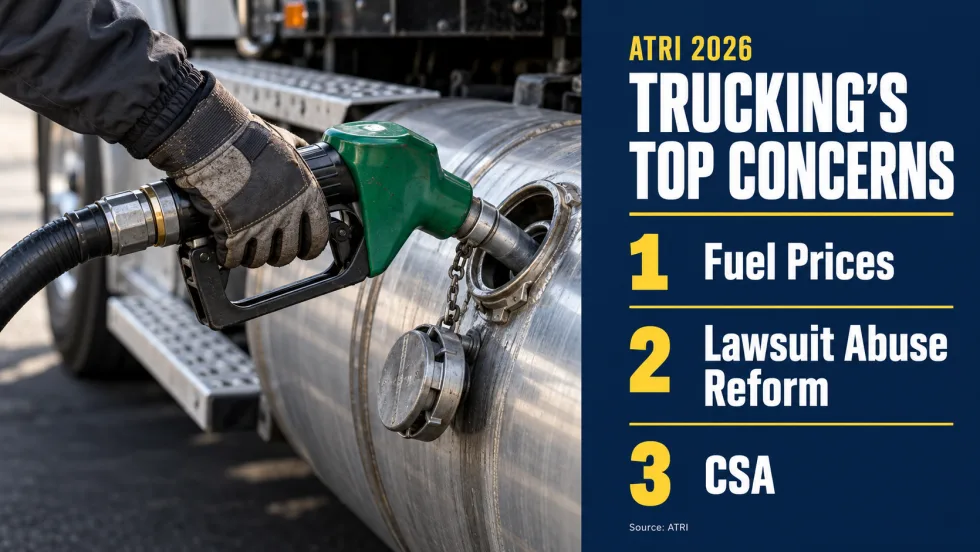
Diesel Prices Hijack Trucking’s Worry List
ATRI’s annual survey finds cautious optimism about freight, but diesel costs, litigation, and insurance continue to squeeze fleets. Drivers have different priorities on several issues.
Read More →
Nomination Deadline Extended for HDT Emerging Leaders
Just a few more days to nominate accomplished trucking fleet professionals under 40 who are making an impact and helping lead the industry forward for the HDT Emerging Leaders award. Deadline extended to October 20!
Read More →
What Will ATA’s New Leader Bring to Trucking's Table?
Incoming President and CEO Mark Colson’s record in Alabama offers clues about his priorities and approach following Chris Spear’s abrupt departure as the head of the American Trucking Associations.
Read More →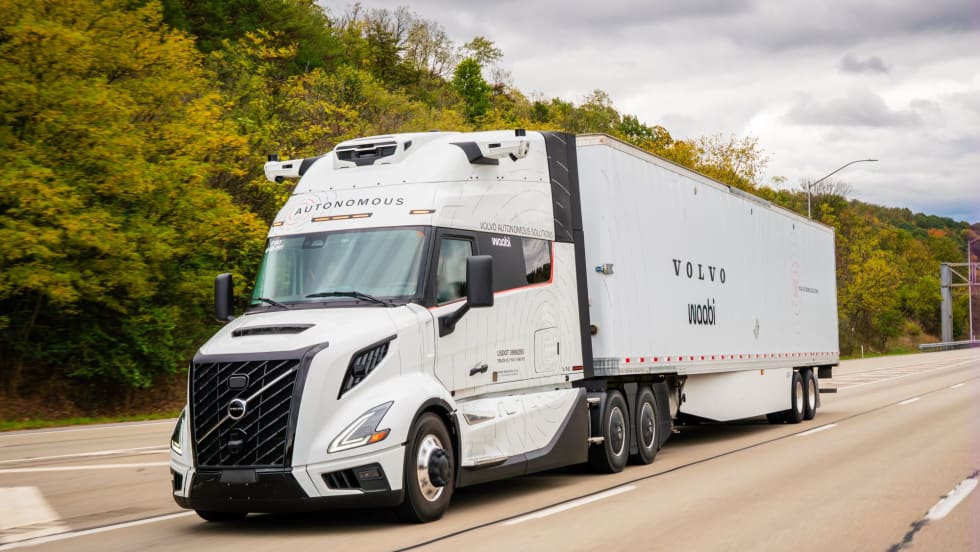
Volvo, Waabi Start Commercial Autonomous Operations in Texas
Volvo VNL Autonomous trucks, powered by the Waabi Driver, are hauling freight directly to third-party facilities for a customer in Texas.
Read More →