




Industrial production in the U.S. rebounded from a drop at the start of the year, as consumer sentiment is the best in more than a decade – but there's a decline reported in parts of the new-home-building market.
Economic Watch: Industrial Production, Consumer Sentiment Up; New Homes Mixed
Industrial production in the U.S. rebounded from a drop at the start of the year, as consumer sentiment is the best in more than a decade – but there's a decline reported in parts of the new-home-building market.

Evan Lockridge・Former Business Contributing Editor

4 min to read
The Federal Reserve reported the total amount of output from the nation’s factories, mines and utilities rose 1.1% in February following a decline of 0.3% in January. The latest performance was better than analysts’ expectations, with the gauge posting a year-over-year gain of 4.4%.
Manufacturing production rose 1.2% in February, its largest gain since October, while the January performance was revised downward for a 0.2% decline.
Gains were recorded by every major manufacturing industry except for electrical equipment, appliances, and components, and for petroleum and coal products. The production of durables climbed 1.8%, and the measure for nondurables moved up 0.7%.
Mining output jumped 4.3%, mostly reflecting strong gains in oil and gas extraction, while the output from utilities fell 4.7%, as warmer-than-normal temperatures last month reduced the demand for heating.
At 108.2% of its 2012 average, total industrial production in February was 4.4% higher than it was a year earlier.
Capacity utilization for the industrial sector climbed 0.7 of a percentage point in February to 78.1%, its highest reading since January 2015 but still 1.7 percentage points below 1972–2017 average.
Analysts at Econoday noted manufacturing looked "very positive with strength centered in business equipment, where rising production points to rising business investment, and also construction supplies which are in demand as builders restock the housing sector. Production of vehicles also picked up, as did the selected high-tech sector which, like mining, has been an important positive for the industrial sector.”
Housing Starts Drop Due to Multi-Family Sector Plunge
In sharp contrast, housing starts in the U.S. plunged more than expected during February, posting a 7% drop from the month before, according to the Commerce Department.
This put the adjusted annual rate at 1.24 million units, down from an upwardly revised January level of 1.33 million, which was the highest level in more than a year.
The market was pushed lower for the second straight month by a drop in the volatile multi-family home sector, which fell 26.1%. Single-family home starts, the biggest share of the market, increased 2.9% from the revised January level.
The number of home-building permits issued during February, an indicator of future construction, fell 0.6% for single family homes while those for multi-family homes declined nearly 15%.
The overall pullback in home starts was not surprising following January’s strong performance, according to Katherine Judge, economist at TD Economics. She noted single-family starts posted another gain in February and permits remain elevated relative to 2017, indicating that activity should continue at a brisk pace this year.
“Barriers to activity remain, however, including a continued labor shortage in the construction industry and a lack of buildable lots,” she said. “Additionally, tax reforms that cap the state and local tax deduction and lower the mortgage interest deduction will work to shift demand to lower-priced segments of the market. That won't alter the number of housing starts; however, the value per unit under construction is expected to decrease as a result.”
Consumer Sentiment Best Since 2004
Meantime, a preliminary report also released Friday showed consumer sentiment rose in early March to its highest level since 2004 due to a new all-time record favorable assessment of current economic conditions, according the University of Michigan Survey of Consumers.
All of the gain in the Sentiment Index was among households with incomes in the bottom third. In contrast, the economic assessments of those with incomes in the top third posted a significant monthly decline. The decline among upper income consumers was focused on the outlook for the economy and their personal finances.
Consumers continued to adjust their expectations in reaction to new economic policies, said Richard Curtin, the survey’s chief economist.
"In early March, favorable mentions of the tax reform legislation were offset by unfavorable references to the tariffs on steel and aluminum. Each was spontaneously cited by one-in-five consumers,” he said. “Importantly, near-term inflation expectations jumped to their highest level in several years, and interest rates were expected to increase by the largest proportion since 2004."
Curtin said these trends have prompted consumers to more favorably cite buying as well as borrowing in advance of those expected increases.
“While income gains are still anticipated, the March survey found that the size of the expected income increase returned to the lows recorded in the past year,” Curtin said. “Among the top-third income households, income expectations fell more and inflation expectations rose more, as these households account for more than half of all consumption expenditures. The data suggest that the relative lull in consumption in the first quarter may persist for another quarter.”
More Fleet Management
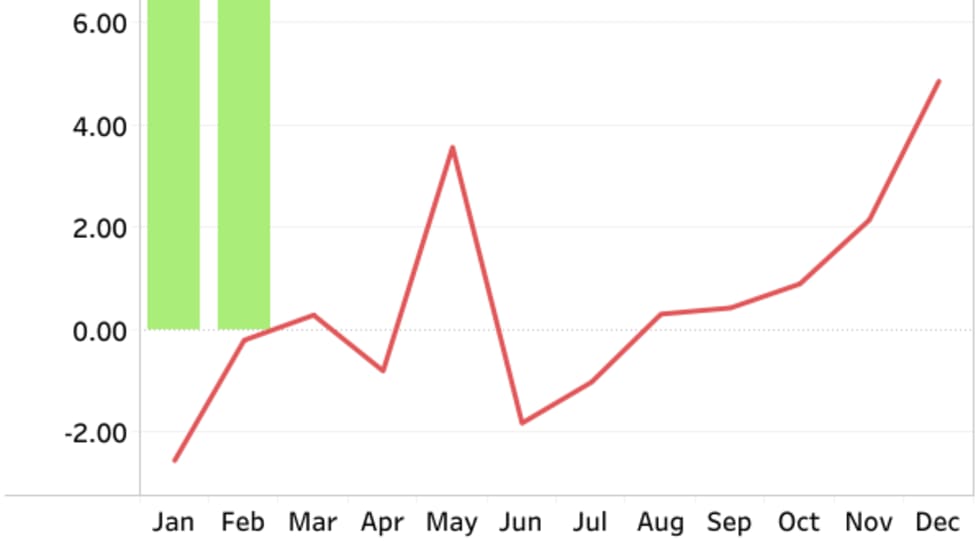
FTR Trucking Conditions Index Hits Four-Year High in February
Strong freight rates push TCI to 10.2, but FTR expects fuel-price volatility to skew March results.
Read More →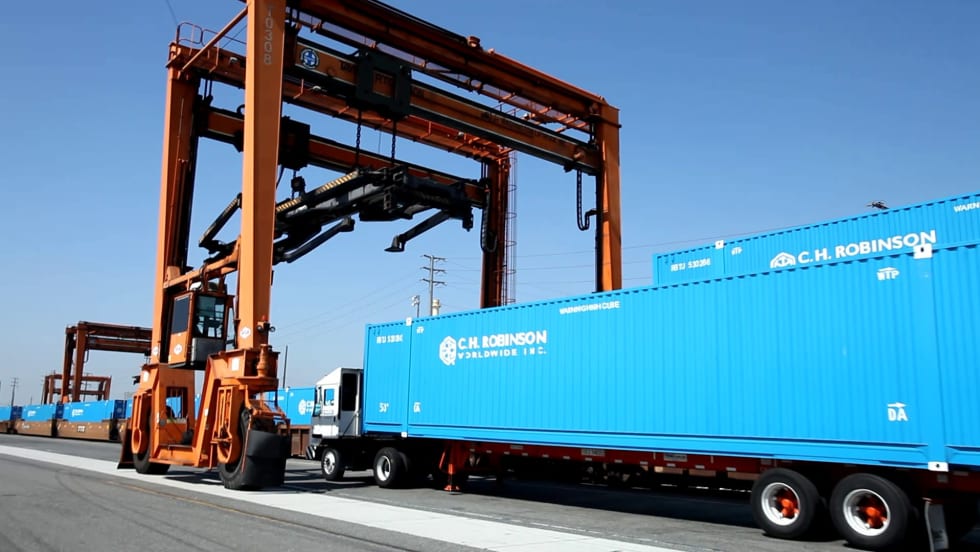
C.H. Robinson Offers Carriers Relief as Diesel Prices Surge
C.H. Robinson is waiving fees on fuel cards and cash advances for April and May, aiming to help carriers offset rising diesel costs tied to geopolitical instability.
Read More →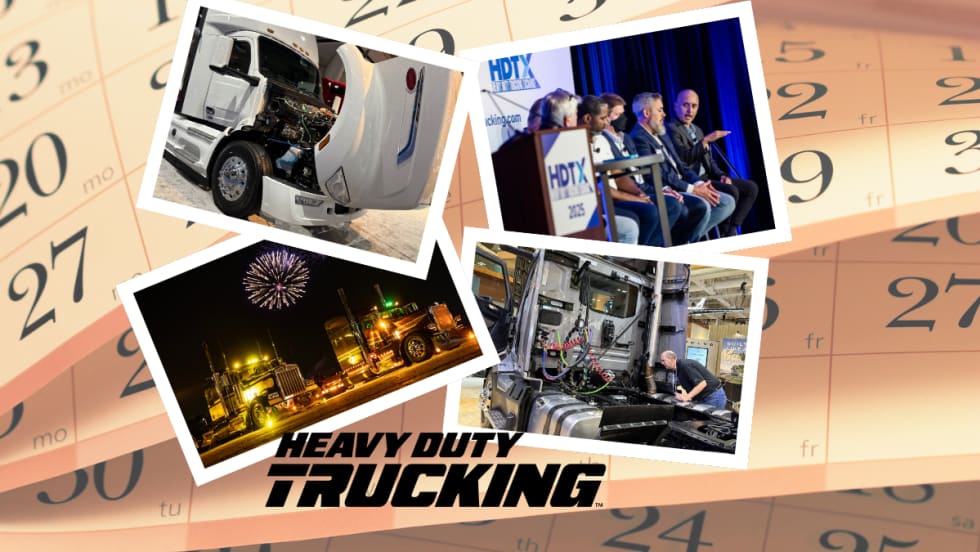
What Trucking Events are Happening in 2026?
Looking for trucking-related conventions, expos, and other events? Heavy Duty Trucking has developed this list of national and larger regional trucking shows and events.
Read More →
Volvo’s Quiet Confidence Turns into a Full-Throated Bet on the Future
After years of steady, methodical progress, Peter Voorhoeve says the OEM’s latest lineup isn’t just evolutionary. It’s delivering real, measurable gains for fleets right now.
Read More →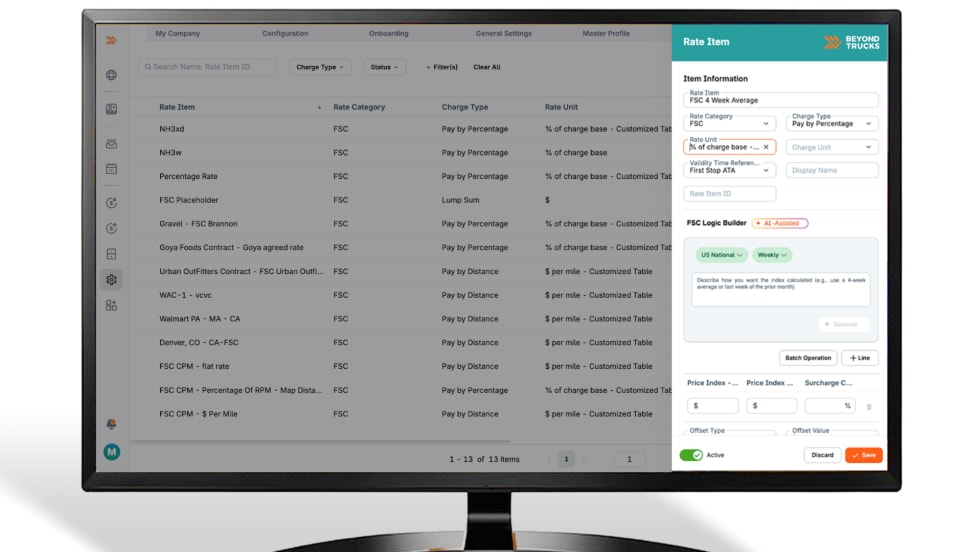
BeyondTrucks Targets Rate Complexity with New AI RateAgents
BeyondTrucks says its new RateAgents can turn plain-language rate logic into working code, starting with fuel surcharges — a critical but notoriously complex piece of carrier revenue.
Read More →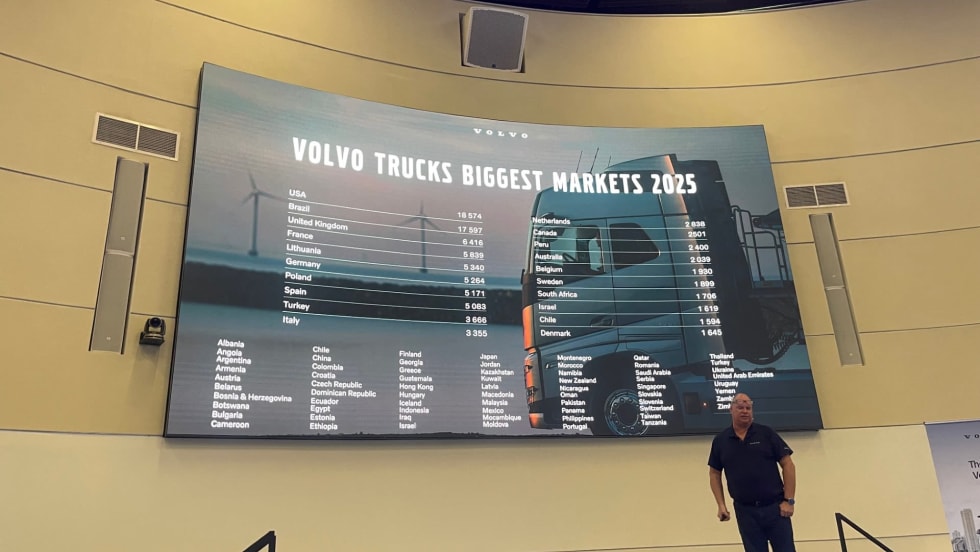
Volvo Sees Market ‘Tipping Point’ as New VNL Orders Surge
Soft freight conditions persist, but aging fleets, strong order intake, and new-product momentum signal a more optimistic second half of 2026, Volvo Trucks North America says.
Read More →
Cargo Theft’s New Playbook: Strategic Fraud, Double Brokering, and Cybercrime Hit Trucking
Cargo theft is evolving from regional smash-and-grab operations to sophisticated fraud schemes. Strategic theft now accounts for roughly a third of cargo crime, with incidents rising sharply in recent years. Here’s how the schemes work — and what fleets can do to protect themselves.
Read More →
HDT Honors the Best New Products of 2025 at TMC [Photos]
Heavy Duty Trucking's Top 20 Products awards recognize the best new products and technologies. Check out the award presentations at the 2026 Technology & Maintenance Council annual meeting.
Read More →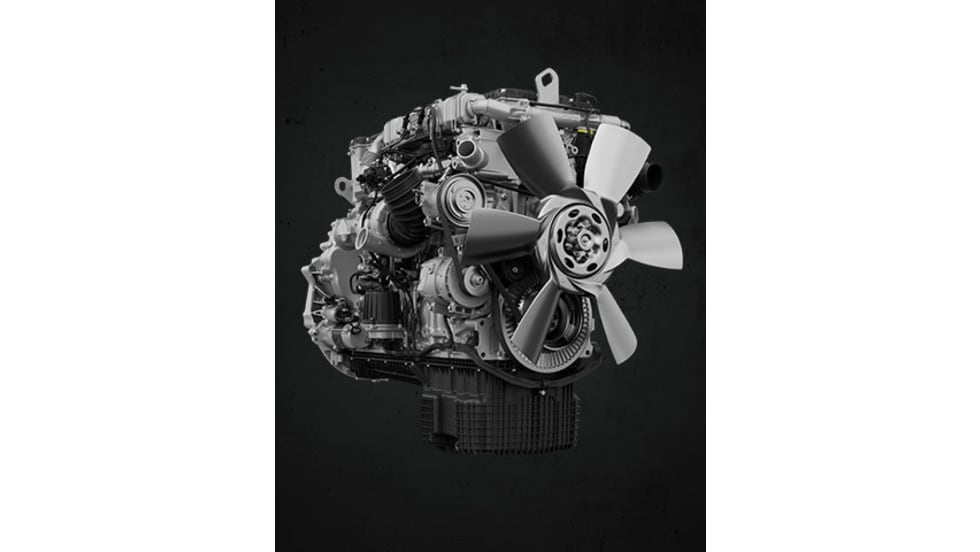
Sponsored•March 31, 2026
Detroit Engines: Trusted Performance, Built for What's Next
The Detroit® Gen 6 engine platform proves that real progress doesn’t require a complete redesign. Built on 20 years of trusted technology, these engines are designed for efficiency, stronger performance, and greater reliability than before. And they do it all while complying with 2027 EPA standards on every mile.
Read More →
Q&A: What's Real in Advanced Truck Tech? ACT Expo's Erik Neandross Weighs In
The 2026 ACT Expo is focusing heavily on what organizer Erik Neandross calls trucking's digital frontier. This interview excerpt dives into artificial intelligence, zero-emission vehicles, and tips to make sense of it all.
Read More →